
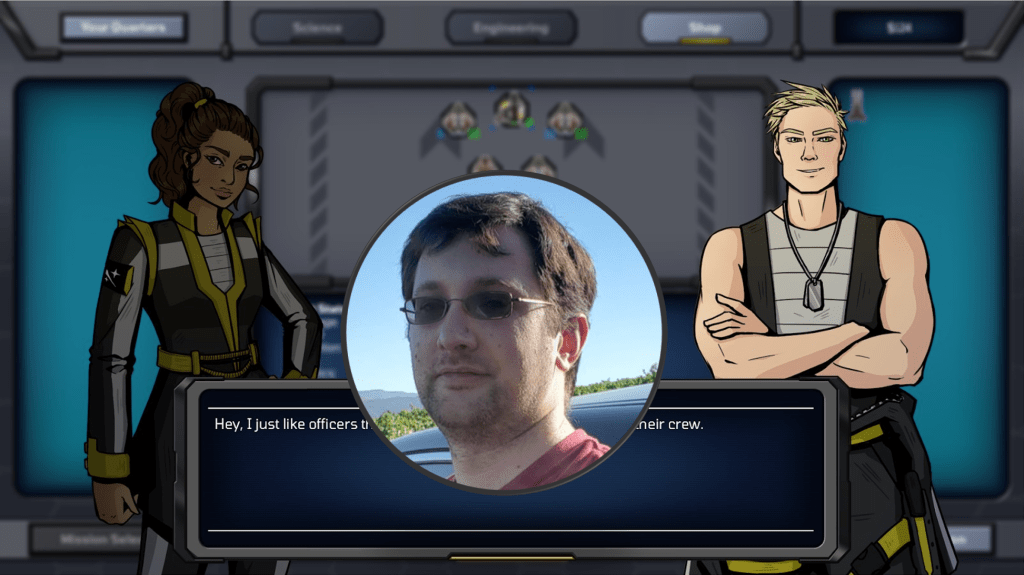
It isn’t every day that a developer walks away from the towering monoliths of the gaming industry to start from scratch. After a career spent navigating the sprawling, high-stakes trenches of AAA studios like EA, Blizzard, and Tencent, Daniel Baumann decided it was time for a change of scenery. Enter Respite Games, a newly minted indie studio founded by Baumann and his wife, and their debut title: Station Command.

From AAA Burnout to Indie Respite
At first glance, Station Command is a deep, sci-fi autobattler driven by intricate fleet customization. But look a little closer, and it’s an incredibly personal project born out of a desire to rediscover the simple joy of game creation. I sat down with Baumann to discuss the transition from AAA to indie, the unique mechanics driving his new game, and the brutal realities of game development.

I started by asking him about the leap from industry giants to his own indie studio, and how that profound shift shaped the core vision for Station Command.
“Originally, my wife and I (she’s our main artist) made the first version of what would become Station Command as a way for me to really reconnect with why I got into games in the first place,” Baumann explained, leaning into a philosophy that feels increasingly rare in the modern industry. “Those couple of months of pure creation away from the complexities of huge AAA projects were extremely healing for me, and it was a pretty obvious decision for us to continue the project seriously. We named the studio Respite Games to reflect both this origin and our ultimate ambition to be a place that focuses on our developers, players, and sustainability instead of trying to maximize profits and growth. I think you’ll see that inspiration throughout the game in a lot of ways.”
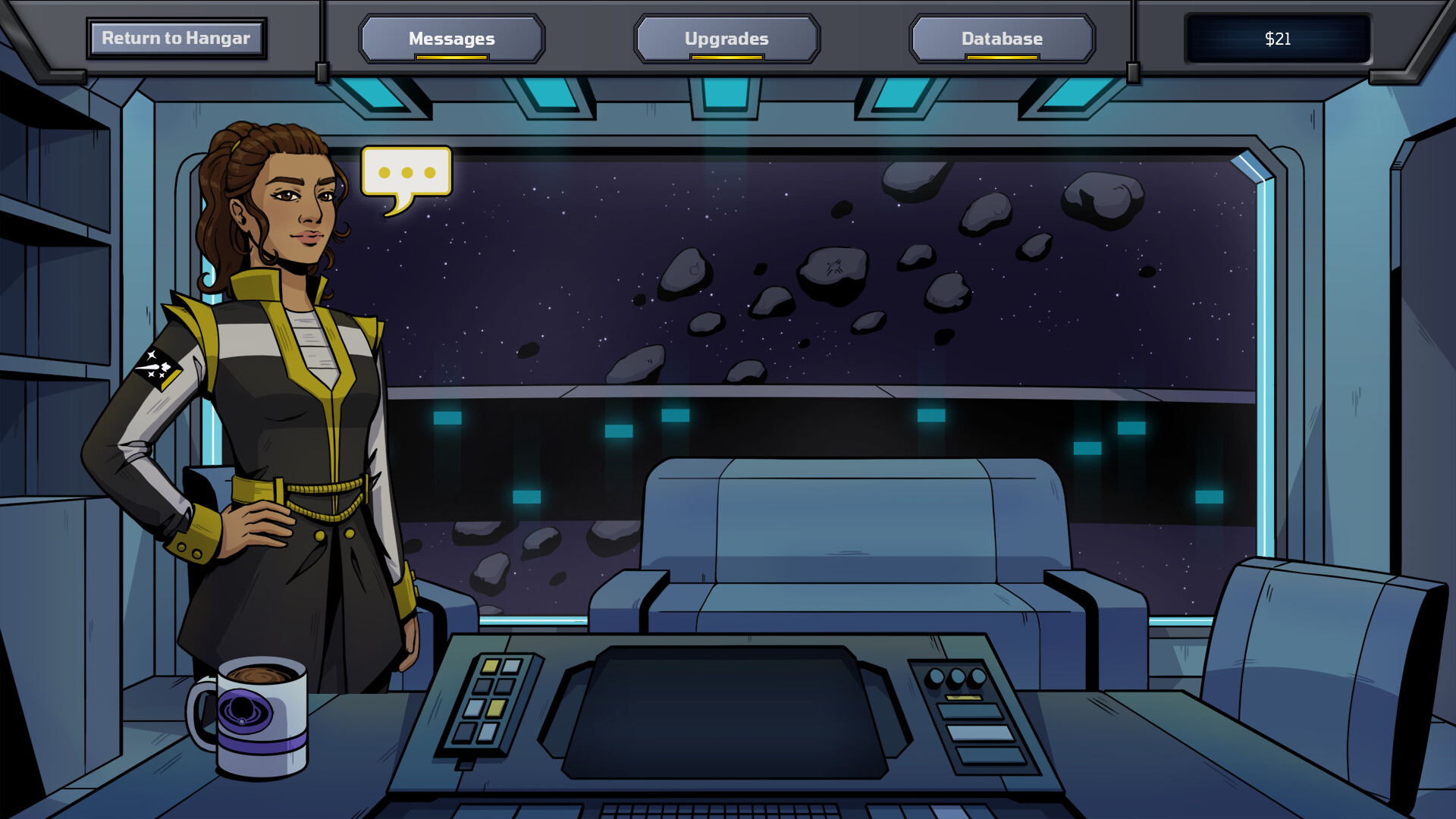
Prioritizing developer health and creative sustainability over endless growth is the foundation of Respite Games. But translating a healthy development philosophy into an engaging, balanced gameplay loop is a separate challenge entirely.
Station Command asks players to build and heavily customize their fleets, then step back and watch the carnage unfold in an autobattler format. I was curious about the friction between those two ideas—how do you balance deep, player-driven choices with a hands-off combat system? Baumann admitted that finding the right pacing was their biggest hurdle.
“The most difficult thing has been balancing the tension of the game,” he told me. “We have repeatable missions called patrol missions that let the player go get some extra resources and maybe find some rare equipment if they need to. The problem we quickly encountered with playtests is people will grind those same simple missions over and over again until they’re far too powerful for the actual missions to be any interesting. Not to mention the tedium of doing the same simple encounter so many times. We’re a single player game so it’s fine if the player is powerful, but it should be something that is earned from a story choice or clever combo, not from a mindless grind.”
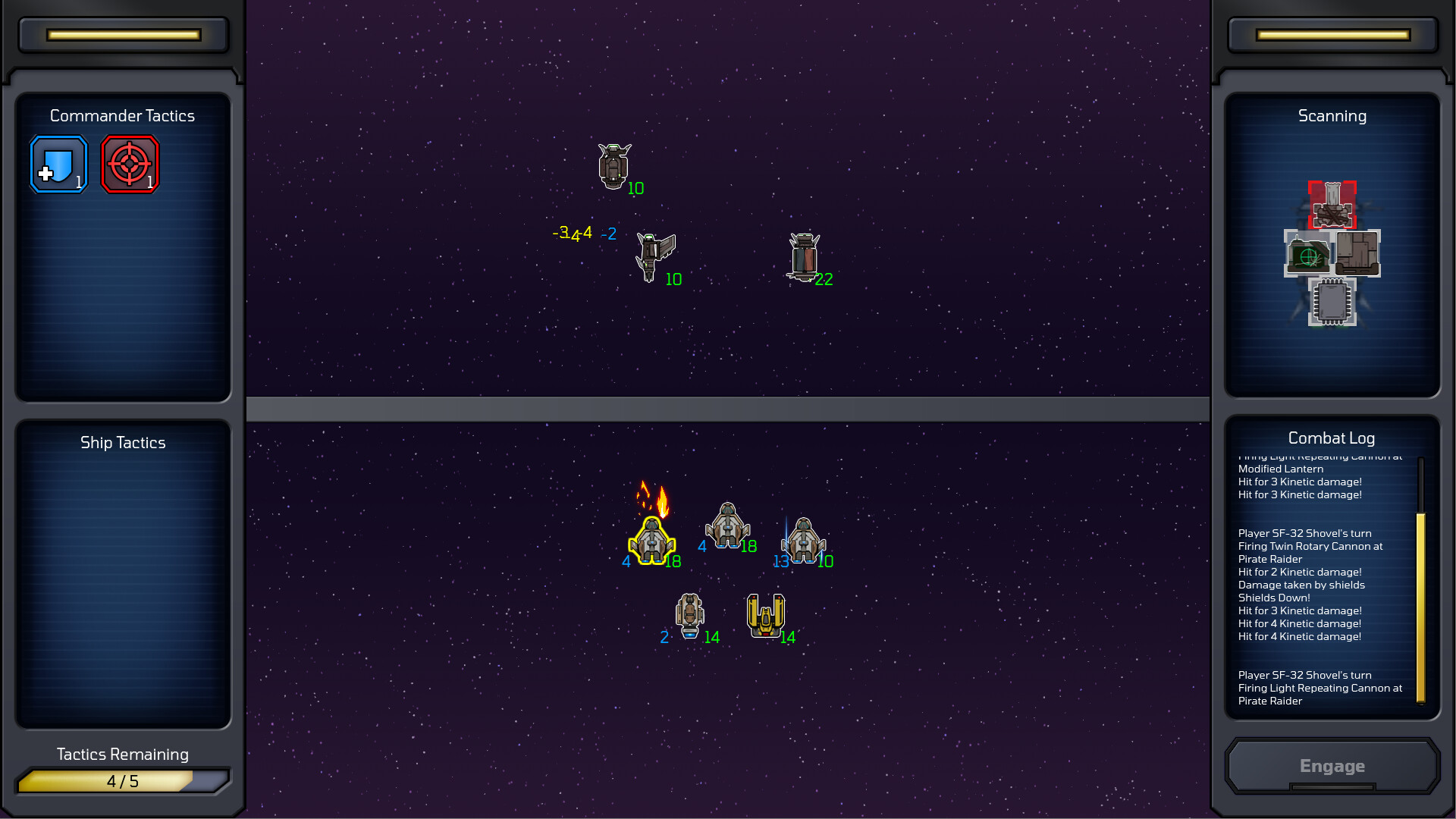
To fix this, the team implemented a brilliant, thematic guardrail.
“To combat this, we added the performance review system that requires you progress at a decent pace or you’ll be fired. It’s a great solution because not only is it very thematic, it let us integrate a lot of other mechanics into it. Certain story choices can raise or lower your performance score. Upgrades take time to implement and push you closer to your review, so you have to balance them against progress. It’s also where we hide our higher difficulty options with very high scores raising the expectations of your bosses, but you’ll of course get a nice plaque for your office if you do it enough.”
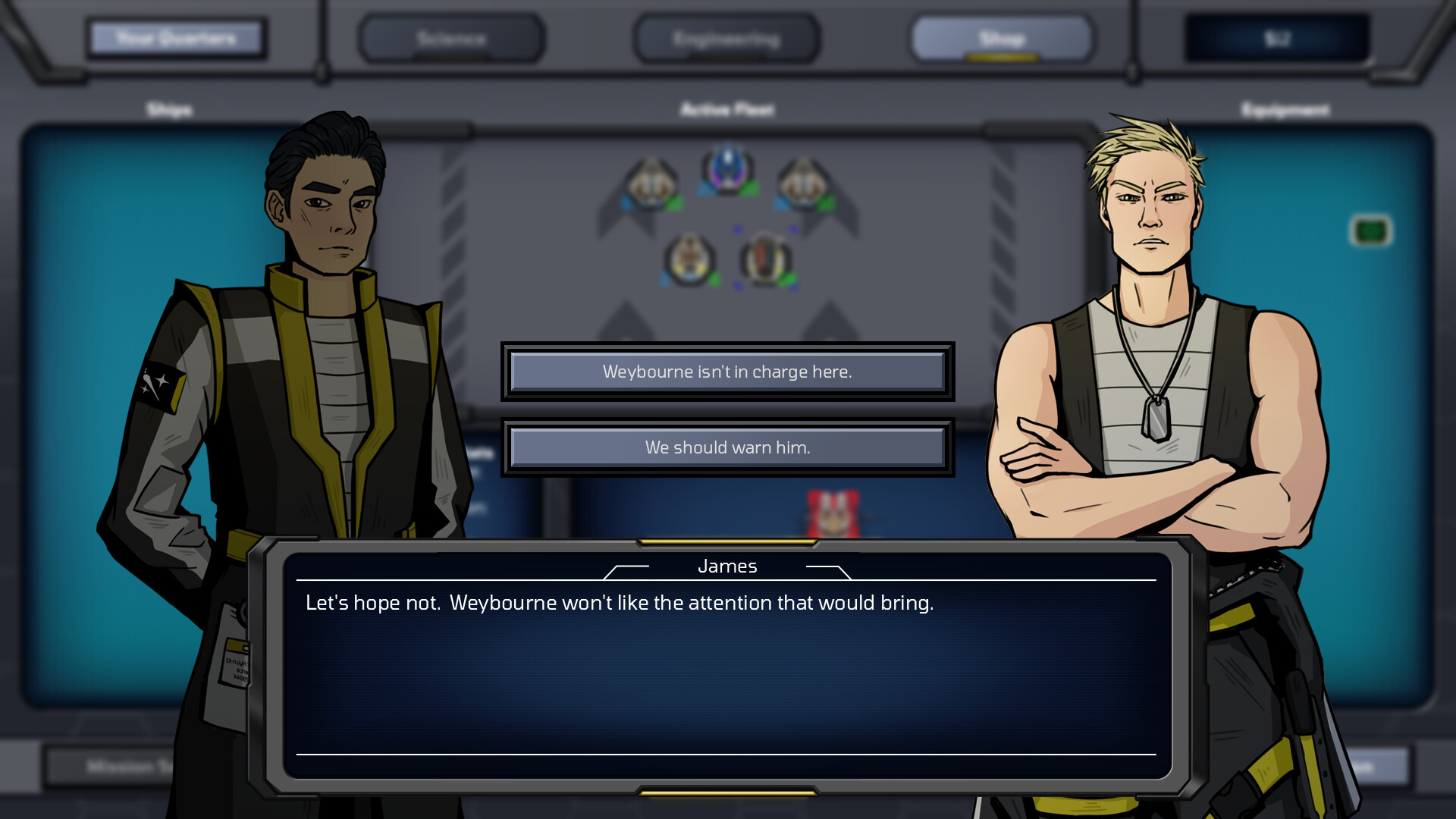
Using a thematic “performance review” mechanic to seamlessly discourage grinding and integrate difficulty scaling is the kind of design elegance that often escapes larger studios. It perfectly complements another one of the game’s core pillars: its ruthless, risk-reward salvaging system.
In Station Command, defeating an enemy is only half the battle; the real prize is stripping their ruined ships for tech. I asked Baumann to elaborate on how this system encourages players to make tough loadout decisions.
“Everything your opponents have is lootable after battle, even the ship hulls themselves,” Baumann noted. “Each item has a salvage cost though, so if you want to bring back the best loot, you’ll need to bring enough salvage gear to pay those costs. Each piece of salvage gear is an equipment slot that isn’t being used for armor, speed, targeting computers, etc. It’s a very fun and easy to grasp problem of, ‘How much of my fleet’s equipment can I risk on getting more salvage without losing?’” He then added with a grin, “Oh, and everything you lose in combat yourself also has to be salvaged or it’s gone forever.”
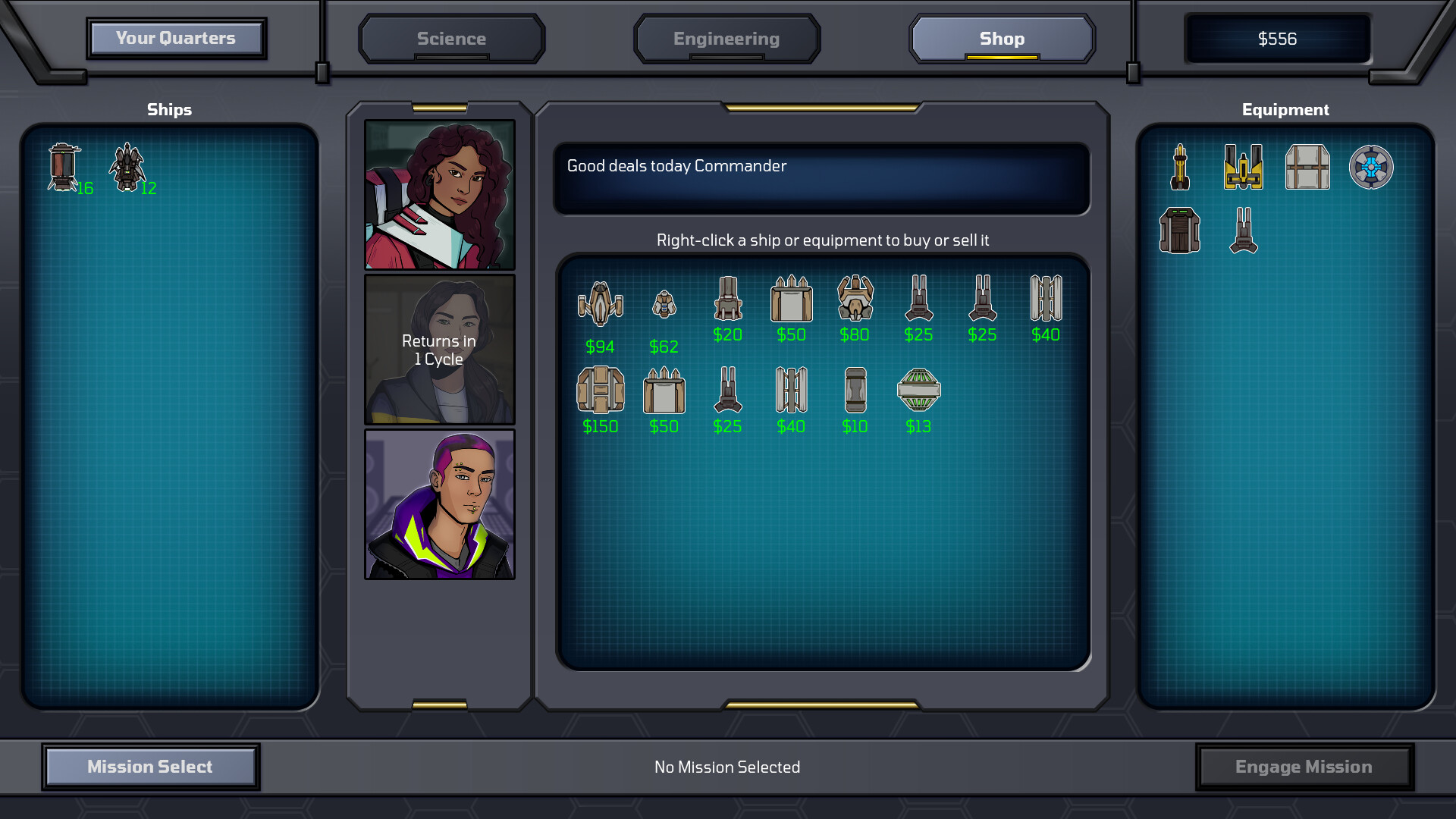
Forcing players to sacrifice combat stats for salvage capacity creates an agonizing, highly rewarding tactical layer. With so many moving parts and potential synergies, I couldn’t resist asking the creator himself what his personal favorite ship build or weapon combo was.
“For the demo my favorite is probably the reward ship you can get for engaging in some good old corporate corruption,” he revealed. “With a fast reactor, a shield damage VI, and some well used tactics, that thing can make the final mission a breeze.”
But getting Station Command to its current state meant making tough calls. Even indie studios without a board of directors breathing down their necks have to kill their darlings. I asked Baumann if there was a feature he desperately wanted to include but ultimately had to leave on the cutting room floor.
“I really wanted to have pilots you could add to ships,” he confessed. “The initial plan was to have them gain experience and level but would die if their ship was destroyed. On paper it sounded like a fun way to give the player some powerful tools that were always at risk. In practice it was going to be way too expensive to implement well and added a stress factor that didn’t fit with the rest of the game.”
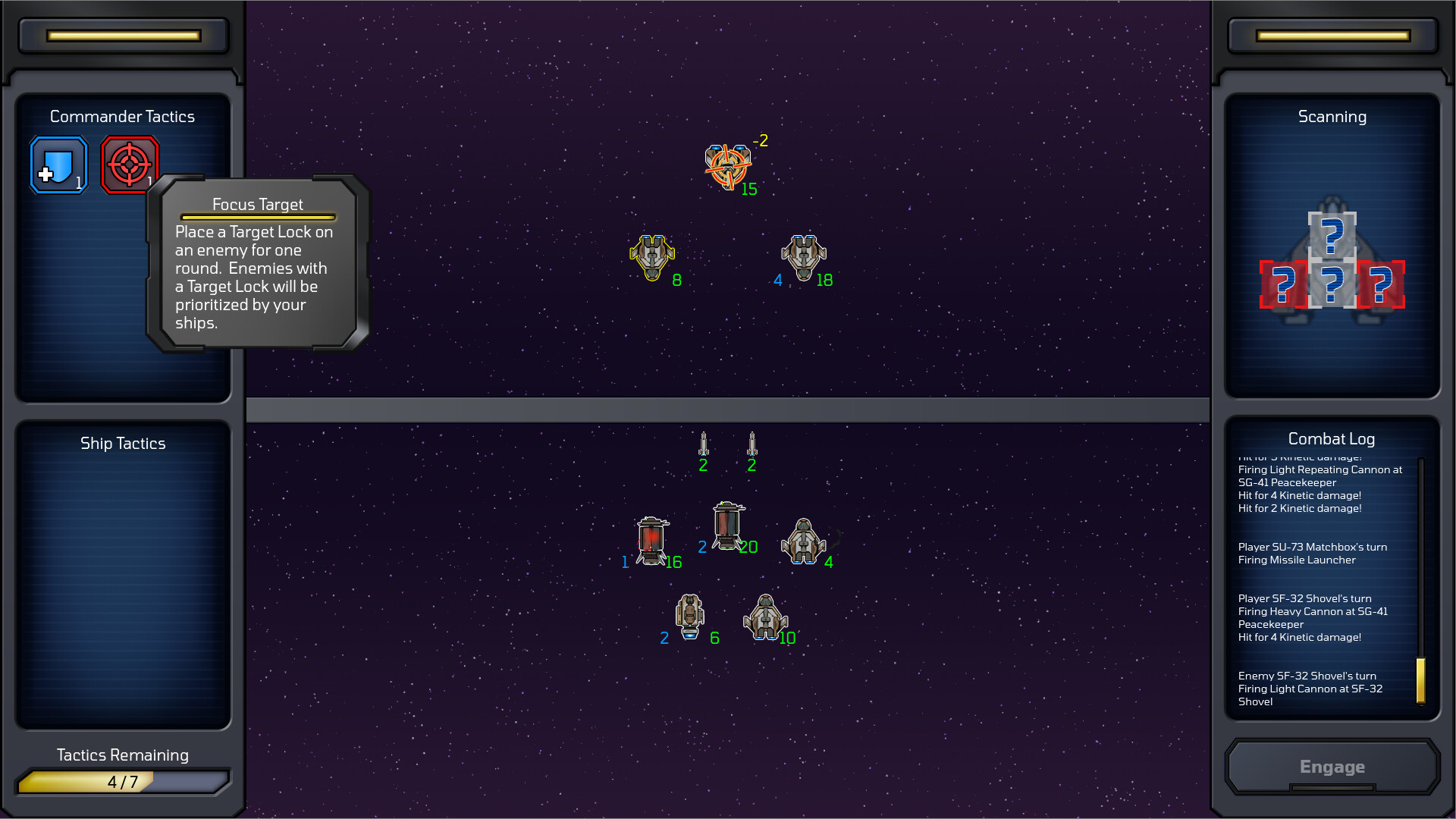
Now, with the demo live on Steam, the theoretical design phases are over. The game is in the hands of the public. I asked him what he’s most eager to see players interact with, and how their feedback will shape the journey to version 1.0.
“I’m mainly eager to see which of the elements people latch on to as opposed to hoping for any specific one,” Baumann said. “Getting that feedback from players will really help us make sure those aspects are as best they can be while we try to improve/rework/cut the parts players aren’t connecting with. There’s a lot more things we’re planning to have in the full game (science, engineering, investigations) so this early feedback will be critical to make sure those systems are going in the right direction.”
As our conversation wound down, I asked Baumann to reflect on his unique vantage point. Having seen the highest peaks of AAA development and the scrappy trenches of indie creation, what is the most crucial piece of advice he could offer an aspiring developer starting a studio today? His response was a masterclass in pragmatic game design.
“The same pieces of advice I’d give any AAA studio:
- Scope is everything. Figure out early what you realistically can do and then target less than that. You will never be able to predict a game’s development cycle, and it’s much better to have spare time to polish and add content than to be staring down months of crunch and cuts.
- Have a real reason for making your game. So many projects fail or are forgotten because they’re just copies of something else. Understand what your game is, and why your studio is the only place that could make it. It doesn’t have to be deep or meaningful, but it does have to be yours.
- Playtest constantly. The moment you have something playable, find people to play it and listen to what they say. The best advice I ever got in my career was if someone tells you there is a bug, then there’s a bug. It might not be what they say it is, but something is wrong and you need to understand what.”
Scoping aggressively, discovering a game’s unique identity, and trusting player friction are lessons Baumann learned the hard way. Now, they are the driving forces behind Respite Games. If Station Command is any indication, the industry could use a little more respite.
(The Station Command demo is currently available on Steam. I recommend you check it out and tell me your opinion down in the comments section.)
 Dev & Play Media
Leave a comment