
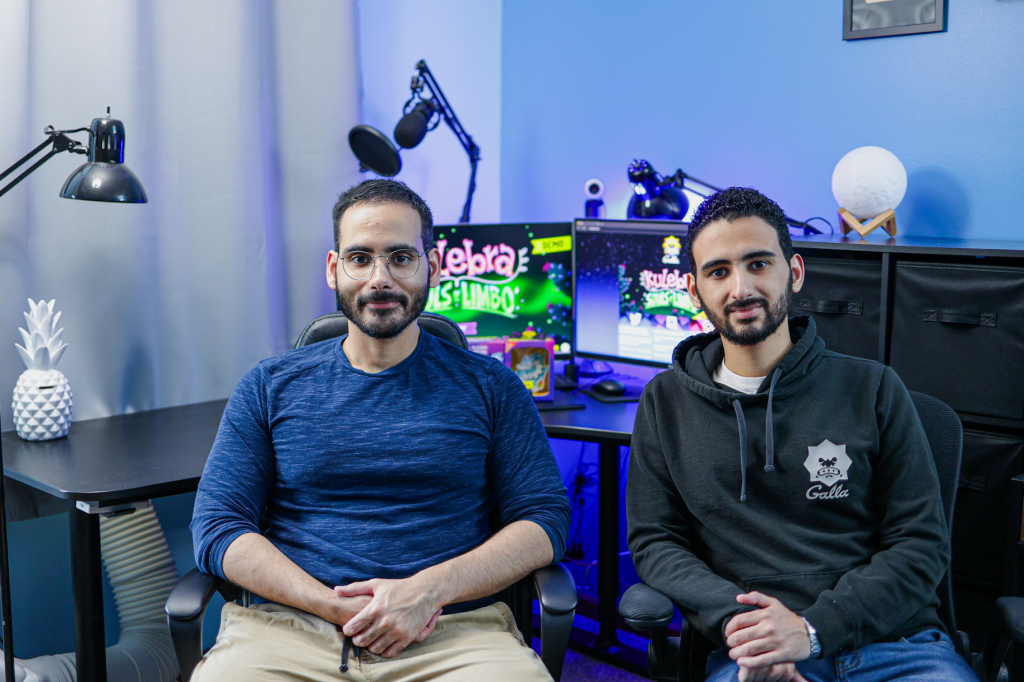
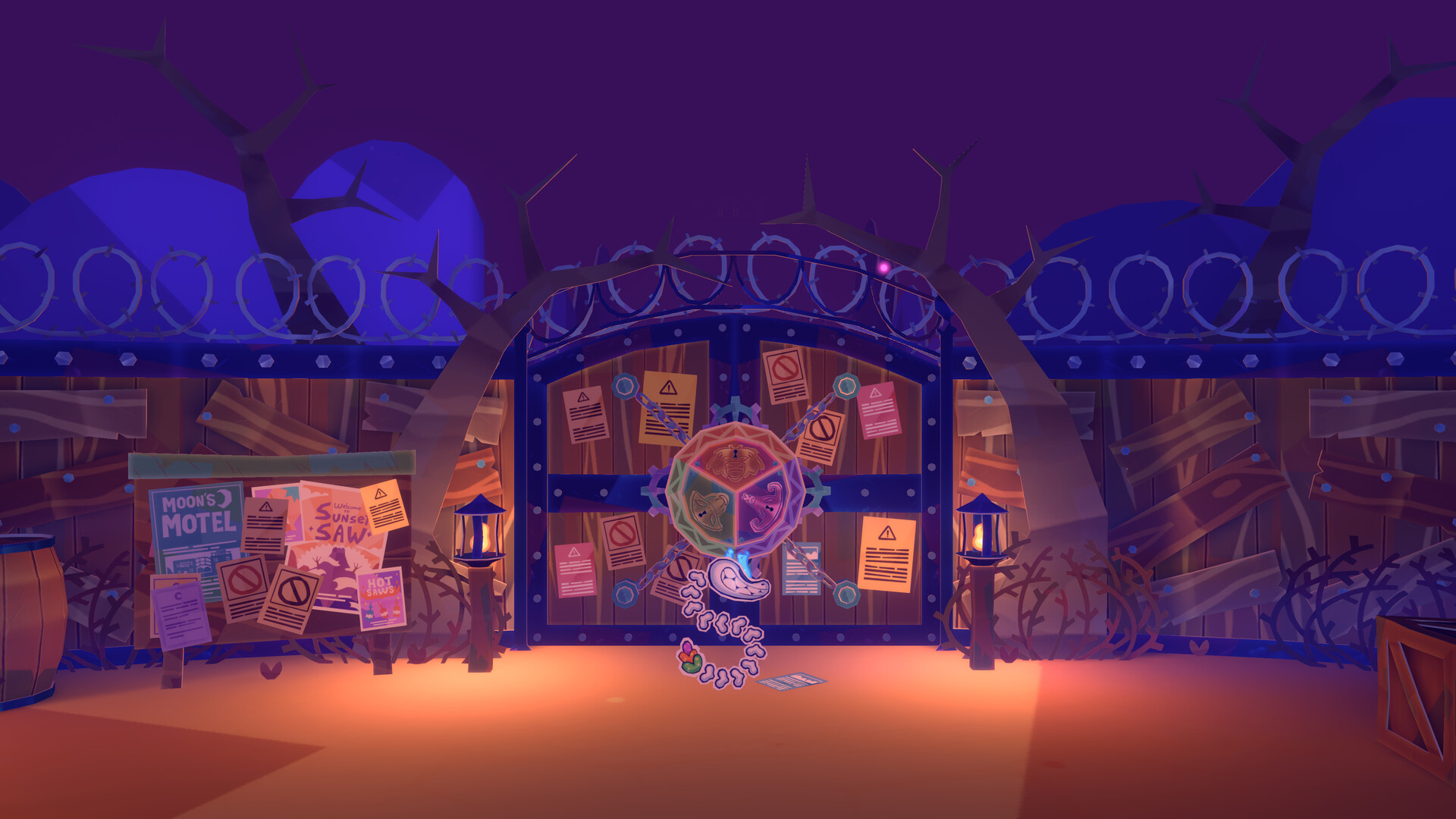
We are always fascinated by the incredible journey developers undertake when bringing an imaginative world to life. Recently, we had the pleasure of sitting down with Galla, the brilliant independent studio formed by Dominican brothers Paulo and Pavel Lara. Their acclaimed papercraft adventure, Kulebra and the Souls of Limbo, has been capturing hearts since its release, blending puzzle-solving, time-loops, and emotional resonance in a Latin American-inspired underworld.

We wanted to dig into the technical and creative processes behind this unique title. We started by asking them about the striking aesthetic and roots of the game.
Kulebra and the Souls of Limbo explores a vibrant, Latin American flavored afterlife. What was the inspiration behind this unique setting and how did you approach bringing this cultural flavor to life in the game’s art, music, and narrative? How has your background and shared vision influenced the development of Kulebra and the Souls of Limbo?
“This is a tale we always enjoy sharing,” the brothers explained. “Originally the theme of Day of the Dead came from a software limitation, back when Kulebra was a mobile game(Culebra, released in 2015).
A game in the mobile genre of ‘endless runners’. It was about zigzagging through obstacles to gather as many points as you could. So naturally, we picked a snake for the main character. But we faced software limitations regarding the fluidity of the character’s tail, since we couldn’t program a full fluid tail that would respond to the command of the player, much less make it visually appealing with the solutions we found.
So we decided to shop the tail into separate pieces, and find a justification on the art side of things. With us arriving at the idea of a skeletal snake, and the whole theme of the Day of the Dead to justify its existence.
The project wasn’t a success, but we grew fond of the characters from the world of Limbo we created. So organically we implemented them back into our next project, focusing on a richer story and the charm these characters had. After all, we grew pretty fond of them.
So yes, it was a pretty organic process, the pieces were falling in place as the project evolved.”
It is always fascinating to hear how technical roadblocks can spawn brilliant creative pivots. Moving from a bite-sized mobile title to a sweeping, multidimensional PC and console release is no small feat. We asked how their past experiences shaped this massive leap.
This is your second project, evolving from a mobile endless runner. What key lessons did you learn from your first game that significantly impacted the development of Kulebra?
“Well, for starters, how important it is to keep marketing in mind! And tons of things regarding development. Although they may happen under the hood, it is a very important part of our process. And thanks to this, we’re now able to achieve so much more compared to what we could do when we started back in 2015.”
Beyond the technical engine optimizations and marketing strategies, the game strikes a very specific emotional chord. While the visuals are colorful, the subject matter is profoundly deep.
The game deals with heavy themes like loss, trauma, and the consequences of not letting go, yet the text also highlights humor and lighthearted fun. How do you balance these contrasting tones during development to create an experience that is both meaningful and enjoyable?
“This takes me back to a thought regarding the way we tend to experience life in the day to day. On how we experience life through a lens of an optimistic future, and the assumption that regardless of what the future brings, things will be ok. But within all that colorful perspective is where the grey elements of life show up.
And I think our game reflects that element of life. How the dark corners hide under the routine. And personally is what I think that makes this contrast of tones so real in the game.”
That delicate balance is arguably what makes the gameplay loop so compelling. Instead of straightforward combat, you find yourself untangling the regrets of Limbo’s residents.
The game description mentions using “wits, kindness, and maybe a good whack” to gather clues. Can you elaborate on the different types of interactions and gameplay mechanics players will use to help souls move on?
“We wanted to give the player the basic mechanics for Kulebra from the very start, especially the ones they’d use to interact with the environment puzzles. So they would always have a basis from where to start.
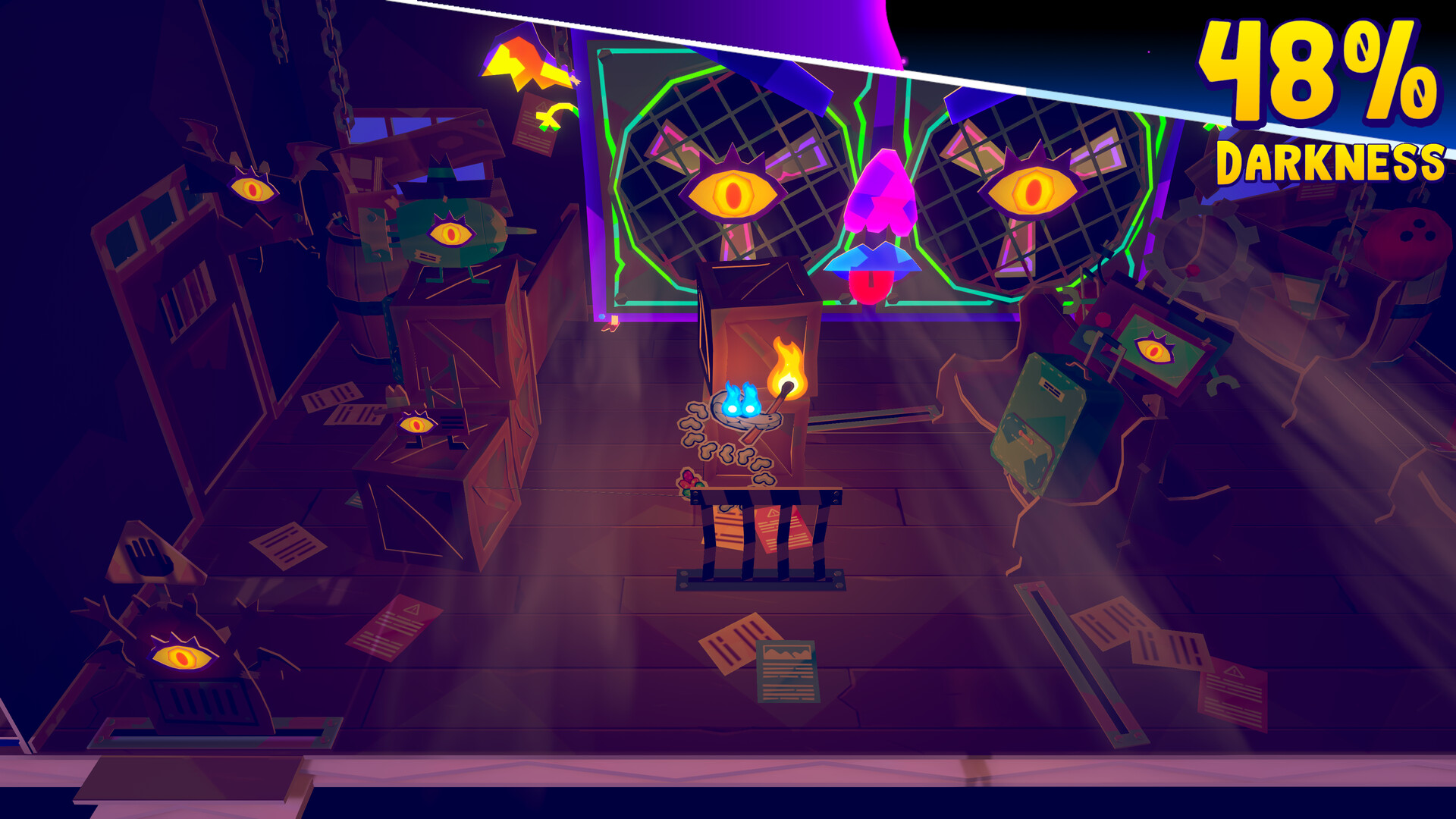
Our physical puzzles mostly rely mainly on pushing, rolling, slamming (with the same roll ability), and eavesdropping. And all these abilities part from the option of moving forward. For example, you can roll into balanced jars to drop them and collect their contents (usually pearls which work as Limbo’s currency). You can also listen to conversations to learn things you weren’t supposed to know.
And with those physical abilities we open the player to the world of detective puzzles we have around. The puzzles in the game not only rely on the player gathering information, but there’s also a very visceral element to them. So when you’re interacting with the characters, there’s a wide range of possibilities in how to proceed to them. Although simple, it helps for things to feel very natural.
Kulebra and the Souls of Limbo relies heavily on gathering information as a powerful tool to confront them against their own issues.
Kulebra not only serves as a force of logic, but also a reflection of the very souls trapped in Limbo.”
By integrating these mechanics, the developers managed to seamlessly merge a variety of playstyles into one cohesive package.
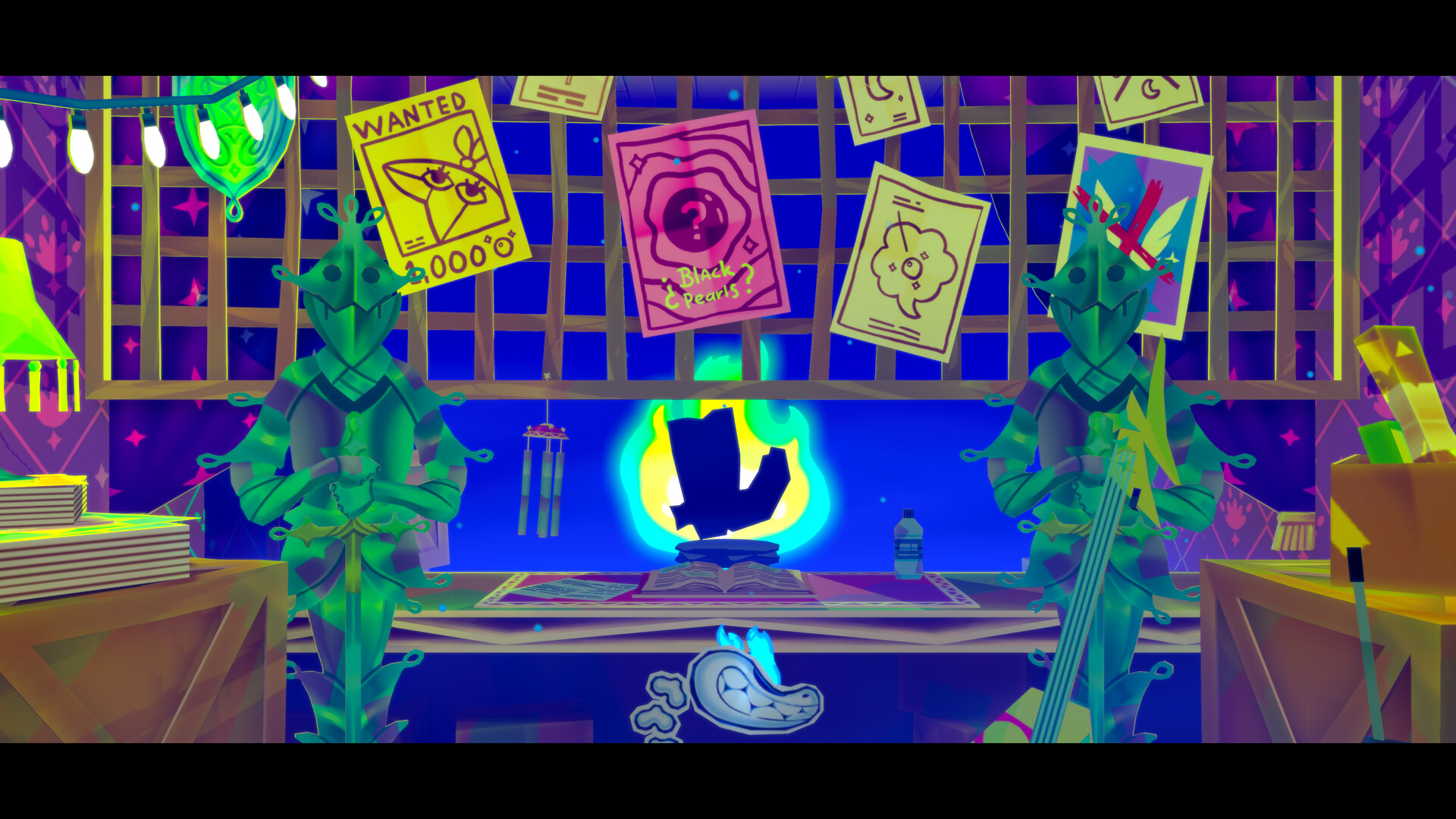
You describe the gameplay as a combination of classic adventure with modern sensibilities, including light action and stealth. How did you blend these genres, and what challenges or opportunities did this present during development?
“The way we went about it was to have the adventure gameplay be the main pillar of the game, and the action and stealth sections work as breaks from the puzzles and investigations. The goal was to provide a flow where the player would be swapping to different challenges to keep the game interesting.
One of the biggest challenges was balancing these action and stealth sections so that they don’t feel disconnected from the tools and skills the players have from the more puzzle-driven parts.”
Given that Kulebra also features a time-looping mechanic—where the day resets for the residents of Limbo—we wondered how they kept this from becoming tedious for completionists and casual players alike.
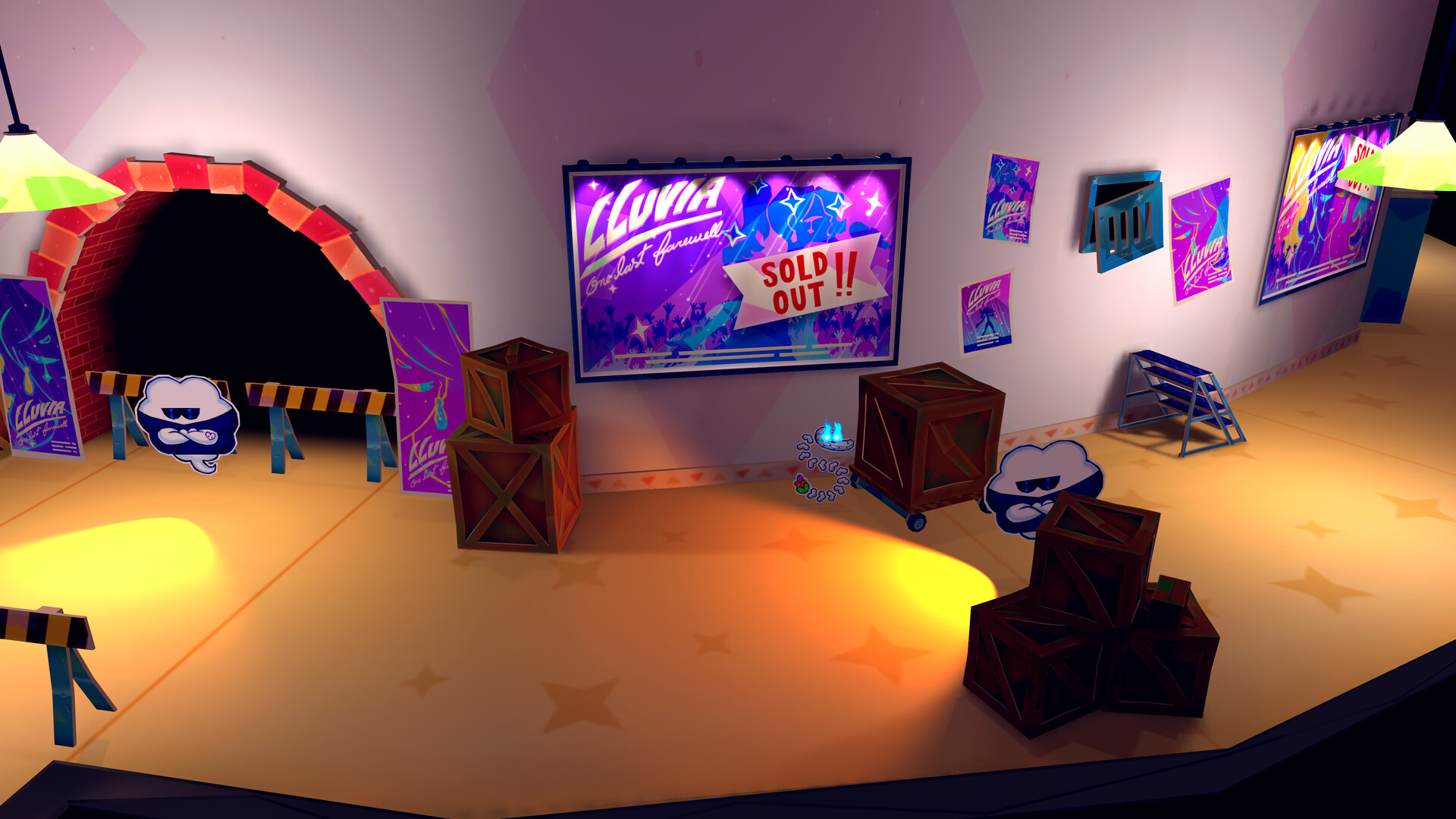
Detective work is a key element, with clues found in conversation, exploration, and puzzles. How did you design the clue-gathering and puzzle systems to be challenging but not overly frustrating for players?
“Given that the game has a time mechanic that could force players to retrace their steps if they were to run out of time, we paid a lot of attention to minimizing possible frustrations.
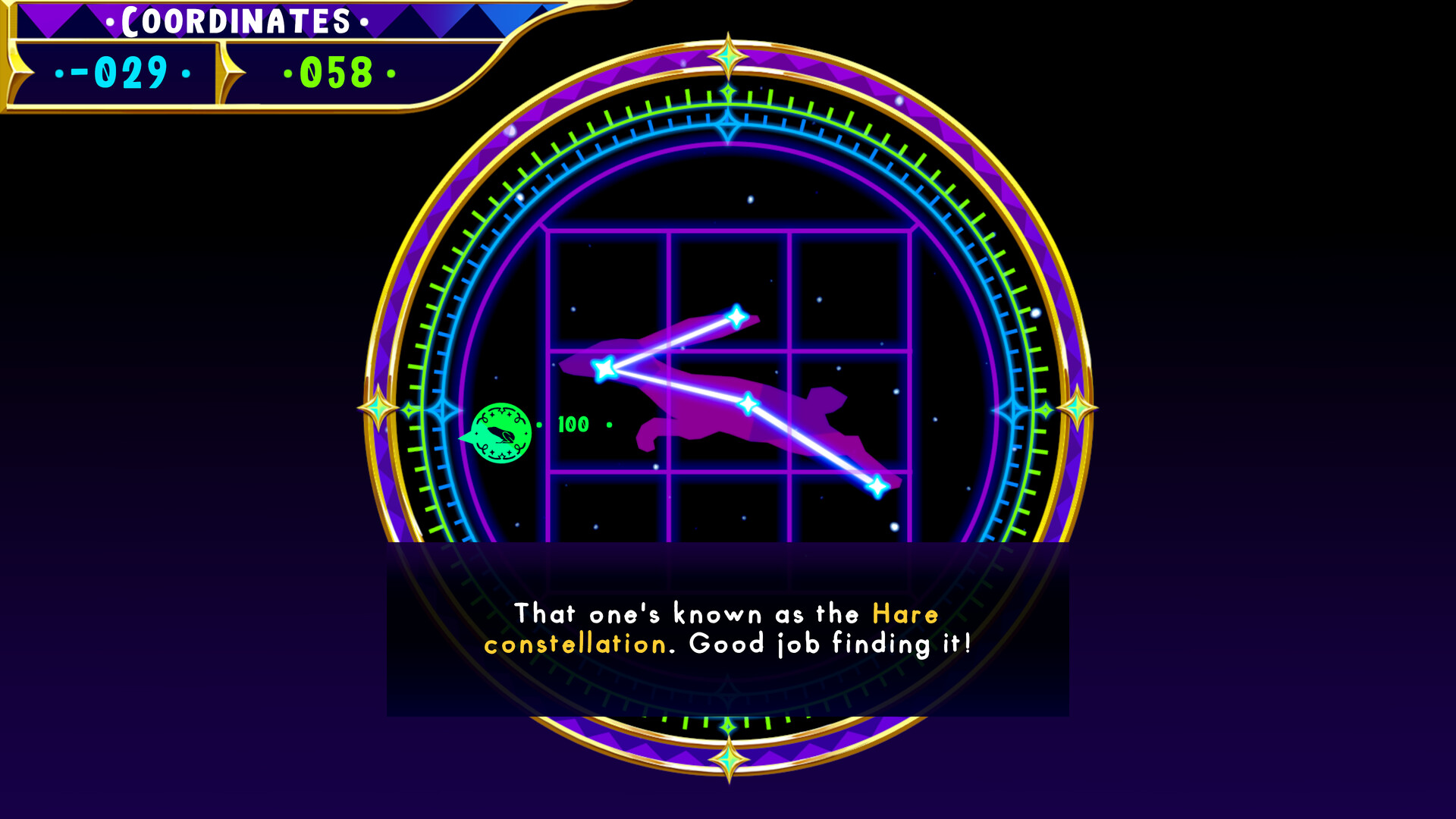
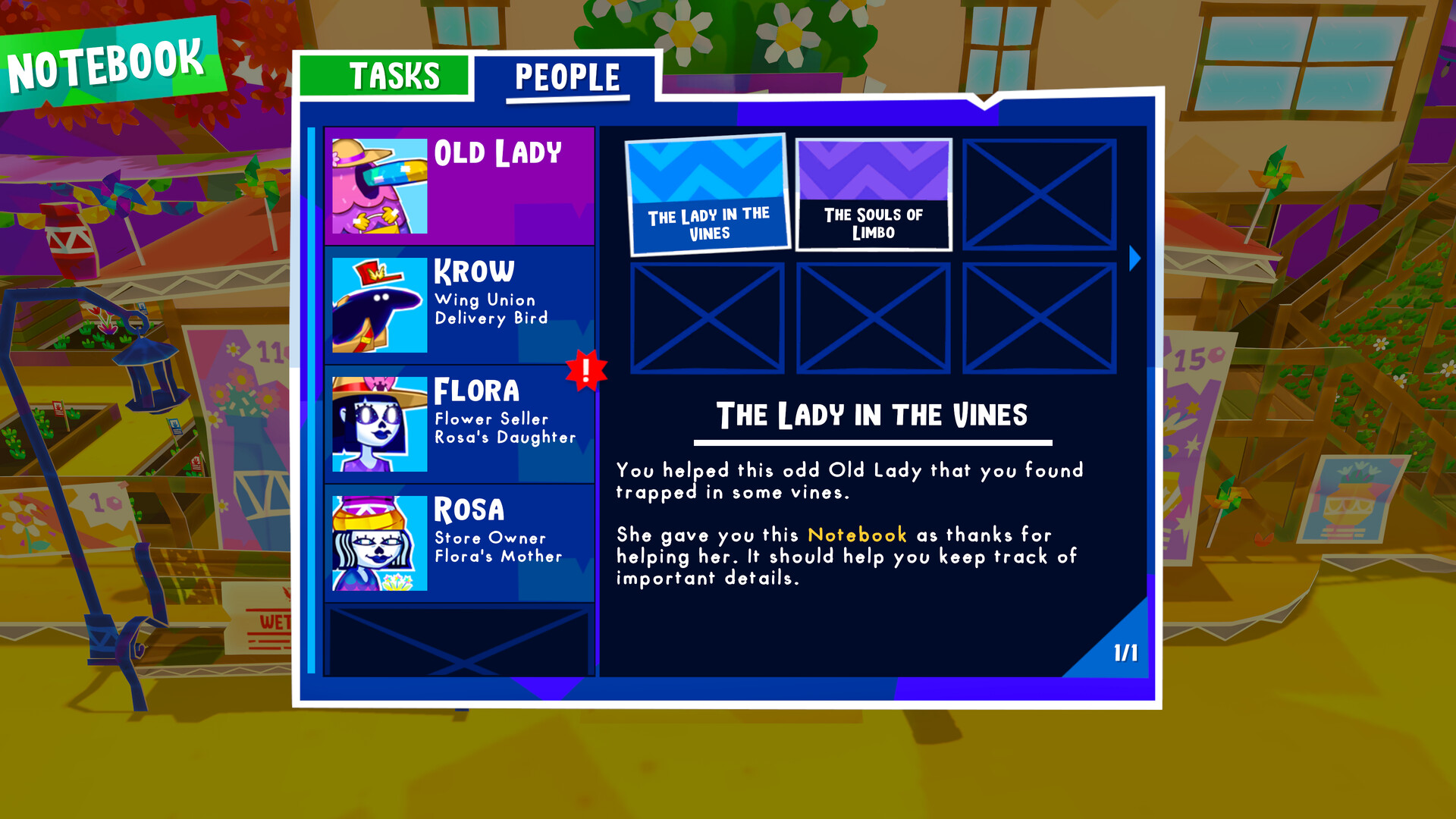
The notebook is immensely helpful with filtering out flavor text and highlighting what you need to pay attention to (along with using yellow text to highlight important details). It’s also a good tool to remind players what they were up to if it’s been a while since they last played.
We also made sure to add plenty of ‘checkpoints’ to minimize repeats if the player were to run out of time. And whenever possible, we allow the player to gather clues out of the intended order so that they always have a chance to make progress even if they go a bit off-script.”
Creating such a complex web of mechanics and narratives clearly required immense dedication. We wanted to know what specific hurdles tested the team the most.
What was the most challenging aspect of developing Kulebra and the Souls of Limbo and how did your team overcome it?
“Well, I’d have to say that the most difficult element was to keep things fresh for each chapter. Since this tends to really break the base formula of the game on every instance. In every chapter, we make an effort to present the basic mechanics of the game with a ‘kool twist’ in order to not tire the player with the same routine.
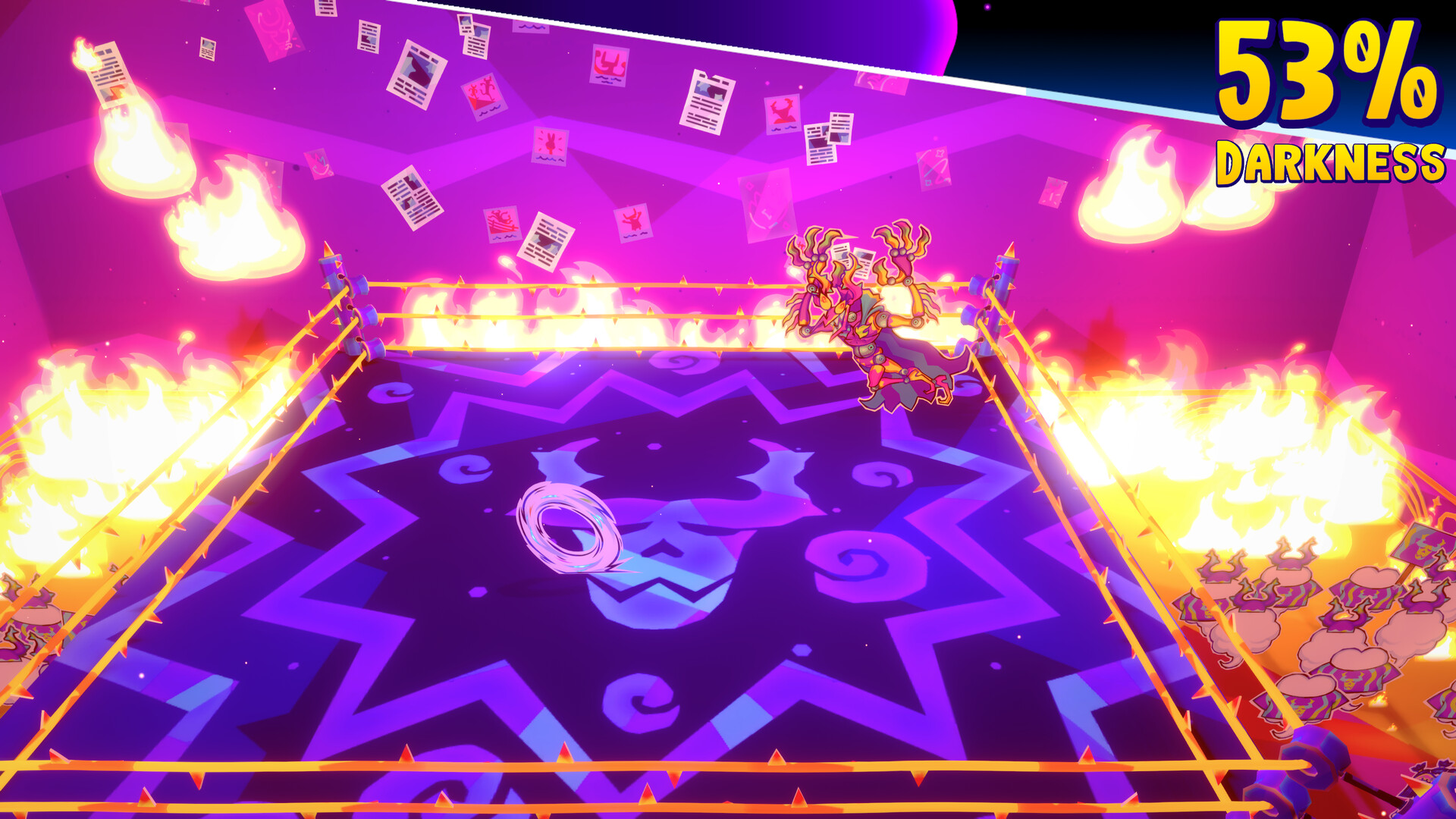
Sometimes we would have a sneaking section, other times the player would walk around a multitude of souls at a concert, or even a wrestling match! And this really shakes things up both creatively, and mechanically. But in the end we sure think it is worth it.”
With so much variety packed into the papercraft world, everyone has a highlight that sticks with them.
Could you talk a bit about your favorite part in the game?
“That’s a hard one to pick, but today I’d go with chapter 5’s section. The level design for that area has a pretty interesting mix of exploration, and light horror. Which is a combination I really enjoy.
There’s a very moody setting in that area that perhaps will not be for all players, but I’m sure every player will like it in one way or another. Even if it’s just a tiny bit, heh.”
For developers out there reading this and dreaming of building their own vibrant indie worlds, the team had some parting wisdom to share.
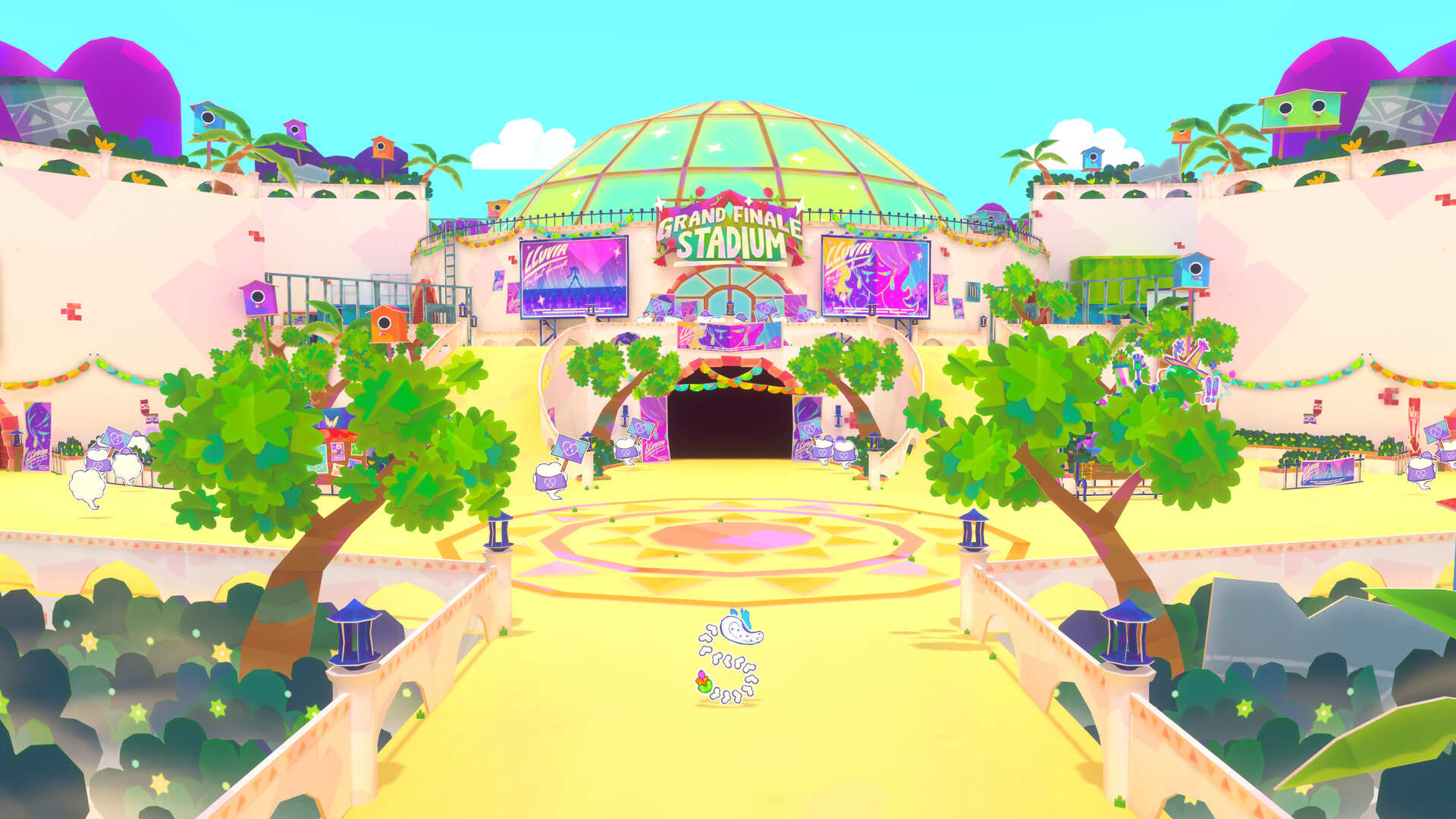
What advice would you give to aspiring game developers who want to create their own unique game?
“To start with a simple idea, with a lot of heart. It may sound vague, but keeping your scope modest helps you to focus on the elements that you really want to bring to reality, and as for what elements those may be? I believe that’s where the ‘heart’ part comes in. And as simple as it sounds, this is no easy task, but that doesn’t mean that you can’t try it to the best of your abilities through the whole process.”
As our time came to a close, we handed the floor back to the developers for a final message to the community that made their launch a reality.
Any final words that you would like to say about your game, team or anyone who has supported you along the way?
“We hope that if those reading decide to give it a chance to our project, or if they have already. I hope the game leaves a positive mark, and perhaps to open a door to a world of introspection, and empathy. Something that although invisible, it may be needed. And thanks a lot, of course!”
📋 Game ID Card
- Developer: Galla Games (Paulo and Pavel Lara)
- Publisher: Fellow Traveller
- Engine: Unity Engine
- Platforms: PC (Steam, GOG, Humble), Nintendo Switch, Xbox Series X|S
- Release Date: May 16, 2025
- Genre: Adventure / Indie
What are your thoughts on Kulebra and the Souls of Limbo? Have you managed to break the time loop yet, or are you just enjoying the vibrant sights of the afterlife? Drop your thoughts, theories, and experiences in the comments section below!
 Dev & Play Media
Leave a comment