
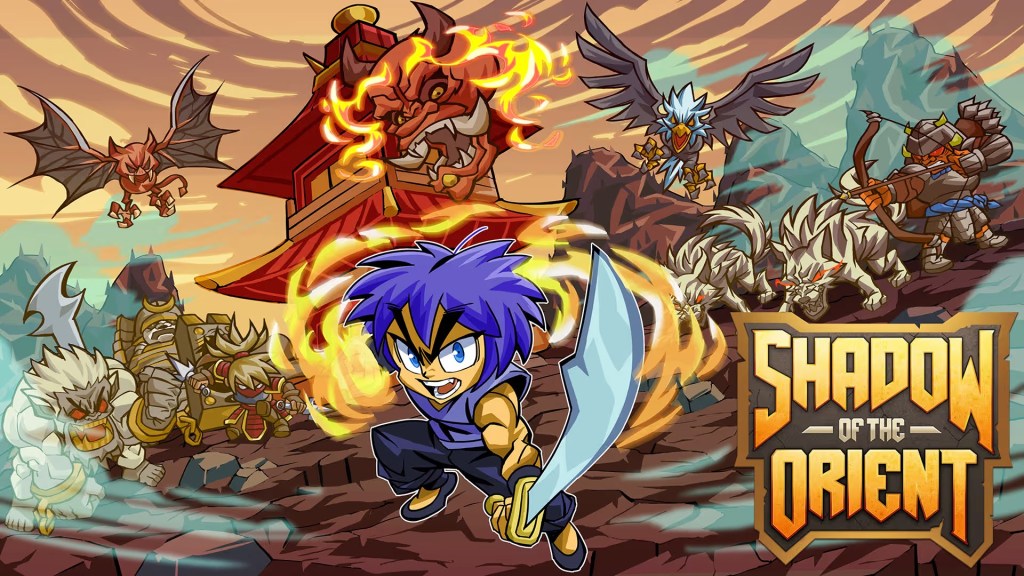
Released on PC on October 6, 2024, Spacelab Games’ ‘Shadow of the Orient’ remains, regrettably, a largely unsung hero. Despite its masterful fusion of beat ’em up mechanics and demanding platforming, the game has garnered only a trickle of reviews. This charming retro-styled gem, brimming with irresistible sweetness, deserves far more than to languish in obscurity.
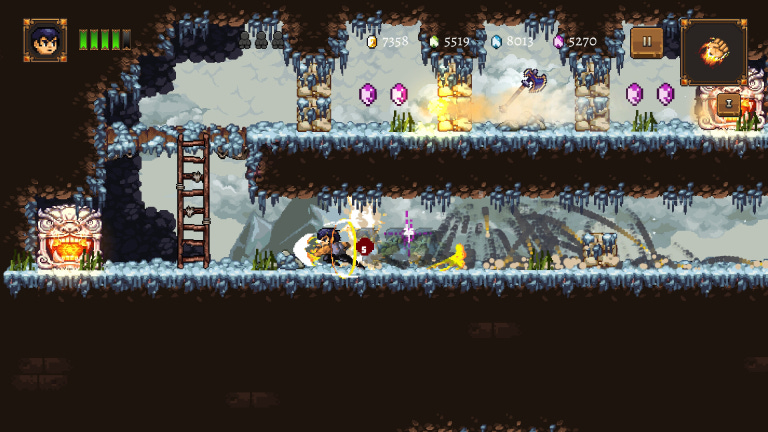
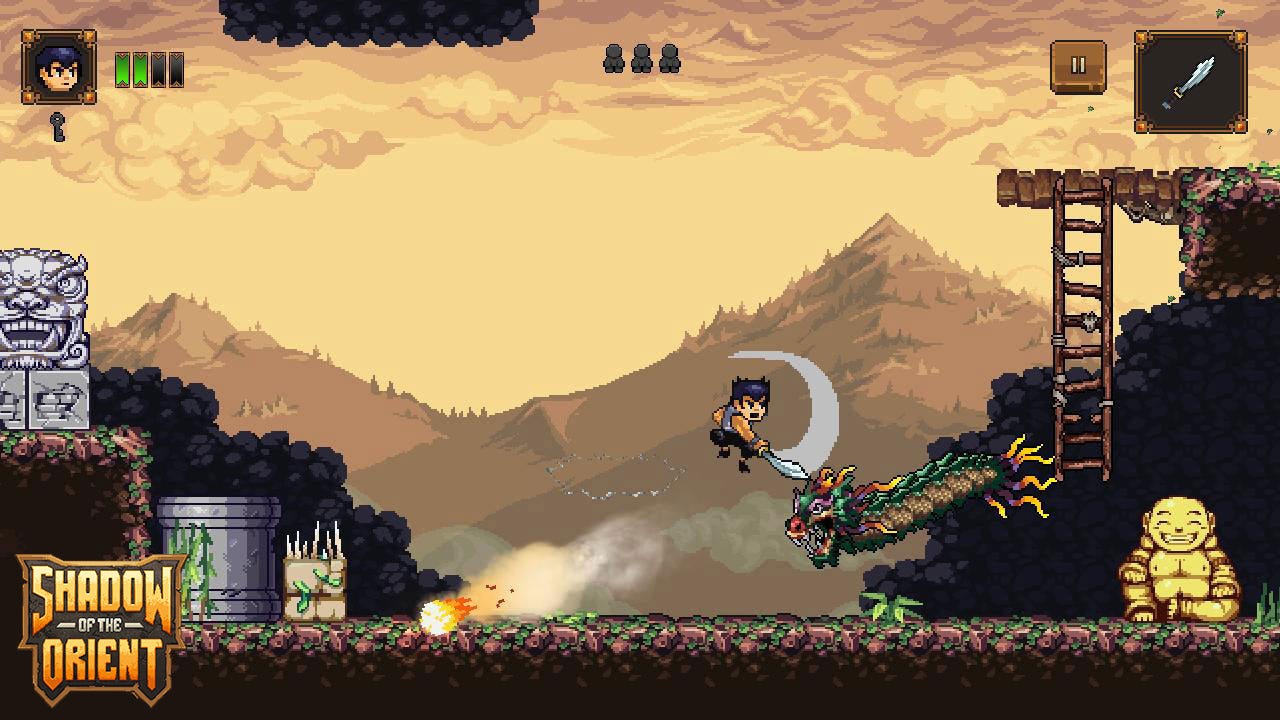
Fortunately, the developers are working diligently to broaden the game’s reach, with planned releases for Nintendo Switch, PlayStation 4/5, and Xbox One/Series X/S. ‘Shadow of the Orient’ captivates immediately with its stunning retro-inspired 2D visuals, creating a nostalgic yet vibrant atmosphere. The game’s meticulous environmental design provides a visually rich experience. Beyond aesthetics, the game delivers visceral combat, particularly with a controller, where impactful strikes and tactile feedback elevate each encounter.
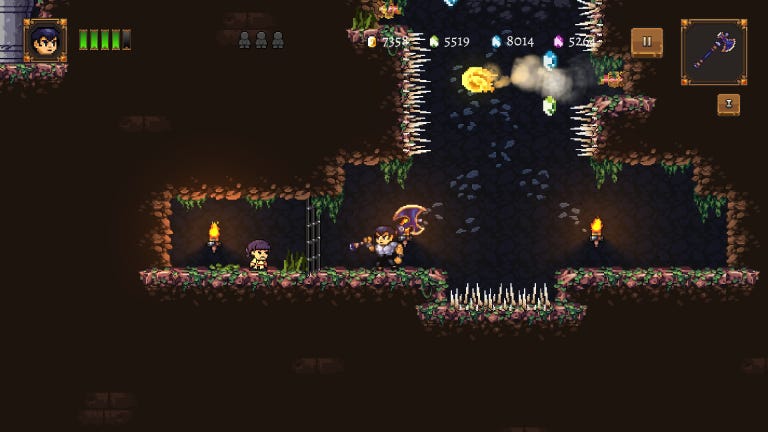
The game offers a multifaceted experience beyond combat, featuring intricate maps filled with hidden treasures and a robust progression system. Players collect coins and gems to unlock upgrades and abilities, encouraging thorough exploration. Enemy encounters demand strategic thinking, requiring precision and tactical approaches. Challenging platforming elements and a dynamic gameplay loop ensure every moment is engaging, regardless of playstyle.
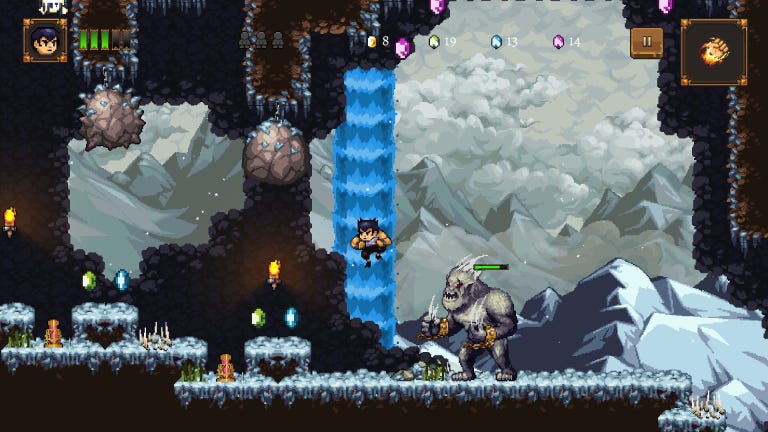
Despite its limited exposure, ‘Shadow of the Orient’ is a hidden gem that blends retro charm with satisfying combat and rewarding exploration. Its blend of classic beat ’em up aesthetics with modern gameplay mechanics offers an experience that deserves wider recognition, making it a must-play for fans of retro games and action-platformers.
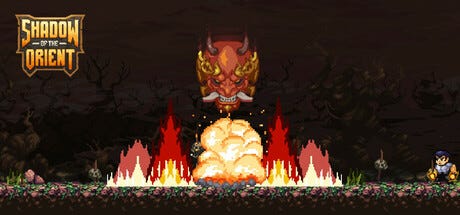
In the crowded landscape of indie game development, creating a memorable experience requires a blend of nostalgic inspiration and unique vision. Leonardo Nanfara, the sole developer behind the 2D pixel art action platformer, ‘Shadow of the Orient’, has navigated this challenge, drawing from classic titles while forging his own path.
“I took inspiration from quite a few platformers which I played in my youth back in the 80s such as Ninja Gaiden and Double Dragon and more recent titles like Blasphemous and The Mummy Demastered,” Nanfara reveals. While he modestly claims his game doesn’t offer “anything unique in particular,” he emphasizes the “fun and challenging platforming experience” it delivers, a testament to his dedication to the genre’s core appeal.
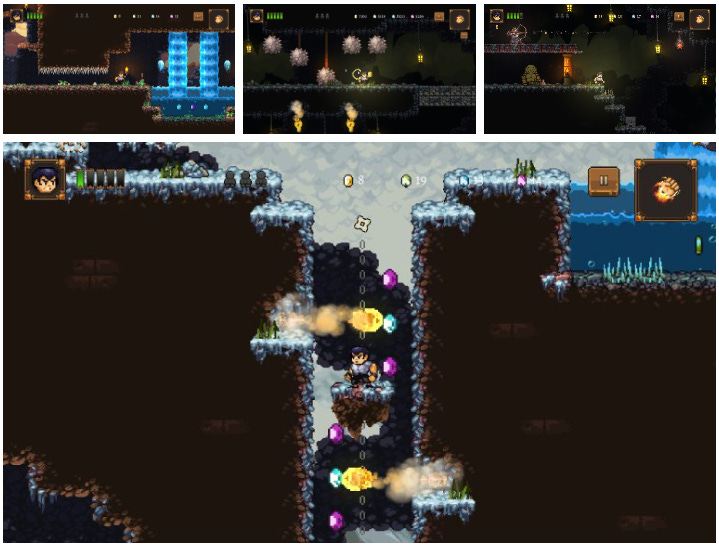
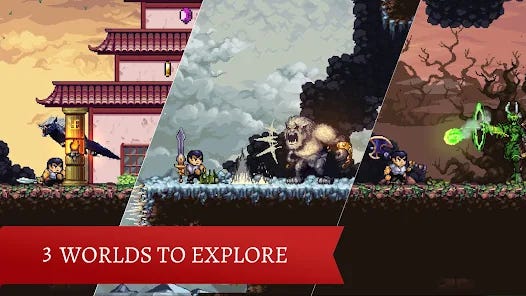
‘Shadow of the Orient’ unfolds across “3 worlds to explore across 15 maps,” each with a distinct theme. Nanfara elaborates, “In the first act, players adventure across the orient in a summer-like environment which transitions into a winter environment for act 2 and then transitions into a darker and swampy environment for act 3.” This progression isn’t merely aesthetic; it’s woven into the narrative, with each world presenting unique challenges and enemies, such as the formidable Yeti, the fiery Death Knight, and the homing-missile-firing Dark Apparition. “The idea behind these distinct themes was to add a layer of progression as the player heads towards the final showdown with the dark lord,” Nanfara explains. “For instance, in Act 3, the dark swampy environment features skulls on pikes throughout each level illustrating the destruction the dark lord has bestowed upon the people of the orient.”
Complementing the game’s atmospheric journey is the “Digitized Soundtrack” by Genatari. Nanfara admits the remote collaboration was “not an easy one,” requiring extensive reference tracks to convey his vision. “I wanted each track in the game to complement the environment to make the player feel engaged and motivated during their adventure while setting a distinct tone,” he says. The result is a soundtrack that enhances the game’s mood, from the eerie cave levels to the intense boss battles.
Developing ‘Shadow of the Orient’ as a one-man show presented its own set of challenges. “Being that this is my very first game that I have ever developed, I had to learn many things during the production cycle and manage all aspects of the game from enemy designs, tilemap layouts and A.I. behaviour,” Nanfara recounts. Remote communication with contractors proved particularly difficult. “My biggest challenge though was communication with my contractors – working 100% remotely is very challenging because it’s much harder to convey your ideas over Discord chat messages.”
Despite these hurdles, Nanfara’s passion shines through, especially when discussing his favorite aspect of the game: “I think my favorite part in the game is the final boss fight – I really like how that battle turned out and I’ve gotten a lot of positive comments on it from players who beat the game on the mobile version.” He leaves the specifics for players to discover, promising a rewarding climax.
For aspiring game developers, Nanfara offers straightforward advice: “As difficult as it is to produce a game, it’s also a lot of fun. I’d say just make the type of game you want to make and let the player’s decide if it’s worth playing. I’ve had players who have enjoyed my game and players who dislike it – i can’t please everyone but if i can please some players then i’ve accomplished my goal.“
He concludes with a heartfelt acknowledgment of the creative artists who contributed to the game’s development. “I guess I would like to thank the creative artists who have helped me during the development cycle of my game – it wouldn’t have been possible without their experience and expertise.”
‘Shadow of the Orient’ stands as a testament to the dedication and perseverance of indie developers, blending classic platforming action with a unique, atmospheric journey.
Article originally published on IT Logs
 Dev & Play Media
Leave a comment