

We’ve all heard about people doing stupid things for love. Heck, we’ve done our fair share of stupid things ourselves, but Davy sure makes the rest of us look like geniuses. Our dude is a not-particularly-bright zombie who’s fallen hopelessly in love with a girl who’s been frozen to death. Naturally, he decides that the best way to bring her back to life is to beat up hundreds of monsters and steal their abilities along the way. Oh, and let’s not forget the best and most obvious part. He’ll also be travelling through a toilet. Romance truly is a wonderful thing.
Developed by GPTRACK50, a studio founded by former Capcom producer Hiroyuki Kobayashi, Stupid Never Dies is an outlandish action RPG with roguelite elements and over-the-top combat, chock-full of bizarre ideas. Join us after the trailer as we discuss some of the game’s most interesting moments!
Love at First Fright
Poor Davy doesn’t have much going for him. Monsters have taken over the world, and zombies aren’t exactly respected members of society. Our unfortunate hero has it especially rough, spending most of his time wandering around an abandoned shopping mall without much purpose. Things change when he discovers Julia, a young woman who froze to death inside a freezer, and immediately falls in love with her. We’d love to know what Julia thinks about her new admirer, but being dead makes expressing an opinion rather difficult.
Fortunately, there’s a scientist named Dr. Frank who believes he can help. It turns out that Davy has accidentally swallowed something called a Phoenix Egg, which allows him to consume monsters and steal their powers. There’s also a possibility that defeating the King of Monsters might provide the knowledge needed to bring Julia back to life. That’s all Davy needs to hear, and before long, our lovestruck zombie is travelling into monster-infested dungeons through a heavily modified toilet. We’d probably have a few questions for the good doctor, especially concerning his preferred method of transportation, but Davy isn’t exactly known for his intelligence.
The story, as you’ve no doubt deduced by now, is completely and utterly ridiculous, and we wouldn’t have it any other way. The shopping mall is home to some equally ridiculous characters, including a talking Chihuahua man and a headless musician. There’s even a biker zombie running a burger shop, because apparently that’s a perfectly reasonable business to operate after the apocalypse. The jokes can be rather childish, and a few of them go on longer than necessary, but we enjoyed the nonsense. Visually, the game is just as eccentric, with graffiti and stickers practically everywhere. The comic-book illustrations look great, and the exaggerated animations fit the general atmosphere rather nicely. The pop-punk soundtrack also deserves a mention, although its rebellious attitude won’t appeal to everyone.
A Zombie With a Few Tricks Up His Sleeve
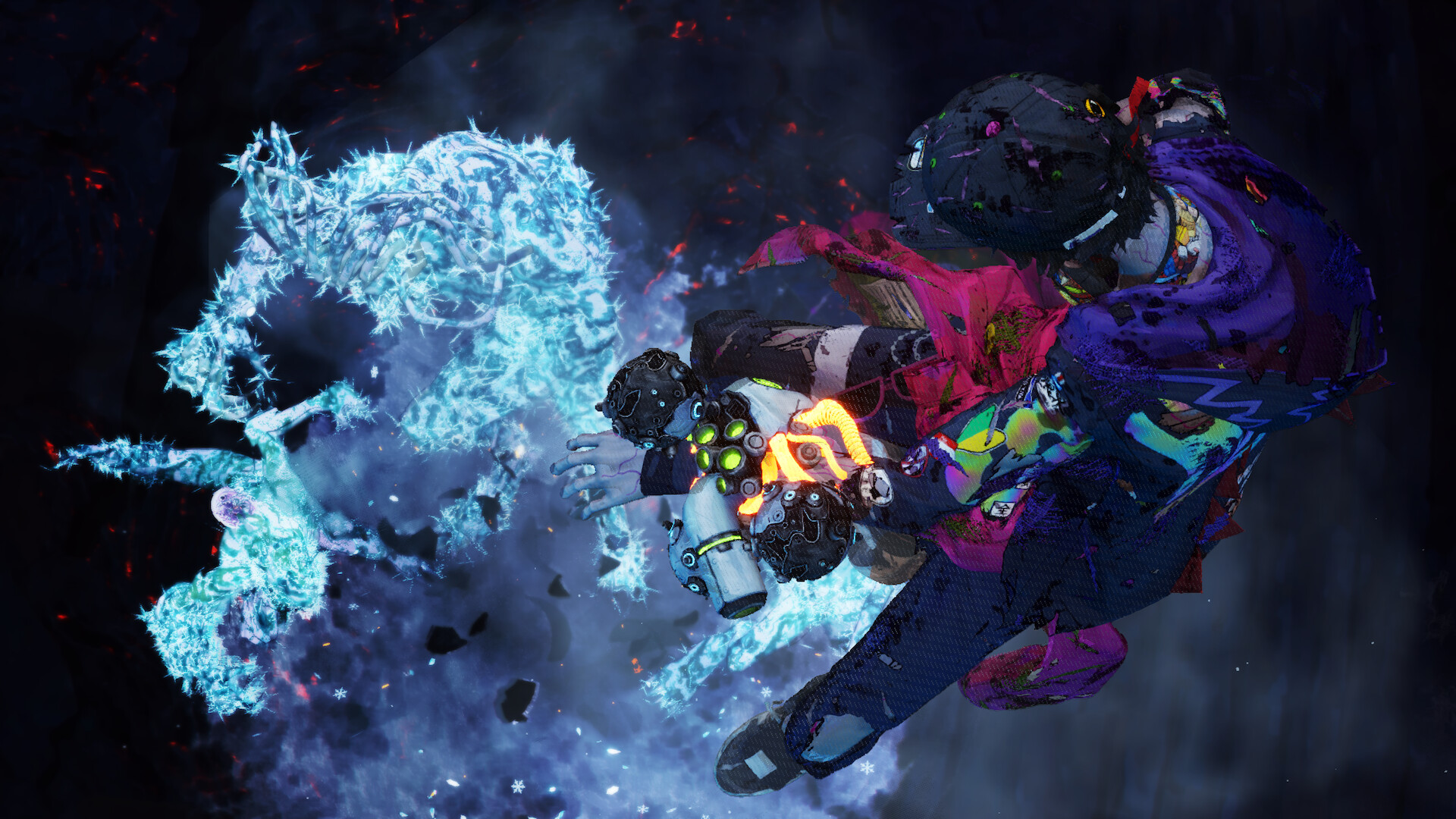
Most of our time is spent exploring underground dungeons and fighting monsters. Davy starts with fairly straightforward attacks, but it doesn’t take long before we discover that being a zombie has certain advantages.
One of his more unusual abilities is called Stupid Parry. Rather than avoiding an incoming attack like a sensible person, Davy can charge directly into it. He still takes damage, but some of it is reduced and converted into recoverable health that can be restored by biting enemies. It’s a rather strange way of defending ourselves, although we suppose it makes sense for someone who probably doesn’t feel much pain to begin with. We can also counter certain powerful enemy attacks, giving us an opportunity to dish out some punishment of our own. The whole system encourages aggressive fighting, which suits our brainless hero rather well.
But the mechanic we enjoyed most is Style Eat. Remember that Phoenix Egg Davy swallowed? Well, it allows him to consume the cores of powerful monsters and transform into them. There are 11 Styles altogether, counting his regular zombie form, and some of the transformations are genuinely entertaining.

The Werewolf is particularly fun if we want to get up close and personal with our enemies. His claws make short work of weaker monsters, and he can jump off walls to reach places Davy normally couldn’t. The Harpy takes a different approach, attacking from a distance with feathers. She can also glide, which proves useful when exploring some of the larger areas. We can even become a Lich and summon skeletons to do some of the fighting for us. We rather like the idea of letting someone else handle the dirty work for a change.
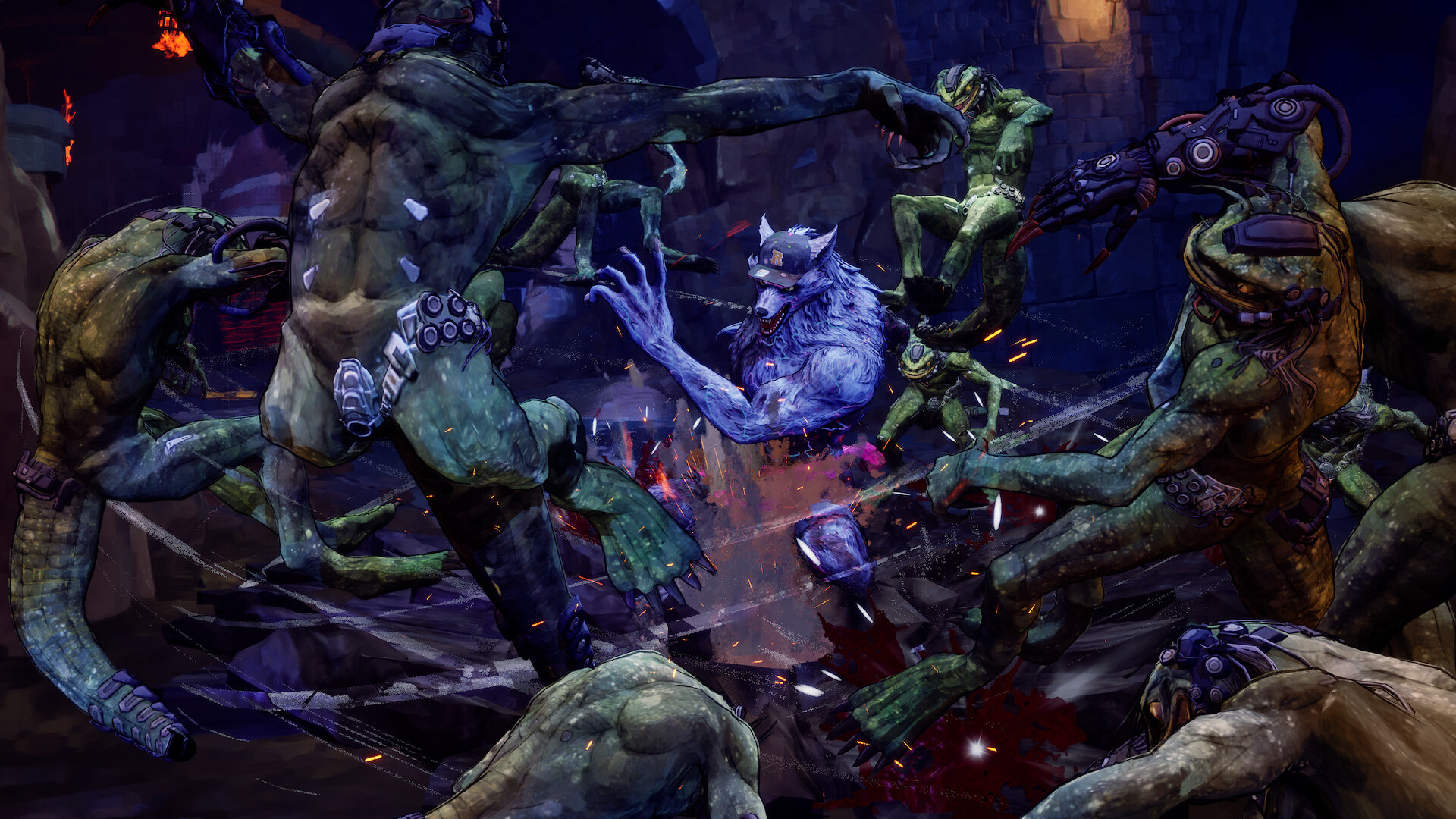
Other transformations have their own peculiar abilities. The Snow Fairy can freeze enemies, while the Cyclops is strong enough to smash through certain walls and reveal hidden rewards. We appreciate that the developers have given these monsters something useful to do outside combat, since it encourages us to experiment with them while exploring.
There’s a catch, however. Davy can carry only two additional Styles alongside his regular zombie form, and these transformations don’t last forever. After progressing through a certain number of dungeon layers, we have to find another monster to consume. It keeps things interesting, although losing a transformation that works particularly well with our current equipment can be annoying.
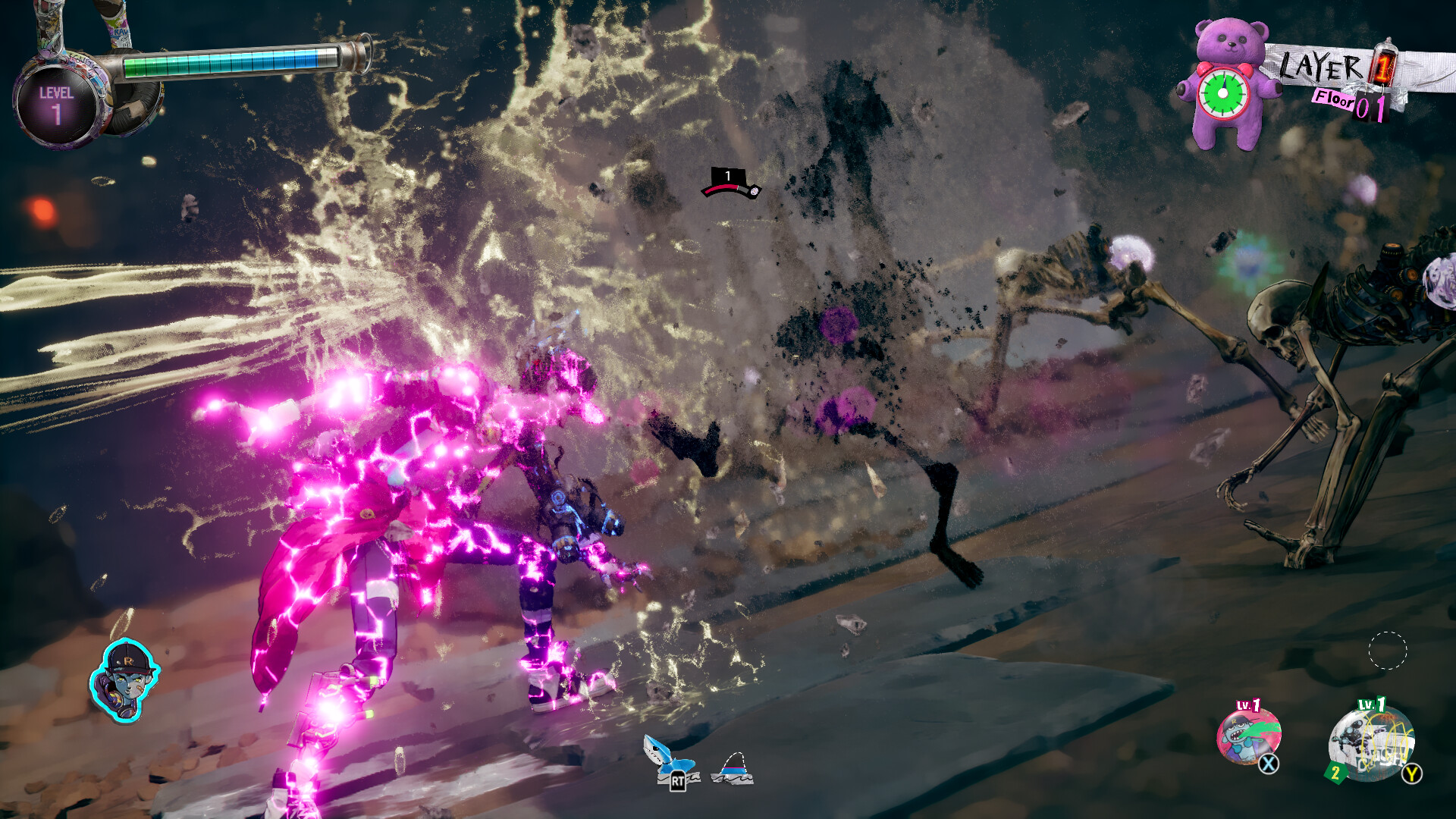
We also found that some monsters are considerably more enjoyable to control than others. Faster transformations tend to work better during hectic encounters, while slower ones can feel awkward when enemies start surrounding us. The combat itself doesn’t always help matters. There’s no traditional lock-on system, so attacks occasionally miss their intended targets, and flying enemies can be particularly troublesome. The camera also has a habit of getting confused when things become too chaotic. These aren’t exactly minor inconveniences in a game where fighting takes up so much of our time.
Twelve Minutes to Cause Some Trouble
Every dungeon expedition begins with a 12-minute timer. Our job is to make our way through several layers before time runs out, preferably without getting Davy killed along the way. We can spend time fighting ordinary monsters to gain experience or search for stronger ones whose abilities might come in handy. There’s also the option of making a run for the next area, although some encounters won’t let us progress until we’ve defeated everyone.
We quite like the idea of having to decide how much time to spend on each floor. Staying too long means risking running out of time before reaching the boss, but rushing ahead isn’t necessarily a good idea either. We might arrive at the next encounter without the upgrades needed to survive. Once we become familiar with the enemies, deciding which fights are worth the trouble becomes easier. Unfortunately, having to revisit the same environments so frequently does take some of the enjoyment away.

At least the game is fairly generous when it comes to progression. Every expedition increases an experience multiplier, allowing Davy to gain levels much faster on subsequent attempts. It’s possible to gain dozens of levels during a relatively short run, and each new level gives us opportunities to improve his abilities. These upgrades are temporary, so we lose them once the expedition ends, but there are also permanent improvements that make life a little easier the next time around.
And if turning into monsters isn’t strange enough, we can also replace parts of Davy’s body with mechanical equipment. This system is called Body Hack, and it uses modifications known as Overtech. Some improve his basic statistics, while others give him additional attacks or defensive abilities. One particularly ridiculous example surrounds Davy with landmines whenever he gets knocked down. Apparently, even falling flat on his face can be turned into an offensive strategy.
We can also visit Bessie’s burger shop to purchase temporary perks before heading into another dungeon. Combined with the body modifications, these bonuses allow us to experiment with different builds and find combinations that suit our preferred transformations.
The problem is that there’s an awful lot to keep track of. Between expeditions, we regularly find ourselves going through menus and checking which upgrades we can afford. The game also has several currencies, which makes the whole process feel more complicated than necessary. We don’t mind spending time improving our character, but sorting through minor statistical bonuses becomes rather tiresome after a while. We’d much rather get back into the dungeon and turn someone into zombie food.

When the Fun Starts Wearing Thin
For all the interesting things Stupid Never Dies tries to do, we couldn’t help feeling that the actual fighting needed a little more attention. We enjoyed experimenting with monster transformations, but the awkward targeting occasionally spoiled encounters that should have been entertaining. It becomes especially noticeable during boss battles, where a badly timed attack or an uncooperative camera can quickly put us in serious trouble.
Preparation also matters quite a bit, and entering a boss encounter without a suitable transformation or the right resistance upgrades can make things unnecessarily difficult. Since some of the rewards depend on what we happen to find during an expedition, we don’t always have the equipment we’d like. Having to repeat several dungeon layers because we ended up with an unfortunate combination isn’t our idea of fun, particularly when we’ve already visited those areas numerous times.
Another thing we weren’t particularly fond of was how long the game takes to introduce its better ideas. There’s quite a bit of information to get through early on, and the constant explanations can make the opening feel unnecessarily slow. We understand that there are plenty of systems to learn, but perhaps the developers could have introduced some of them more gradually. The monster transformations are easily one of the most appealing parts of the experience, and we would have liked to spend more time enjoying them rather than reading about yet another upgrade system.
Still, we undoubtedly had a ton of fun with Davy and his ridiculous adventures. There’s something rather amusing about controlling a zombie who’s willing to go through all this trouble for a woman he’s never actually spoken to. We also appreciate how much effort has gone into making the monster transformations feel different, even if some are considerably more useful than others. Discovering a new Style and figuring out what we can do with it is probably the biggest reason to keep playing.
Our Verdict
Stupid Never Dies is worth considering if you enjoy action RPGs with unusual mechanics and don’t mind a fair amount of repetition. We wish the combat were more precise and the progression a little less cluttered, because there’s a genuinely entertaining game buried underneath all those systems. As for Davy, we sincerely hope he manages to bring Julia back to life. The poor fellow has already lost most of his body and quite possibly his last functioning brain cell. It would be a shame if all that effort went to waste.
Our score: 8.5/10
- Game: Stupid Never Dies
- Developer: GPTRACK50 Inc.
- Publisher: GPTRACK50 Inc. / SEGA
- Release date: October 21, 2026
- Platforms: PC, PlayStation 5
- Genre: Action RPG, Roguelite
- Modes: Single-player
- Version tested: To be added
- Price: $49.99 (US launch price)


Leave a Reply