

Starting a new chapter in the games industry is never a small decision, especially at a time when studios are facing tighter budgets and shifting expectations in a market that’s increasingly uncertain.
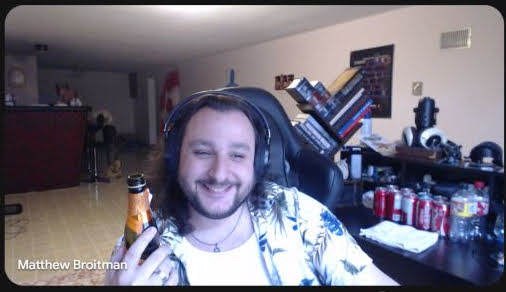
After years of working in project management and executive production roles at Evolve PR, Matthew Broitman decided it was time to try something different. He stepped away from the traditional team structure and founded Barrel Band Games, a freelance consulting and production practice focused on helping indie developers navigate the final stages of development and bring their projects across the finish line.

We spoke with Matt about what led him to make that move, the challenges of working independently, the importance of keeping projects focused, and why external contributors deserve better recognition for the work they do.
Leaving behind an established role to work independently is a major change for anyone. We wanted to know what ultimately convinced Matt that it was the right time to take that step.
“Well to be fair, there’s only so much I can really say here, but ultimately changes at Evolve & in the industry as a whole had me considering my role within both.
Barrel Band Games is me stepping out to do things in a way that not only better suits my own style and beliefs but that I think is direly needed in the indie space right now. So many developers I’ve talked to over the years more than anything just needed to have some extended one-on-one time with an industry veteran to talk things through and help them sort out their situation.

I knew I could be that guiding voice for a lot of junior developers, that person they need in their corner to help them get things done and finish their first game in a healthy manner.”
Going Back to Basics
Moving from a larger organization to a solo operation can be a difficult adjustment. After years of collaborating with teams, suddenly having to handle everything yourself changes the way you approach work.
For Matt, however, the transition has felt less like starting over and more like returning to where he began. What surprised him most wasn’t the independence itself, but seeing just how many other people in the industry are now taking a similar route.
“Funnily enough, I actually started my time in this industry alone —running a small press site— so in a lot of ways flying solo just feels like going back to basics for me. If anything has been surprising about it, it’s been seeing just how many others are on a similar path. There’s a lot of people in the games industry right now, either by choice or by circumstance, striking off on their own as well. It’s an interesting dynamic, this shift back to smaller teams with so many people trying to carve their own way forward, and it’s very different from my first time around when I was a small fish surrounded by bigger legacy outlets. If anything, it’s heartening, because the attitude I’ve seen in the conversations I’ve had with other small up-and-comers is that we’re all just trying to find our place and help each other out where we can.”

The Golden Rule of Project Management
Having spent years watching projects succeed and struggle, Matt has seen one lesson come up repeatedly: ambition needs to be balanced with reality.
For independent developers especially, knowing when to stop adding new ideas can be just as important as coming up with them in the first place. We asked him what production lesson has stayed with him the most.
“I would say the biggest thing is learning not to bite off more than you can chew. The most successful projects I’ve worked on have had a clear and defined scope that we then diligently broke down and worked through piece by piece. Whereas on the other hand, the projects I’ve worked on where features keep being added and that scope keeps expanding, those are the ones that become nightmares. They’ll often take forever to actually complete and tend to come out a bit confused as things get bent and twisted around to serve more purposes than they were initially designed for. Of course this is project management 101 in a lot of ways, so it’s not exactly anything new I’m sharing, but it’s the sort of thing you don’t really properly learn until you deal with it in practice.”

Overcoming Final Stretch Roadblocks
Scope problems are one of the most common challenges developers face, but they can become especially difficult during the final months of development. A game that once felt manageable can suddenly become much harder to coordinate when outside factors start entering the picture.
When Matt talks about helping indie developers, a big part of that involves helping teams navigate those moments where development stops being just about making the game itself and starts involving everything around it.
“In that final stretch in particular (though blockers can and do show up throughout the entire development process) the biggest issues often arise when they have to start interacting with other parties. Whether that’s dealing with QA & playtesters or console certification or dealing with PR and plans for promotion around launch or whatever else, as soon as those outside uncontrolled variables come into play, that’s where I most often see problems come up near the end. It’s a lot to manage and a lot of it can be outside of their control and it’s hard to know how to pivot and deal with those things without derailing, especially for first time devs who have never been through that before. Having someone on hand who can help coordinate all that stuff and keep it in sync with the rest of development can be a godsend.”

Helping with those challenges means wearing a lot of different hats. From production planning to communication and preparing launch materials, Matt’s role often starts with figuring out what the real problem actually is.
A developer might come in thinking they need help with one specific issue, but sometimes the bigger challenges are hidden underneath.
“I’ve always found the best place to start is just having an open conversation. I’ll walk through what their progress on the game has been like so far, where they believe they’re running into troubles, and what their plans are going forward in general, all with the aim of getting a sense not just of their situation but of their overall disposition. That alone can often give me a good sense of where core issues might lie and what kind of support, structure, or tooling might be needed to address things overall; not just the obvious problems they came to me with but also the underlying issues that caused them.”
Finding the Authentic Story
With more indie games releasing than ever before, standing out has become one of the biggest challenges facing smaller teams. A unique idea can easily get lost when players are constantly surrounded by new releases.
For Matt, finding that point of connection often comes down to understanding what makes a project special in the first place. It isn’t always about chasing trends or trying to fit into what is currently popular—it is about identifying the reason the developers wanted to make the game.
We asked him what kinds of projects naturally catch his attention.
“I am definitely going to lean towards genres and themes that I personally enjoy (and therefore have more expansive knowledge of) but I’ve always had eclectic tastes and as long as there’s a good hook there and I can see the vision, I’m interested. Put simply, if I can see that a game has a truly compelling “story” to tell, then I want to help tell it, though now we’re getting into your next question…”
That “story” does not necessarily mean a game’s narrative. For Matt, it is about the larger idea behind the project—the fantasy the developer wants players to experience and the reason the game exists.
Finding that can be difficult, especially when creators feel pressure to optimize everything around visibility and algorithms. Instead of starting from market trends, Matt prefers to begin with a conversation.
“Just like how I figure out what sort of help they need, that’s a process that starts with a conversation, one that I try to guide as little as possible. In that conversation I’m having the developer describe their vision to me, where the idea for the game came from, what their favourite mechanics they’ve envisioned for it are, that sort of thing. I just nudge them along to keep the conversation flowing, and what I’m looking for there is those parts of what they tell me that get them truly excited. Passion is contagious, and those pieces that cause them to unintentionally crack a huge smile while explaining them usually will be the thing that catches an audience as well, or at least will hold the kernel of that larger story I then need to tease out as an honest and authentic angle for their game.”

The Importance of Giving Credit
While much of Matt’s work focuses on helping developers finish their games, he also cares about something that happens after release: making sure everyone who contributed to those projects receives proper recognition.
For many external partners and contractors, credits are more than just a nice gesture. They can be an important part of building a career, especially in an industry where shipped titles and past experience often determine future opportunities.
The problem, according to Matt, is not usually a lack of appreciation. Instead, it is that there are still no clear expectations around how external contributors should be recognized.
“In my experience at least, it’s largely the same as it was when I started. It’s nothing malicious on the part of any developer or publisher, there’s no just no standardization for how that should work with external partners, so everyone goes about it differently or doesn’t even consider it. It’s also partly an etiquette issue, where a lot of external partners tip-toe around asking to be in the credits, feeling they’re not close enough to the production to be added, even if that’s just imposter syndrome talking. But, in a world where every game industry job opening is asking about the titles you’ve shipped, not being able to consistently point to the credits of the games you’ve worked on is an issue. That’s why I make a point to put that inclusion in the credits into my working agreements from the start; that way there’s no dancing around or awkward conversations and the expectations are clear.”
For Matt, the solution is relatively straightforward: make those expectations clear from the beginning rather than leaving something so important to chance.
It is a small change, but one that can have a meaningful impact for people trying to build long-term careers in games.

A Humble Vision for Success
Looking ahead, Matt’s goals for Barrel Band Games are refreshingly practical. Rather than focusing on rapid expansion or building the next major industry name, he is more interested in creating something sustainable—helping developers while building a career that feels right for him.
When asked what success would look like for the company over the next few years, his answer reflects the same grounded approach that runs through everything else he discussed.
“Honestly, my vision of success for Barrel Band Games is pretty humble all things considered. If in a year or two, I’ve managed to help launch a couple of games, have a small handful of clients I’m juggling, and I’m keeping a roof over my head, then that’s about as much as I could ask for. I’m not necessarily trying to change the world here, I’m just carving out my own little niche to help the medium I love in a way that suits my style and talents; using my passion to help those with passion.”
There is something fitting about that approach. In an industry that often puts the spotlight on growth, bigger teams, and bigger ambitions, Matt’s focus is on something much simpler: using his experience to help other developers bring their ideas to life.
We want to thank Matt for taking the time to speak with us and share his thoughts on independent development, production, and the challenges facing smaller teams. We wish him the best of luck with this next chapter of Barrel Band Games.

Leave a Reply