
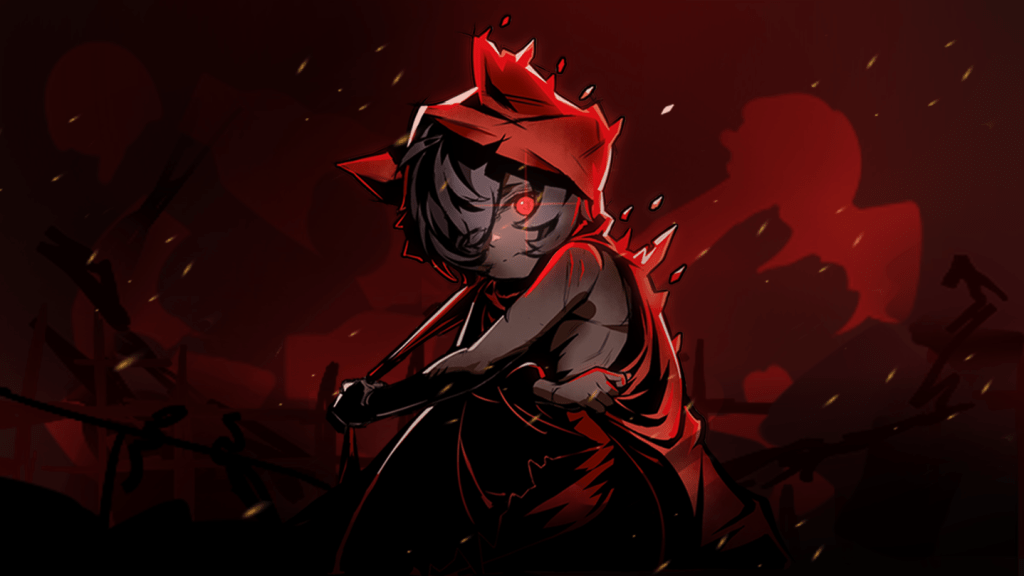
If I were a betting man, I’d say we’re all getting a bit tired of the apocalypse. Every other week, a new indie darling drops onto Steam. Each game asks us to save some charred wasteland from a generic corruption. Cinderia presents itself as a dark fairytale. In this story, a witch burned the world. You have to dig through the ashes to find the truth. Sound familiar? It should. We’ve been playing this exact setup since Dark Souls normalized depression as an art direction.
Violently fun
But here’s the thing. Once you actually get your hands on the controller, Cinderia stops being a derivative goth poem. It turns into a surprisingly vicious math problem. A math problem that, for the first time, we actually loved. Some games thrive on the gameplay and make everything else redundant. Cinderia is one of those games.
How do you play Cinderia?
Room-to-Room RNG: Progression is dictated by random events and shifting route generation, preventing route memorization.
Hub-and-Run Loop: Players start at a central safe zone, venture out, die, and return with meta-currency.
Spellcard & Ember Synergy: The primary progression mechanic involves slotting modifying cards to fundamentally change basic attacks and dashes.
Powerful and addicting gameplay
What are you actually doing for the next 30 hours in Cinderia? You are managing chaos.
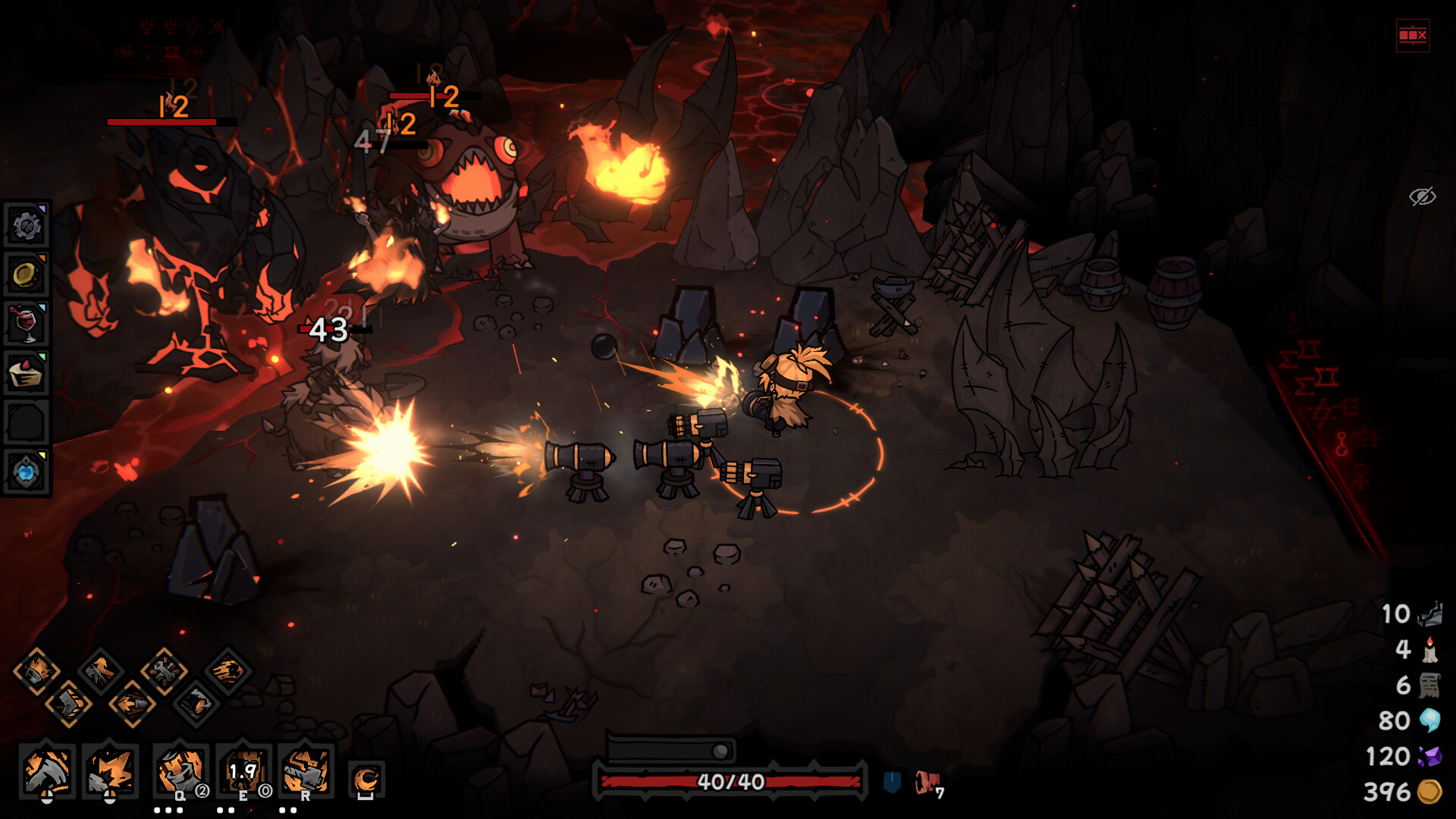
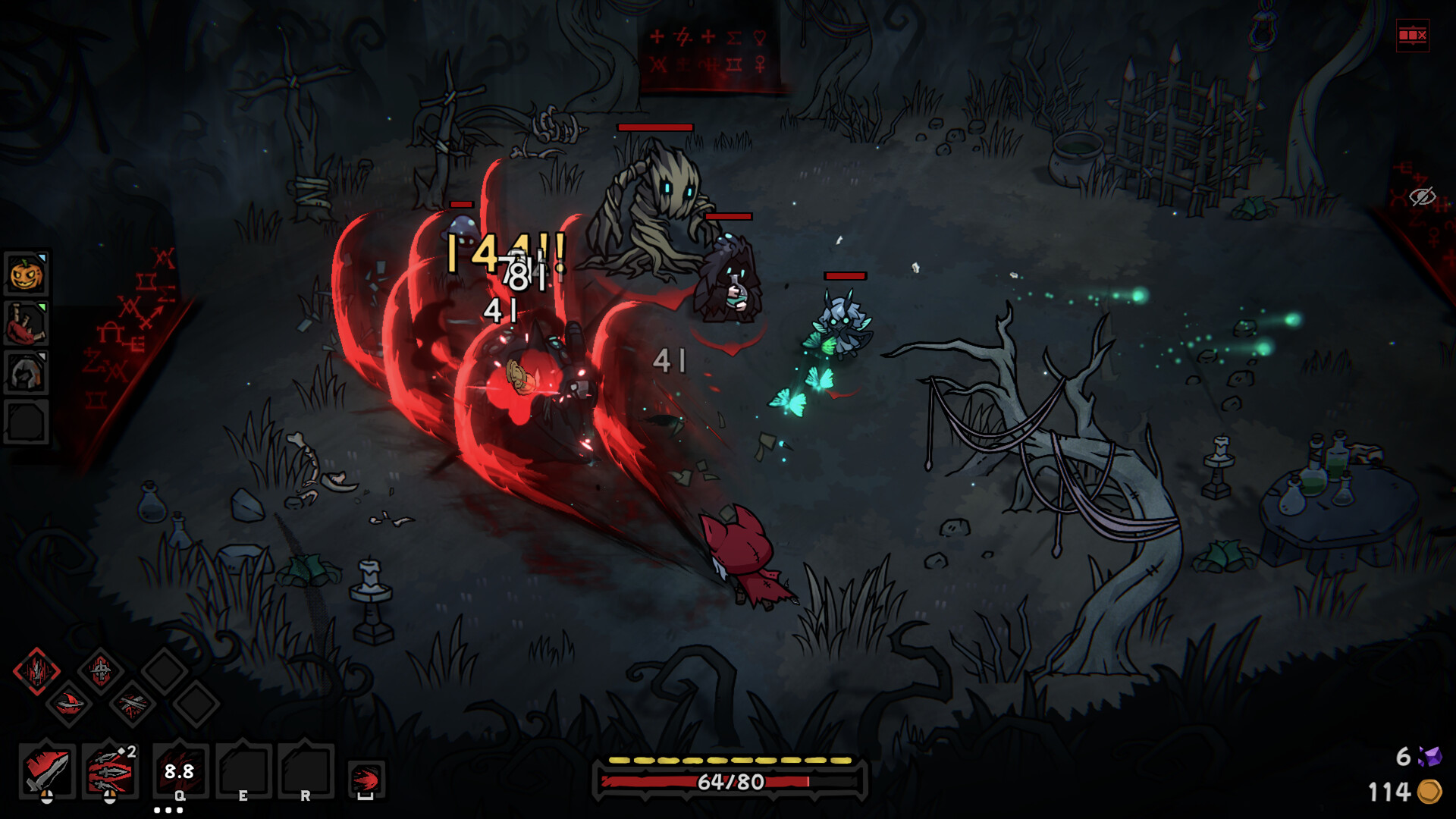
The dark universe opens up and lets you play with four characters, 180+ skills, and 130+ pieces of equipment. PR would call this “countless combinations.” Others might see this as an absolute nightmare of RNG bloat. Regardless, Cinderia is standard but very addictive action-roguelite where you spawn, you pick a door, you kill a room full of monsters, and you pray the loot pool doesn’t screw you over. You fight with short blades, frost magic, or outright cannons.
Battling AI and the inventory system
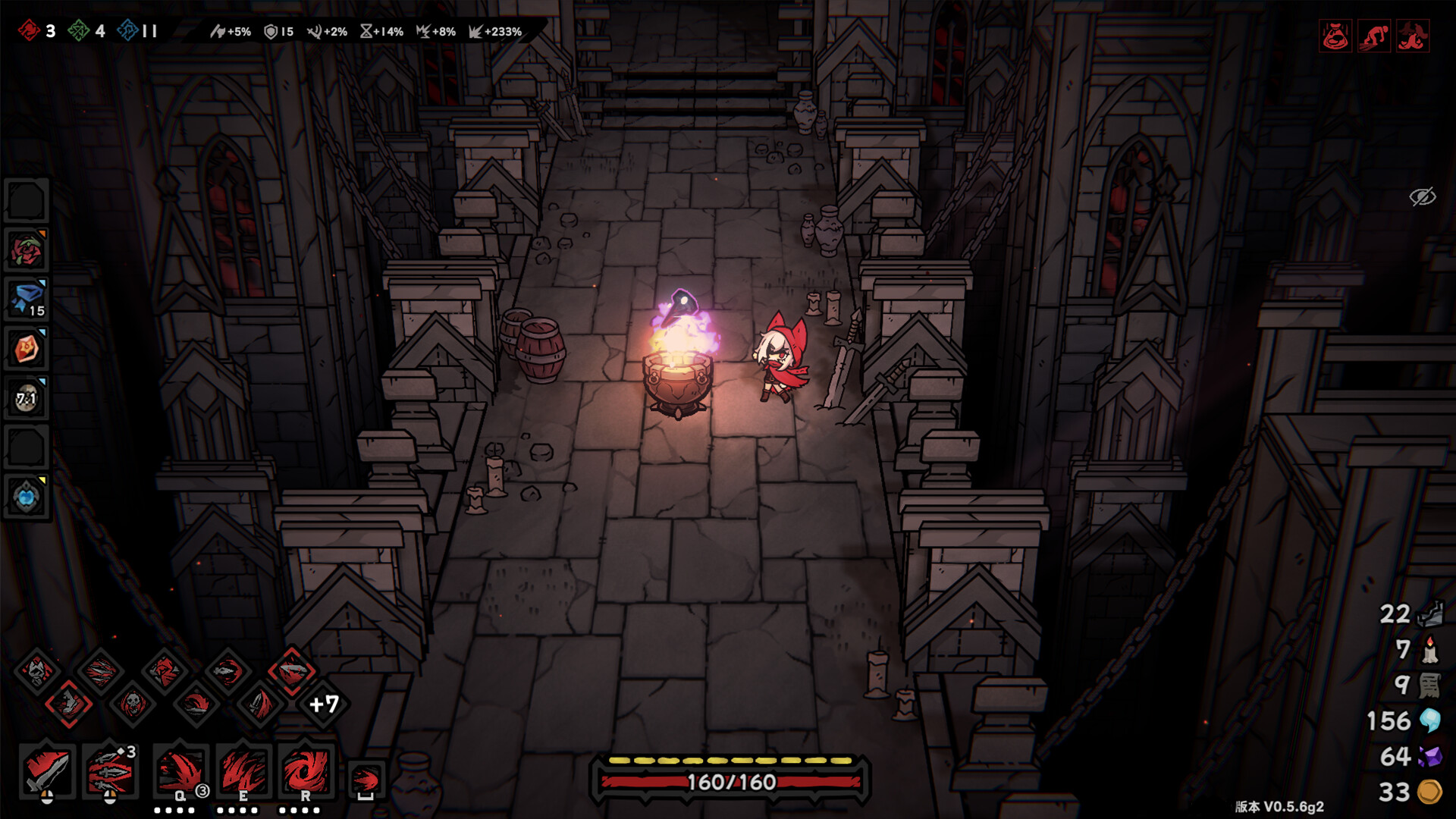
Cinderia uses a system combining “embers” and “spellcards.” You aren’t just picking up a sword with +10 damage. You are trying to duct-tape together a build mid-run. It’s messy. You will die repeatedly because you picked a spellcard that completely broke your attack rhythm, leaving you wide open. The game-feel is heavy, frantic, and punishing when you miscalculate. But when the RNG blesses you? When those embers line up perfectly with a cannon build? You turn into a walking meat grinder. It is an undeniable, intoxicating rush. You just have to eat a lot of dirt to get there.
Solid EA Build
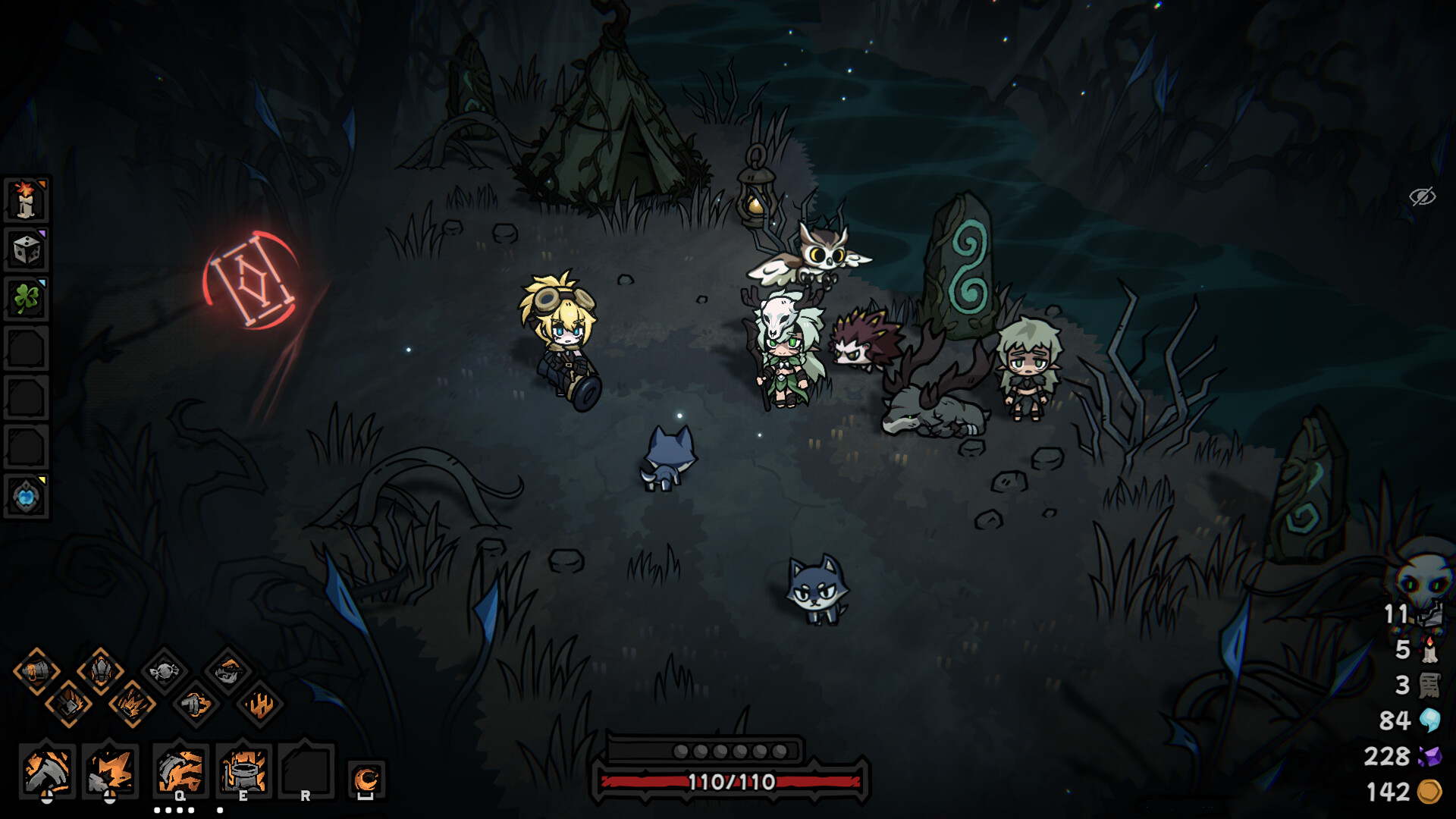
Cinderia handles the visual clutter surprisingly well. The art direction is gorgeous when the game is standing still. In motion, during late-game runs, it is a chaotic soup of particle effects. But, it’s a soup you enjoy and look forward to each run.
Then there’s the UI. Combining 130 pieces of gear requires a clean, intuitive menu. Cinderia, sadly, doesn’t have one. It’s clunky. Navigating your build on a controller feels like doing taxes with a joystick. It’s functional, but it lacks the frictionless polish of the heavy hitters in the genre. You will spend too much time squinting at stat screens when you just want to get back to shooting things.
Huge Potential
Cinderia is a brilliant, messy, over-stuffed sandbox. We’re not slapping a definitive score on this thing right now. It’s in Early Access, so any number we give you will be obsolete by next Tuesday’s patch anyway. Yes, the narrative is standard grimdark fluff you’ll completely ignore by hour two. Sure, the audio mix gets blown out. The gorgeous art may feel for some like it sabotages its own visual clarity during hectic fights. But the core mechanics? The sheer visceral joy of those spellcard synergies carries the whole broken package. It asks you to tolerate a lot of jank and menu bloat for the fleeting high of an overpowered run. Right now, despite the friction, the high is worth it.
ID Card
- Developer: MyACG Studio
- Publisher: MyACG Studio, NPC Entertainment
- Engine: Proprietary / Standard Industry Toolkit
- Platforms: PC (Steam)
- Genre: Action Rogue-lite
 Dev & Play Media
Leave a comment