
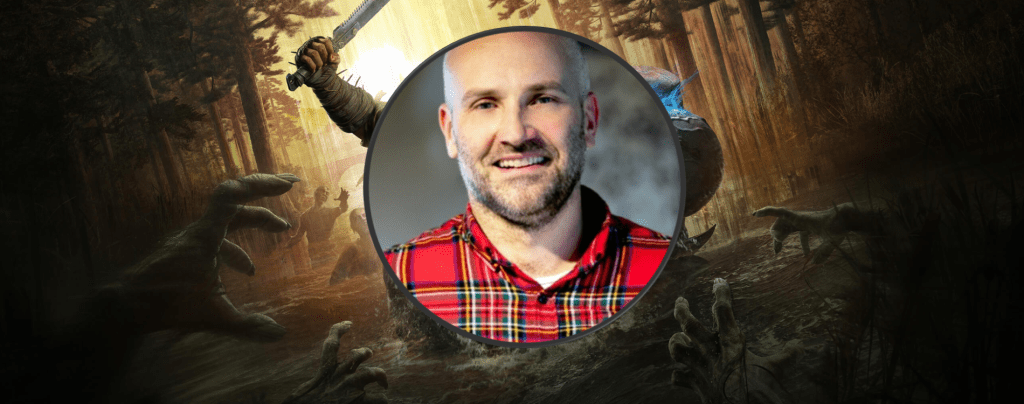
It has been a decade since players first parkoured through the zombie-infested streets of Harran. Now, Techland is bringing their iconic protagonist, Kyle Crane, back in Dying Light: The Beast, a standalone adventure that promises to push the boundaries of the series’ established survival horror mechanics.
Moving away from the sprawling, agile cityscapes of Dying Light 2: Stay Human, this new installment plunges players into the unforgiving wilderness of Castor Woods. But the environment isn’t the only thing that has grown wilder. We recently sat down with the development team to discuss the technical and creative hurdles of reviving a fan-favorite character, the terrifying evolution of the day/night cycle, and the deep psychological themes driving the game’s new mechanics.
At the heart of The Beast is a profound internal struggle. We started by asking Tymon Smektala what cinematic or literary touchstones inspired this central theme of taming an inner monster.

“This theme was something we all resonated with, both as storytellers and as players. It’s about identity – what happens when the line between human and a beast, a monster starts to blur. In terms of inspiration, there are many great pieces that touch upon similar topics – the classics like Dr. Jekyll and Mr. Hyde or one of the scariest films of my youth, The Fly, or even The Incredible Hulk – stories where power and transformation come with a price. But more than references, it came from us asking ourselves: how much of Kyle’s humanity can you take away before he stops being Kyle Crane? How do we want to present Kyle in this game, 10 years after the release of the first Dying Light? It was really a nice creative challenge.”
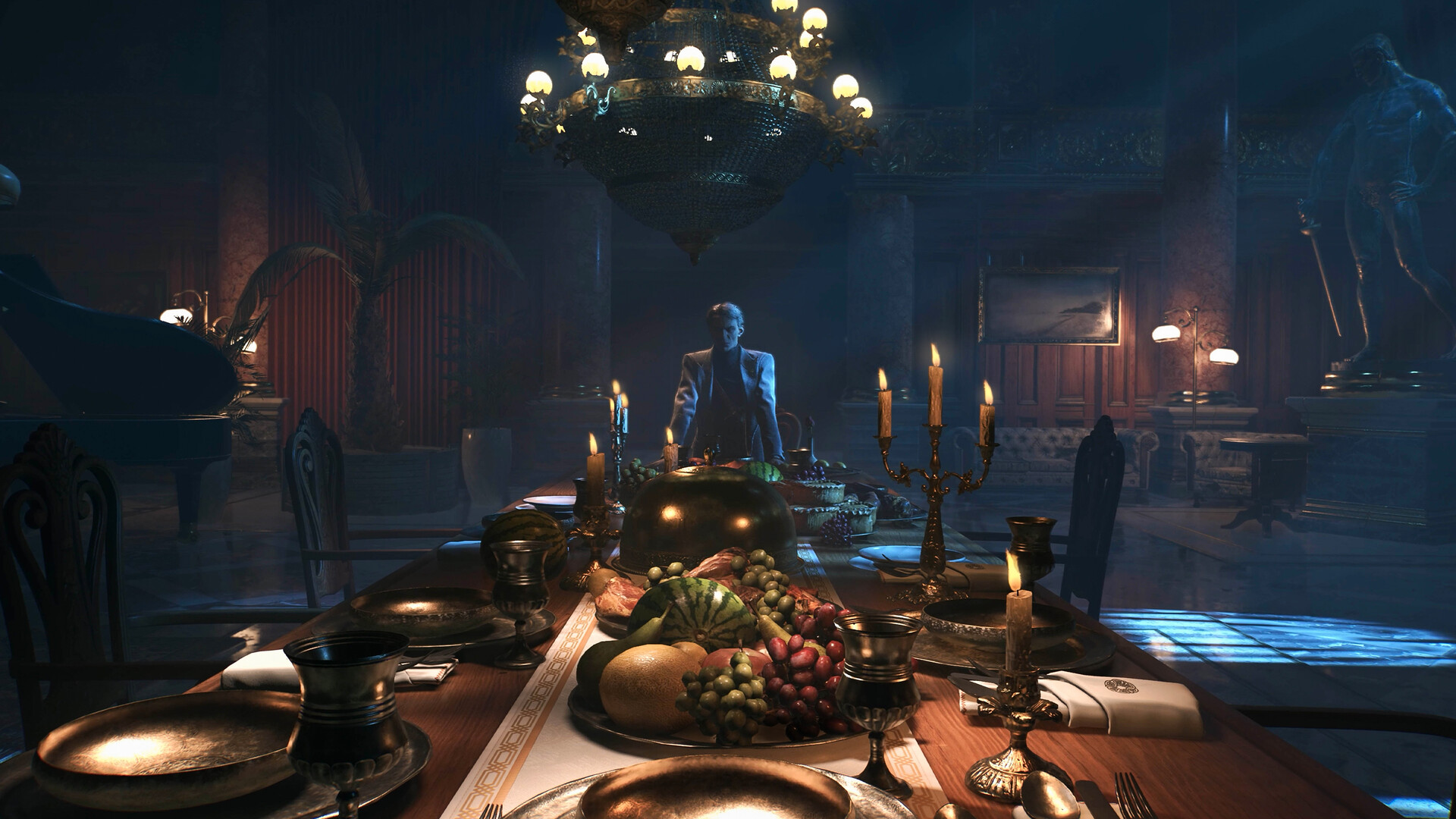
Implementing this duality wasn’t just a narrative hurdle; it required a significant mechanical overhaul. Creating a dual-playstyle system where a player switches between human and beast sounds incredible on paper, but we wanted to know about the technical and design challenges of making that transition feel seamless, balanced, and rewarding.
“It was one of the trickiest systems we’ve ever built, mostly because of the balance. The Beast Mode couldn’t just feel like a power-up – as we wanted to stick to the survival roots of the series. It also had to feel like an extension of Crane’s identity, something deeply tied to the narrative. And on top of that we didn’t want players to feel like they were switching between two separate games, so we spent literal months fine-tuning everything to make the transition as fluid as possible. But again, from a design perspective, the hardest part was balance – making sure that beast mode felt empowering but not overpowered. We always wanted it to feel like an immersive emotional outburst, not a gameplay shortcut.”
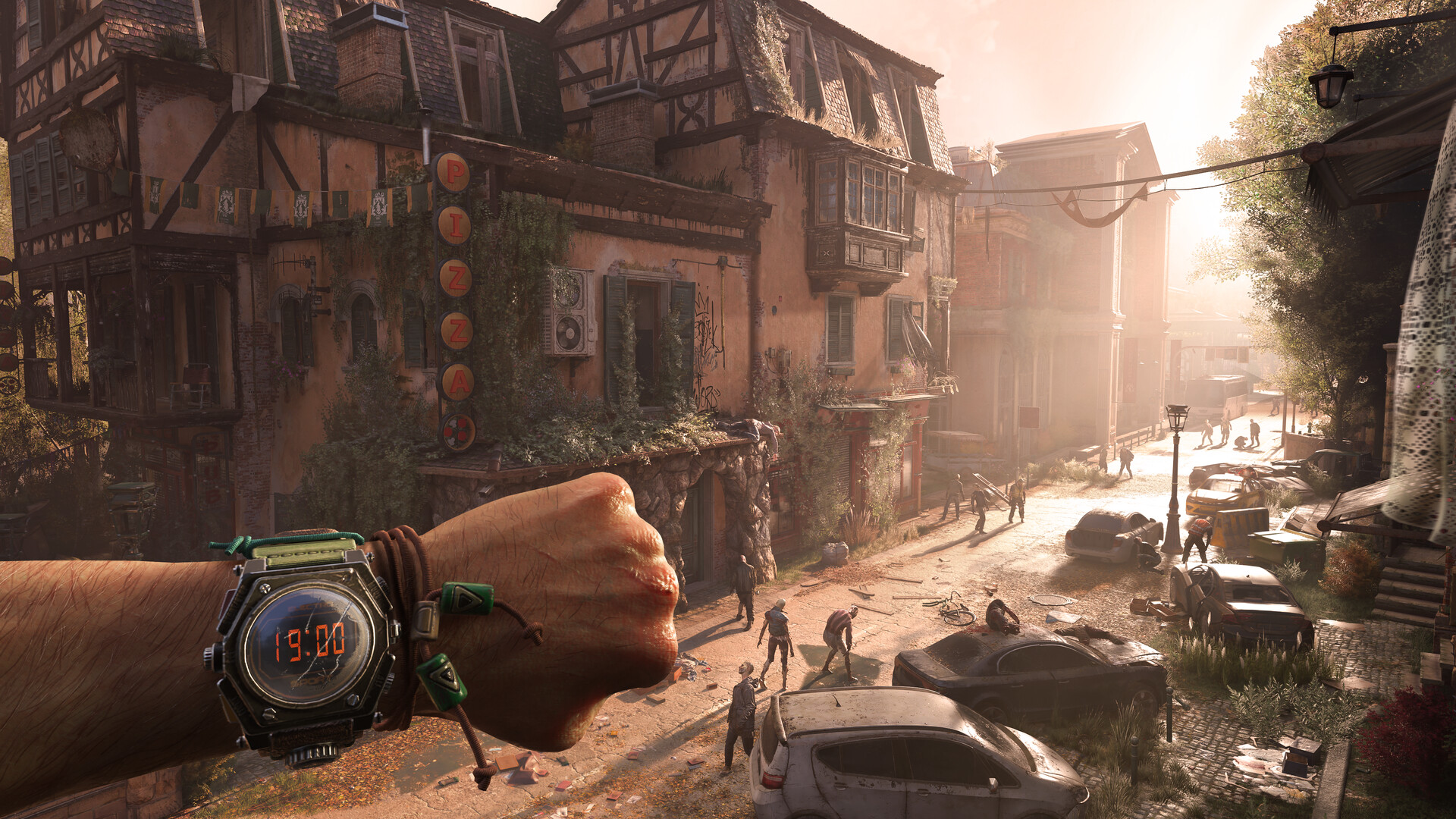
That emotional outburst translates directly into the game’s combat. During our hands-on preview, we experienced the mechanics as intensely visceral, pushing brutality to the absolute extreme. When asked to elaborate on the design philosophy behind this—and whether making this installment darker than previous entries was a conscious decision—the team was unequivocal.
“Absolutely, it was a very conscious decision. From the start, we wanted Dying Light: The Beast to feel rawer, heavier – more physical than anything we’d done before. Dying Light 2: Stay Human was action-focused, agile, almost acrobatic; Dying Light: The Beast is primal and impactful. Every hit, every strike needed to feel like you’re fighting for your life, not just clearing a combat encounter. We reworked the animation systems and hit reactions to make every impact resonate, both visually and audibly. And it’s not just violence for spectacle, it’s also violence for feedback – when you see all of that happening in front of you you understand that you actions work, that what you do makes sense in the context of the gameplay systems.”
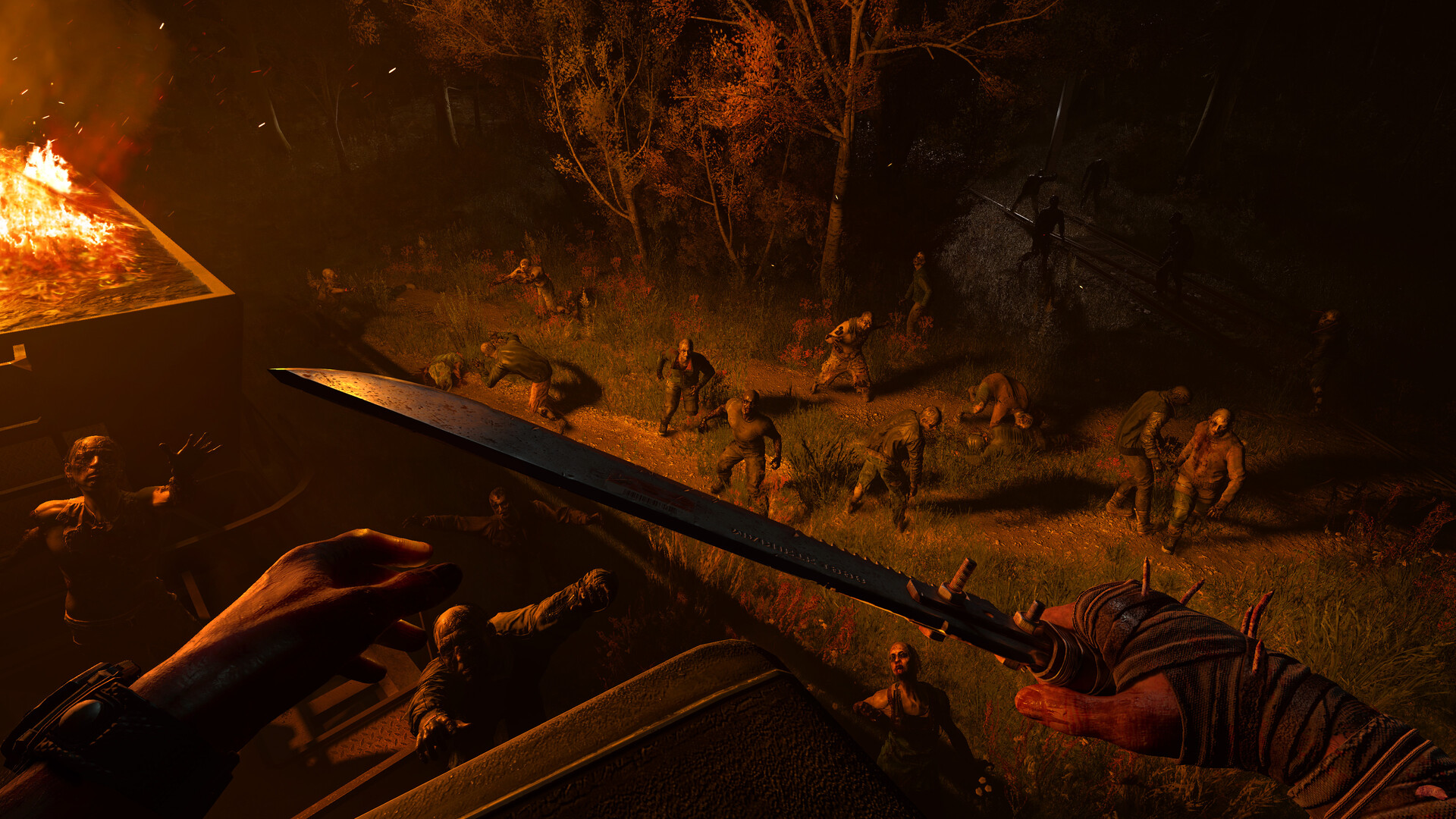
This heavier, more grounded approach to combat is matched only by the game’s oppressive atmosphere, particularly when the sun goes down. The series is famous for its terrifying day/night cycle, so we asked what drove the decision to evolve this signature feature, and how satisfied the team is with the terrifying new results.
“The day/night cycle has always been one of the defining pillars of Dying Light, so when we started work on Dying Light: The Beast, we knew we had to step up our game. This project is the culmination of everything we’ve learned over the past decade – and that meant taking the series’ most iconic feature and pushing it to its absolute limit. We approached it from two directions. First, we went back to the basics – to what made the original Dying Light nights truly terrifying. Darkness is real again. Your vision is limited to the narrow cone of your flashlight, and every shadow feels like it’s hiding something. It’s tense, grounded, and claustrophobic in all the right ways.
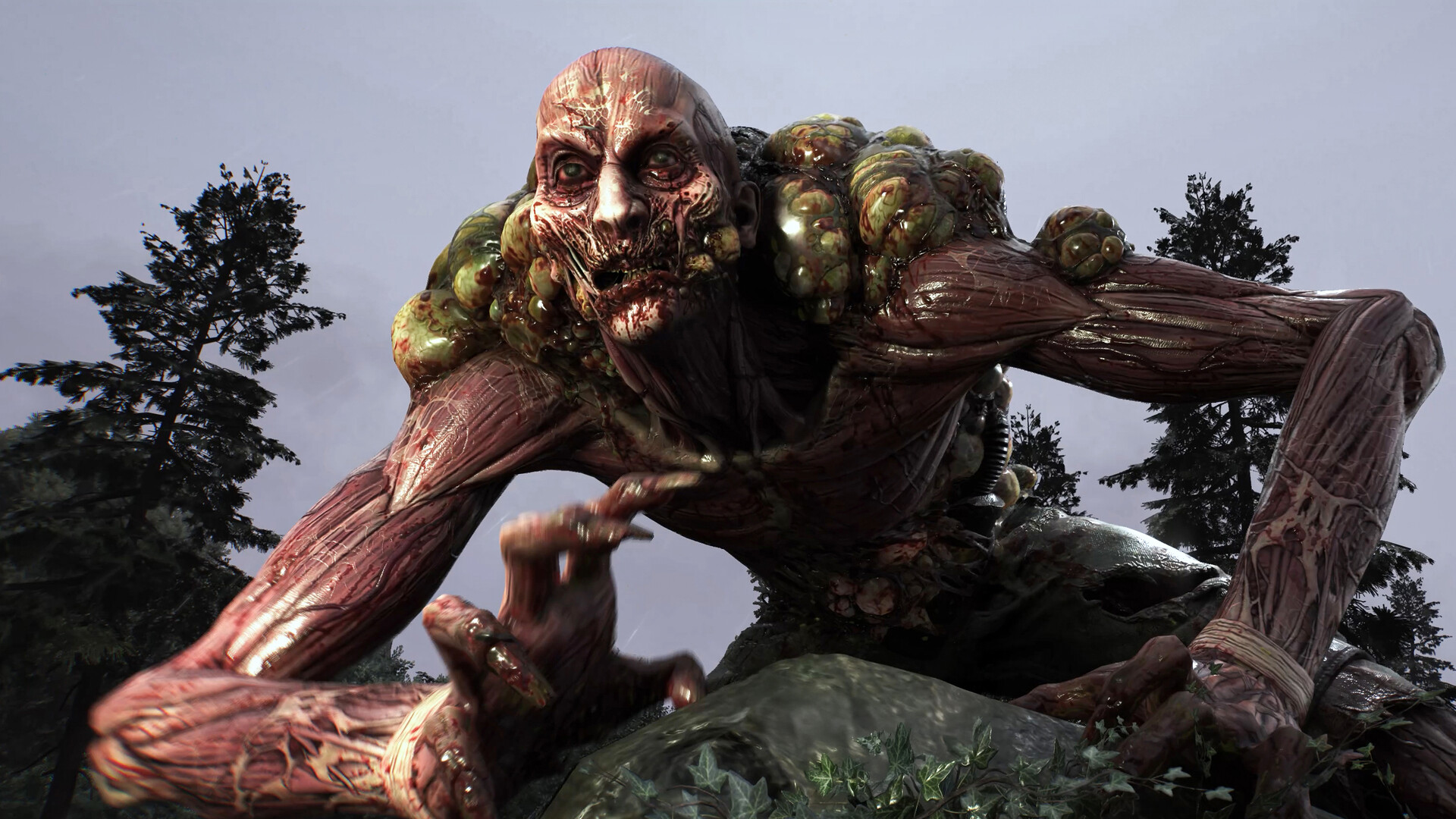
But we also looked forward. We completely overhauled the behavior of the Volatiles, making them smarter, more coordinated, and deadlier than ever. They now hunt in packs and communicate with each other. We also updated their visual design to make them even more intimidating. The result is the most intense night experience we’ve ever created – a blend of classic design and modern technology that keep players on edge from dusk till dawn.”
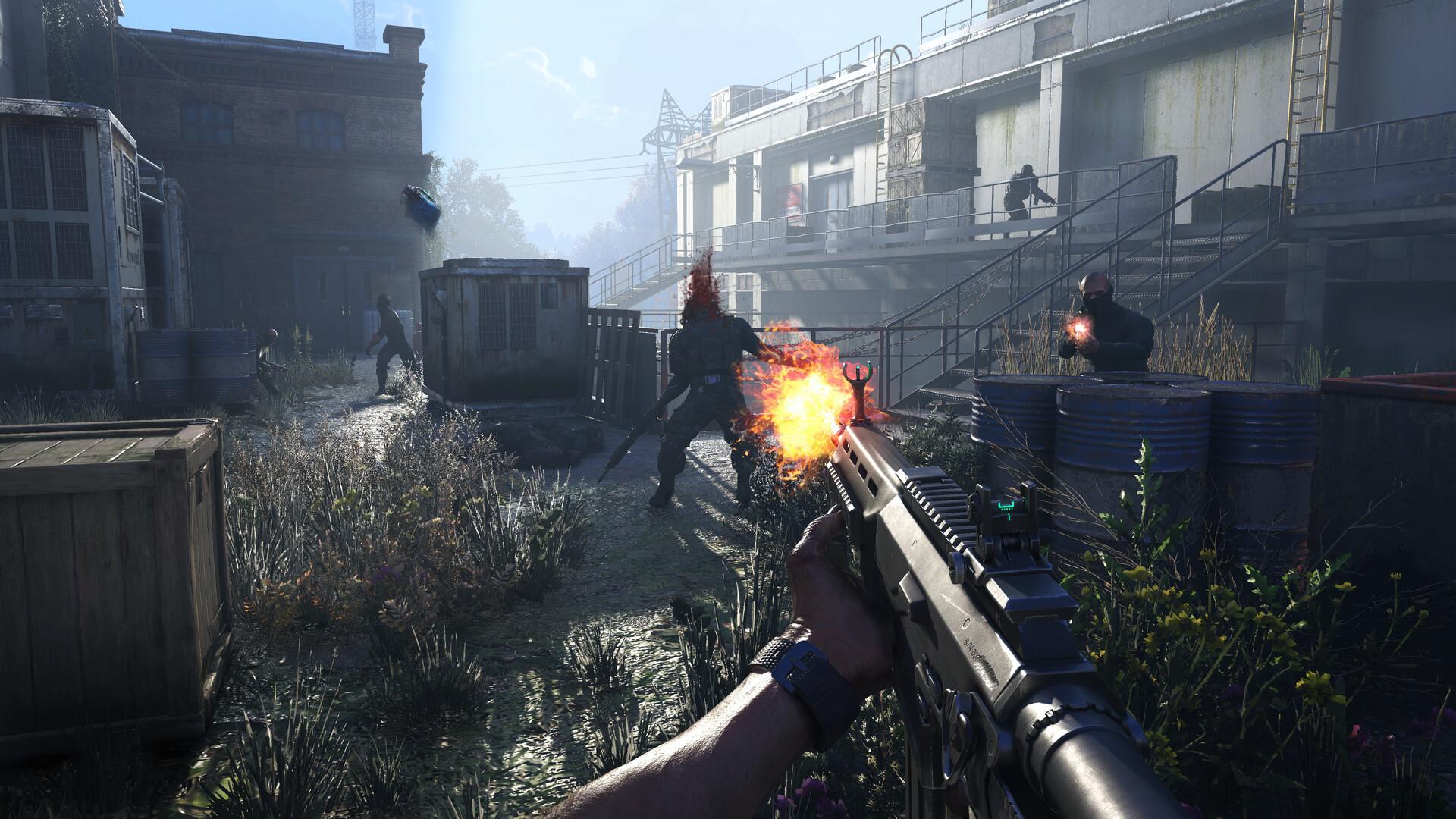
Surviving these smarter Volatiles will require players to adapt to a vastly different environment. Castor Woods introduces multiple distinct biomes, stepping far away from the dense urban playgrounds the series is historically known for. We inquired about the most challenging biome to design and how the team ensured each area felt unique while remaining a cohesive part of the open world.
“Castor Woods was incredibly important for us because it represents a completely new type of environment for the Dying Light series. Up until now, our worlds were always built around cities – rooftops, alleys, and man-made structures that naturally supported parkour. But this time, we wanted to see if we could make a Dying Light game work in a place where that kind of environment simply doesn’t exist – where nature sets the rules instead of concrete.
The biggest revelation was that it’s actually okay not to have parkour everywhere. In fact, it adds something powerful to the experience. When you’re in the middle of the forest, with no safe rooftops to climb and no streetlights to guide you, you suddenly feel exposed – vulnerable. And that sense of fragility fits perfectly with the survival horror tone of Dying Light: The Beast.
To make each biome distinct and memorable, we experimented with everything we had – from the visuals and soundscapes to the way enemies spawn and how loot is distributed. Every biome has its own mood, pace, and level of threat. Some areas are open and quiet, others are dense and oppressive. But the most challenging part of the entire process was learning to let go of our old habits – accepting that Dying Light doesn’t always need a perfect parkour route. Sometimes, the best tension comes from knowing you don’t have one.”
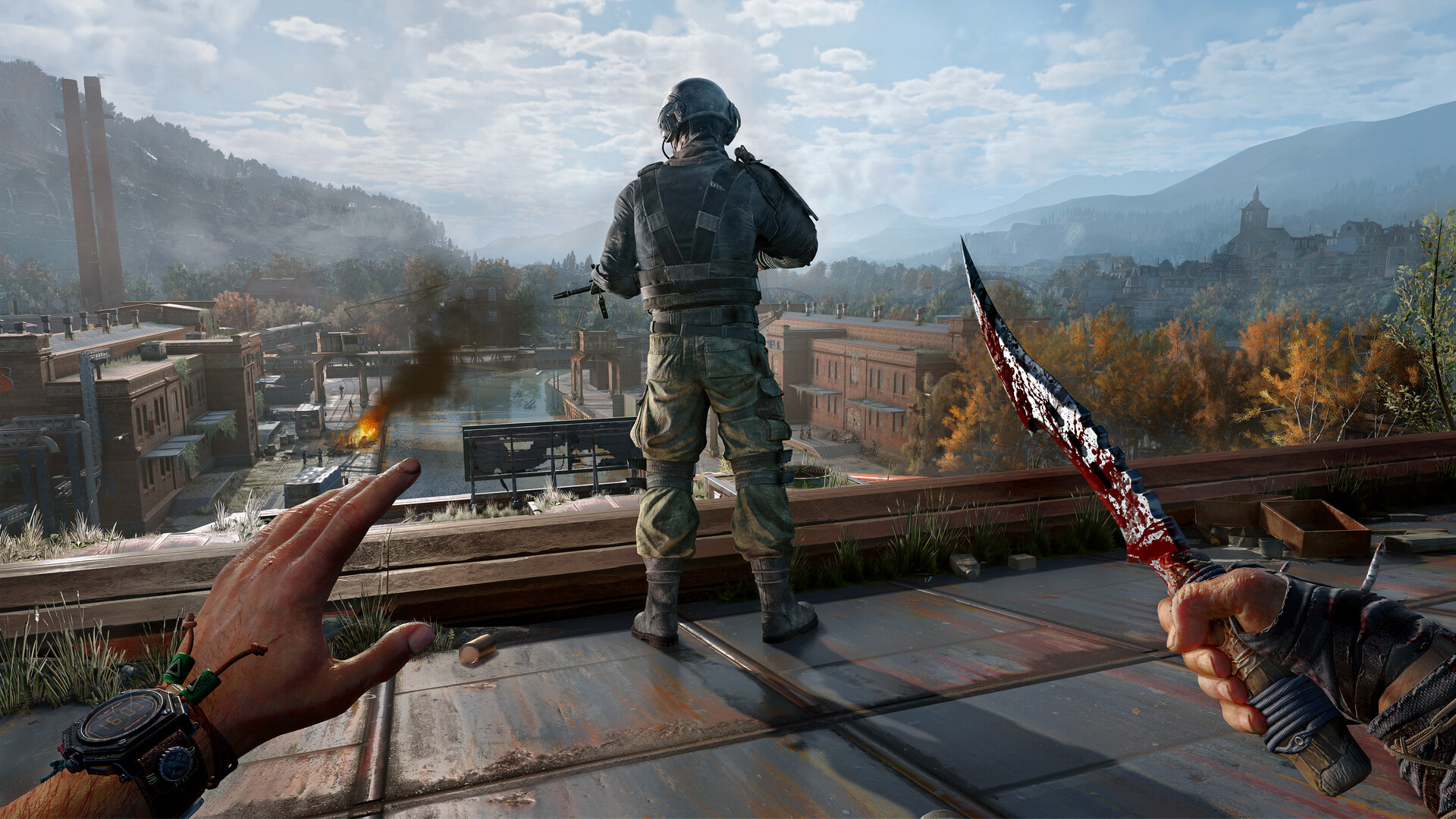
With such bold departures—like minimizing the franchise’s bread-and-butter parkour—one might wonder if the team had to abandon any grand ideas along the way. We asked if any features they were passionate about ultimately hit the cutting room floor during development.
“Actually, no – pretty much everything we planned for Dying Light: The Beast made it into the final game. From the very beginning, this was a focused production. We knew exactly what we wanted to achieve and which areas we were going to take creative risks in. When you’re making a game at this scale, it’s incredibly important to stay disciplined – game development is hard, and every new idea comes with a real cost in time and resources.
That’s why we decided early on to limit experimentation to just a few key areas – specifically, the new environment, the vehicle system, and of course, the beast mode. Those were our big innovation pillars, and we poured all our creative energy into refining them until they felt right.
Instead of chasing too many ideas and stretching ourselves thin, we focused on execution – making sure that every system we introduced truly added something meaningful to the experience. It’s one of the reasons Dying Light: The Beast feels so cohesive; it’s a game that knows exactly what it wants to be.”
Keeping a tight scope is crucial, but development is rarely without its surprises. Looking back at the project as a whole, we wanted to know the most unexpected hurdle the team faced during production.
“Honestly, it was the pressure. Bringing back Kyle Crane after a decade is no small thing – we knew exactly how high expectations were. The challenge wasn’t really technical, it was emotional. We were constantly asking ourselves, “Are we doing him justice? Are we doing the fans justice?” That weight was both a motivator and a stress test. There were nights where the studio lights were still on late because someone wanted to fix a single animation or line of dialogue. But that’s also what defines Techland – we care deeply about what we’re making, and about the players who’ve been with us for ten years.”
That dedication to the craft and the community is something many emerging creators aspire to emulate. To close out our conversation, we asked for a piece of crucial advice for aspiring developers tackling ambitious open-world survival horror games, and the most important lesson the team has learned about balancing innovation with fan expectations.
“The most important thing is knowing what your game is. Not just what it does, but what it feels like. And I actually mean it in two ways. First – you can have all the systems and mechanics in the world, but if players don’t get that special feel of gameplay – it’s just systems and mechanics, not a good game. And second – the connection. If players feel fear, hope, desperation, tension – then you’re onto something. So build your games and worlds around emotion, not just technology. As for lessons learned – for us it’s about balance and looking at the details. Innovation means nothing if it alienates your core audience, but stagnation is just as dangerous. What worked for us with Dying Light: The Beast was returning to what we knew fans loved – the scary nights, the parkour, the melee combat – and then finding one bold new twist to push things forward. Respect the past, but never repeat it. That’s how Dying Light continues to evolve after ten years.”
Dying Light: The Beast is shaping up to be a fascinating evolution for the franchise, proving that sometimes to move forward, you have to embrace the dark, primal roots of your past.
Article originally poblished on it.mk
 Dev & Play Media
Leave a comment