
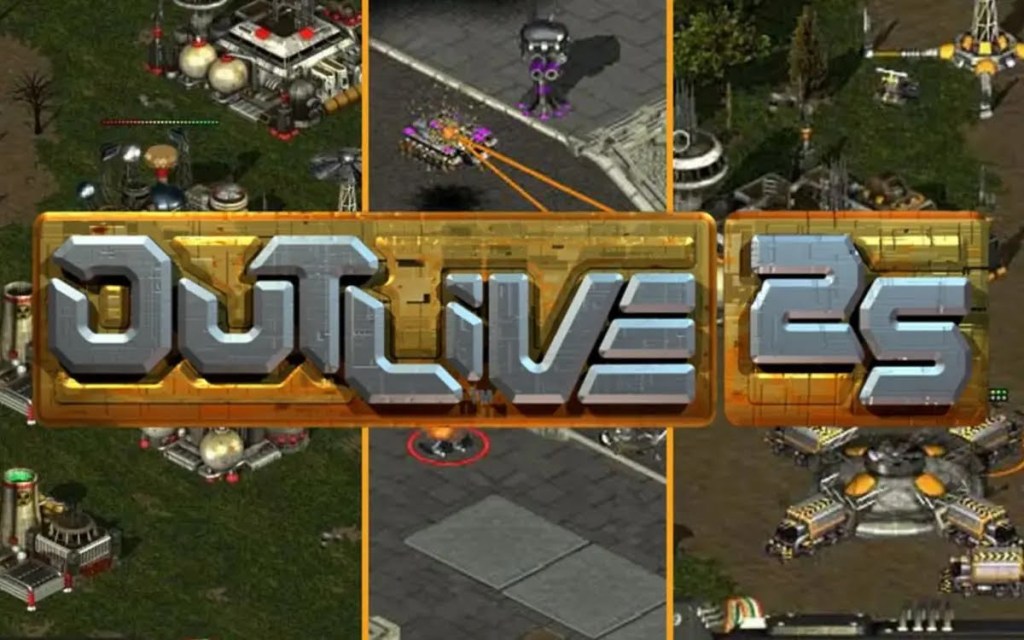
As people who were born in the ’80s, we grew up with amazing RTS games. Those were our jam, and we remember spending many nights in Red Alert, Generals, Age of Empires, Sudden Strike, and many others. Those games looked great and had simple, yet super fun mechanics. In case it wasn’t obvious, we miss strategy games like those. Sometimes we just want a simple experience—no crazy fast clicking and no stress. Just building a base and blowing things up.
Outlive 25 gives us exactly that. It is a remaster of a game from 2000. The graphics look cleaner, but the core game is still very old-school. It doesn’t pretend to be something new; it is just another chance to play an oldie but goodie.

You will love this classic if you’re into:
– Resource Management
– Tech Progression
– Automated Management
– Covert Ops
Bad Pathing and Big Explosions
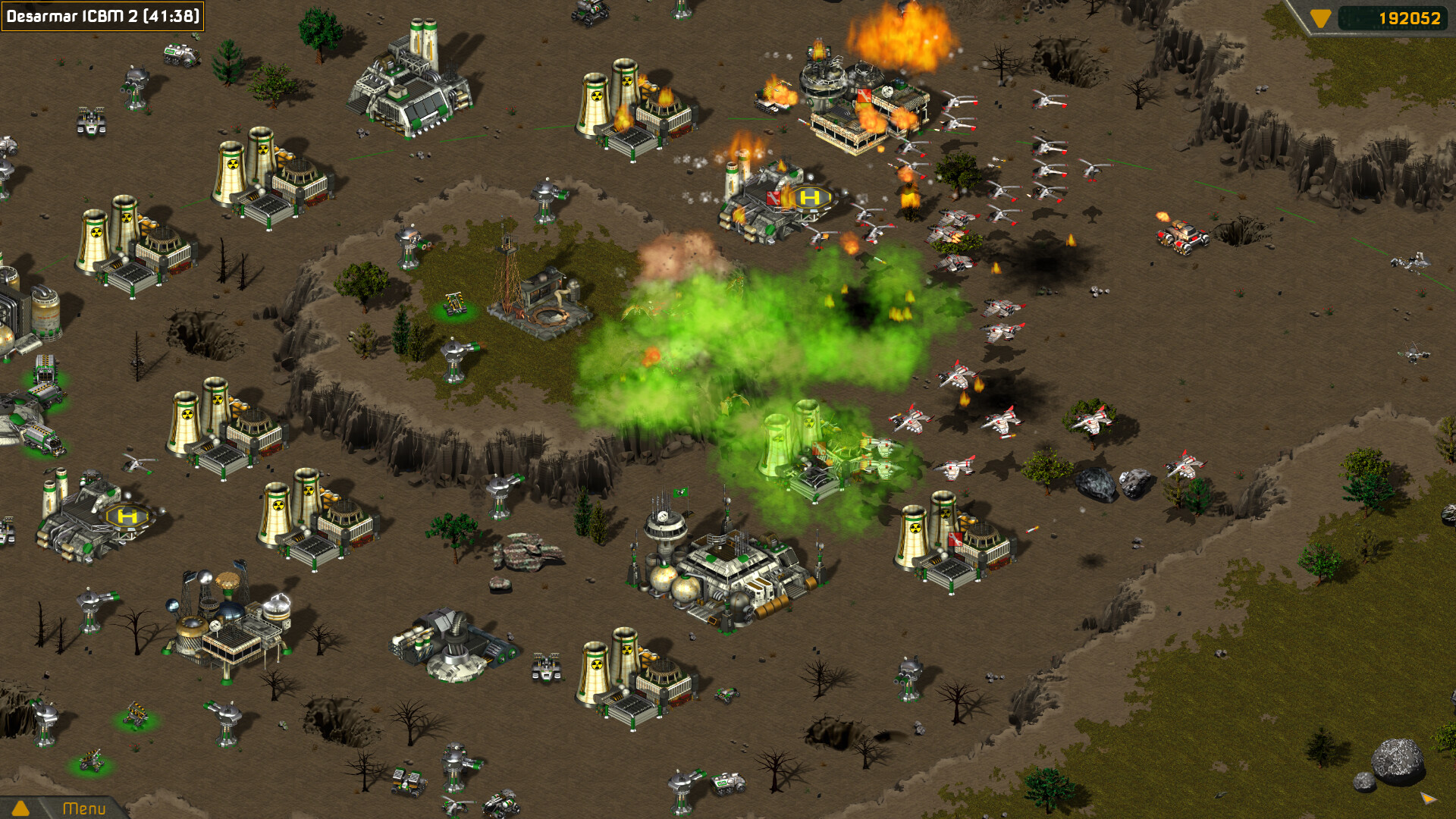
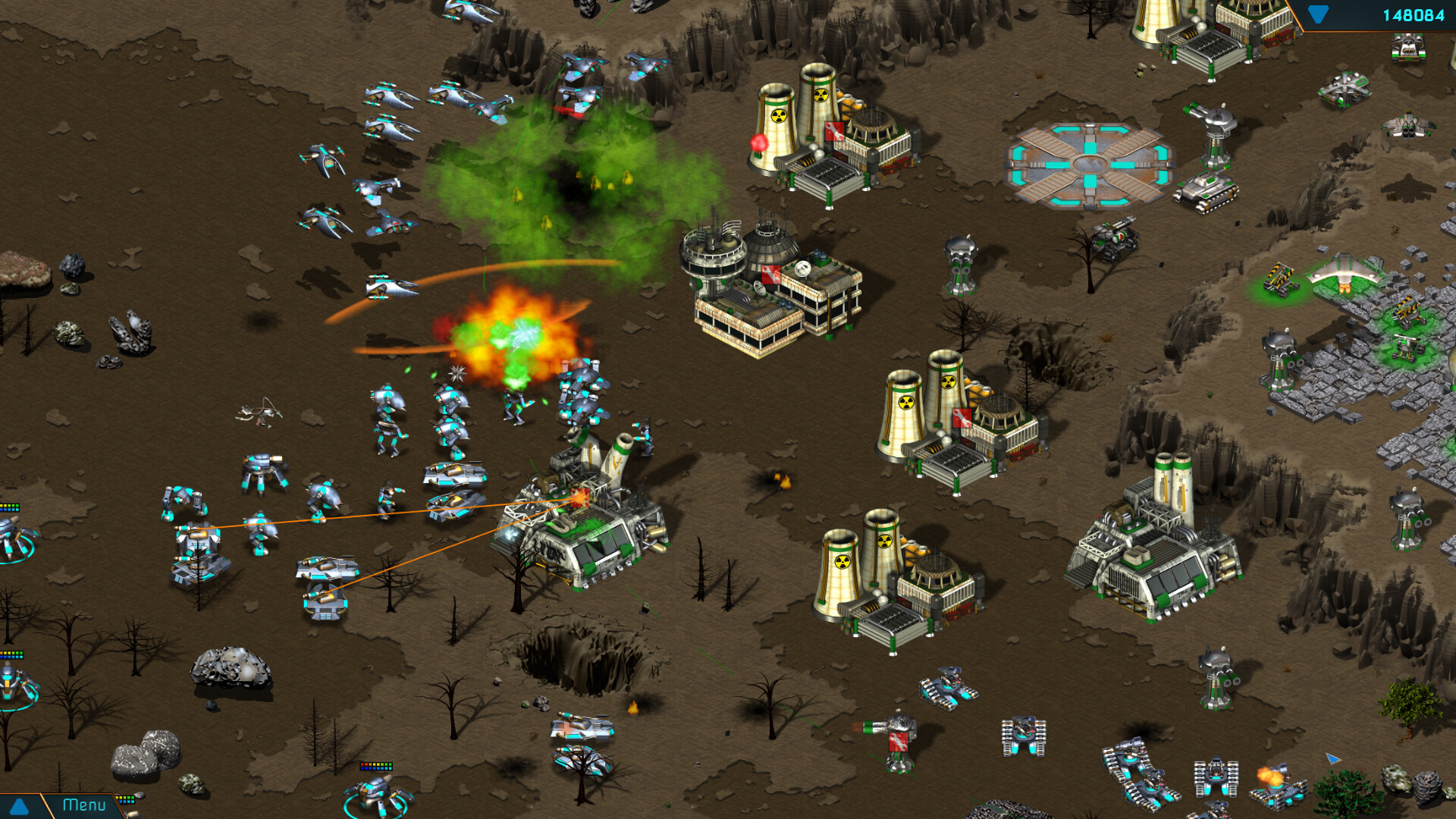
This is a standard, classic RTS where we pick between humans or robots and build a base by gathering key resources. Because it is an old-school title, we run into classic headaches as well, like pathfinding issues. We noticed that our resource gatherers, if left to their own devices, will sometimes get stuck on a random rock forever. We definitely weren’t fans of that. However, once we used the tools the game provides—like the special AI guiding tools— the game became much better and everything clicked into place.
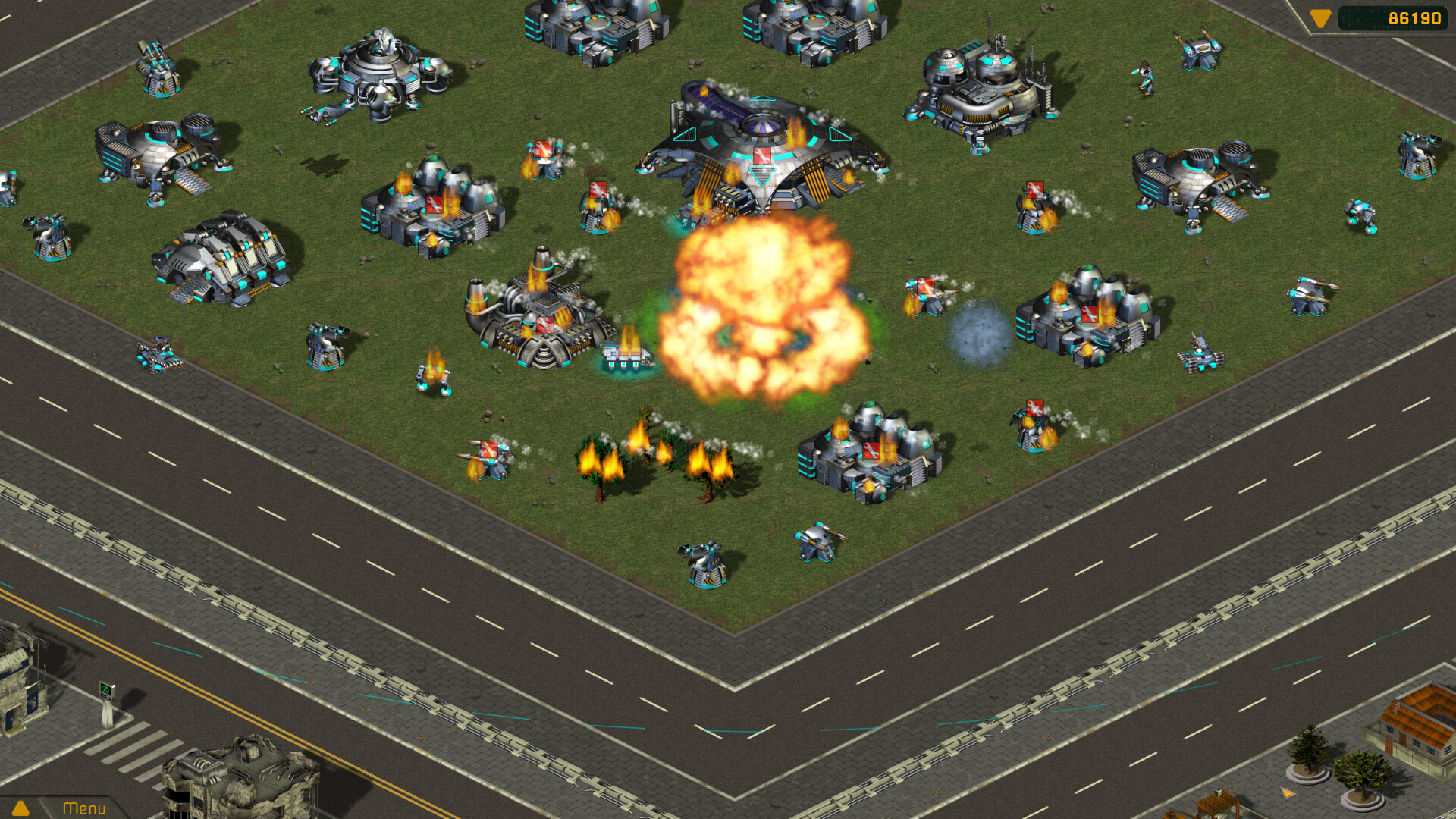
The customizable unit AI is surprisingly good. We can set tanks to hold a spot or guard the base, and they actually do it. We don’t have to babysit them all the time. Instead, we manage the research tree. It is a simple system where it is imperative to upgrade weapons. This was not our focus at first, so our early matches ended quickly with us sulking in front of the defeat screen. We also loved playing the “spy game.” Sending a scout to peek at enemy bases so we didn’t get hit by a surprise missile was always a highlight.
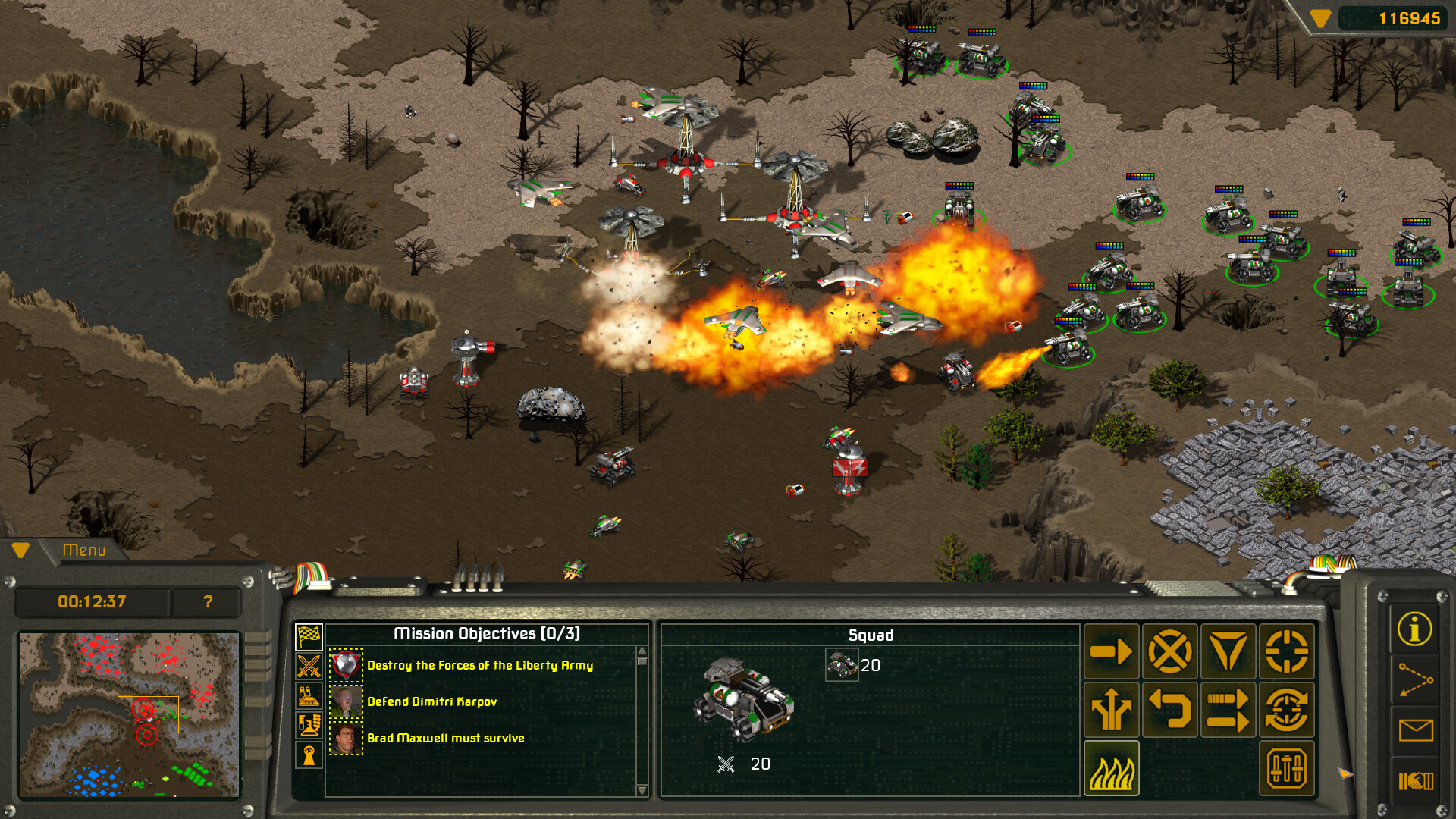
Online matches can hold up to 16 players. We, sadly, were unable to test the multiplayer ourselves, but we saw a video or two and it looked like pure chaos. That seemed like a bit much for us, as we prefer to take it slow and keep our already fragile egos somewhat preserved. Some people are insanely good online; they use every second to make alliances just so they can break them three minutes later to backstab a buddy. Some people just like to watch everything burn. We do too—just not if it is our base that is burning.
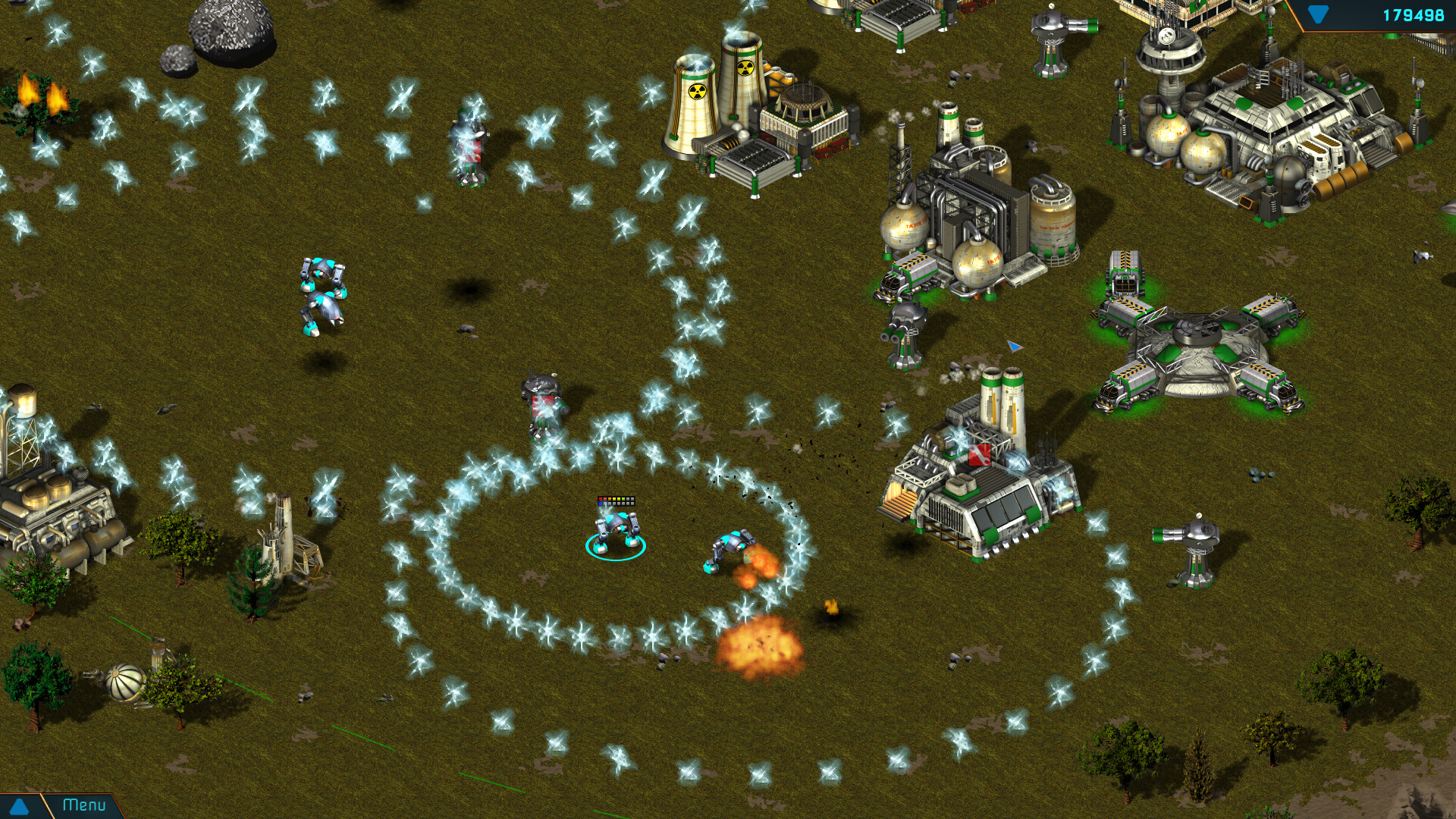
Regardless, the maps, buildings, and units look sharp and well-executed. Even after all this time, it still feels amazing to lose ourselves in a lovely StarCraft alternative.
The original Outlive was huge in Brazil. It was sold on CD-ROMs inside gaming magazines.
The original developers got back together after more than twenty years to freshen things up, adding Steam multiplayer, a better map editor, and replays.
The 2000 release had full Portuguese voice acting. That was very rare for a strategy game in South America at the time.
Old But Good
We don’t always need massive changes in our games. Sometimes, an old strategy game is exactly what we need for a break. The single-player campaigns are solid, the map editor is great, and the devs fixed the balance issues before launch. It’s a fun, slightly messy trip to the past that actually works. We are glad the developers didn’t give up on this strategy gem and decided to breathe new life into it!
ID Card
- Developer: Continuum Entertainment
- Publisher: CriticalLeap
- Platforms: PC (Steam)
- Release Date: April 30, 2026
- Genre: Real-Time Strategy (RTS)


Leave a comment