
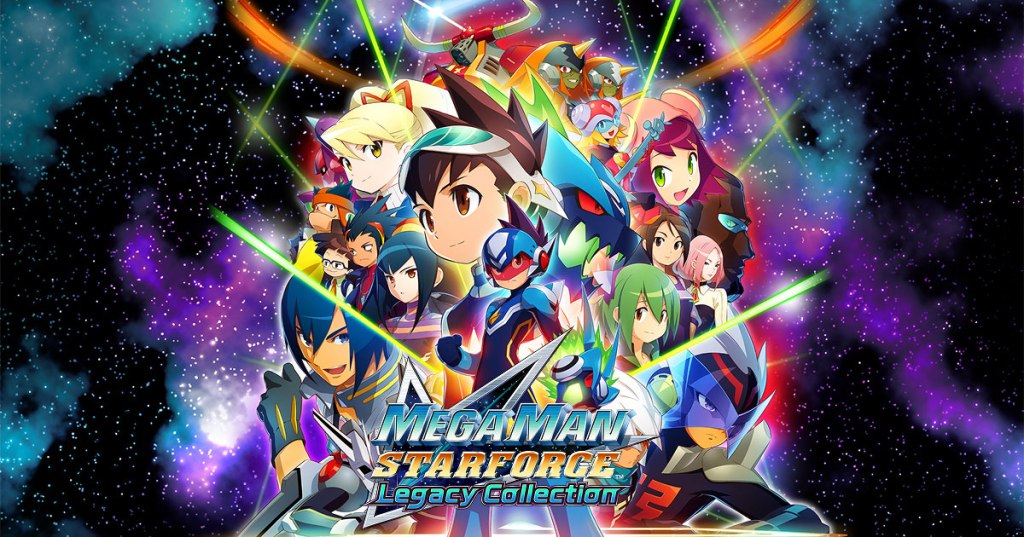
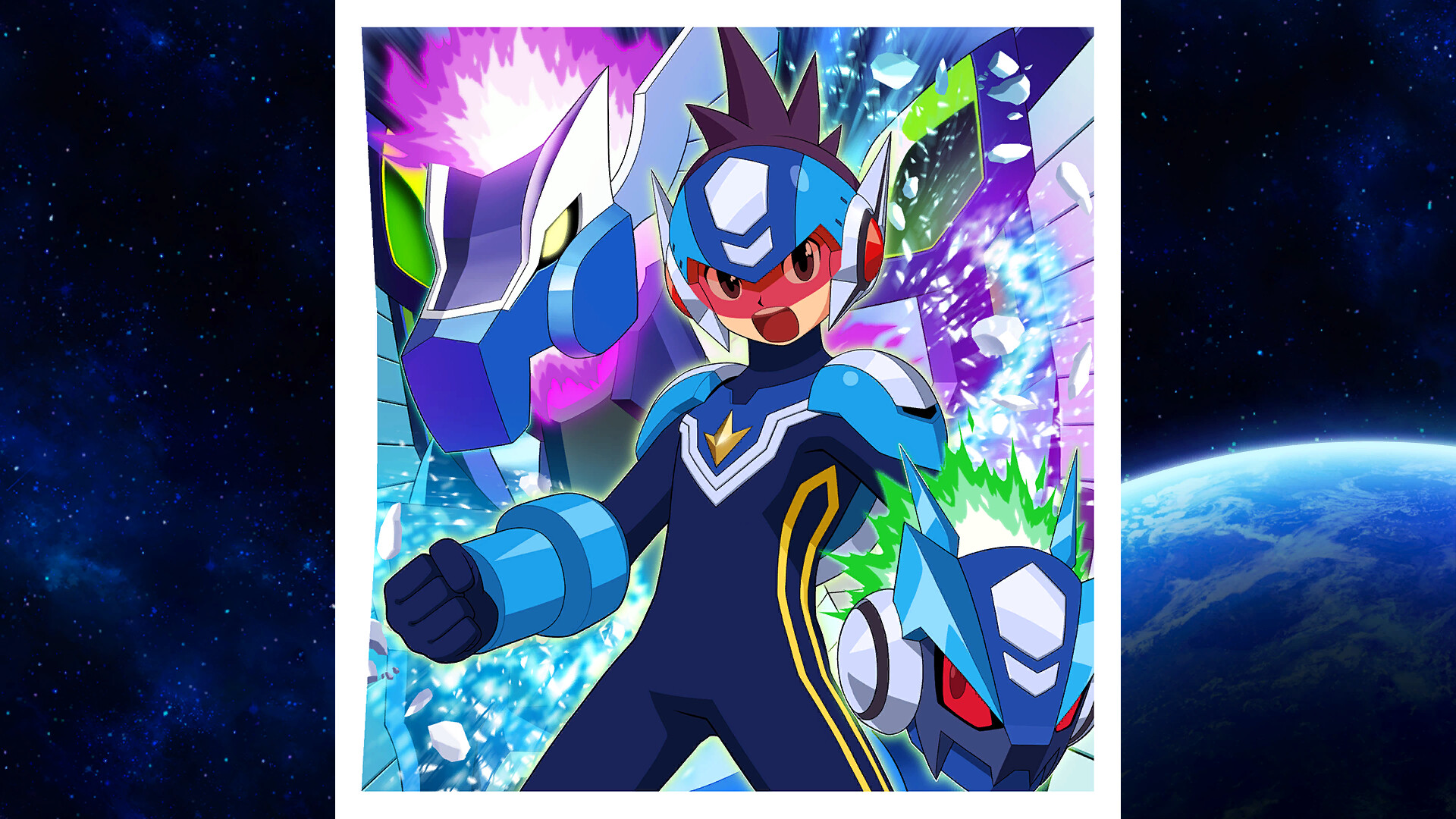
This collection surprised us. Nobody actually thought Capcom was going to remember Geo Stelar existed. For years, the Star Force kids were the neglected middle children of the Mega Man family. Well, your time has finally come. Seven games. One package. A whole lot of touching electromagnetic grass. But before you get teary-eyed over booting up Pegasus in HD yet, it’s important to know what it actually feels like to play a dual-screen Nintendo DS game crammed onto a 4K monitor. It’s messy. It’s glorious. It’s exactly what you expect from a modern Capcom port job.
Review code for this title was kindly provided by CD Media.
On the fly details:
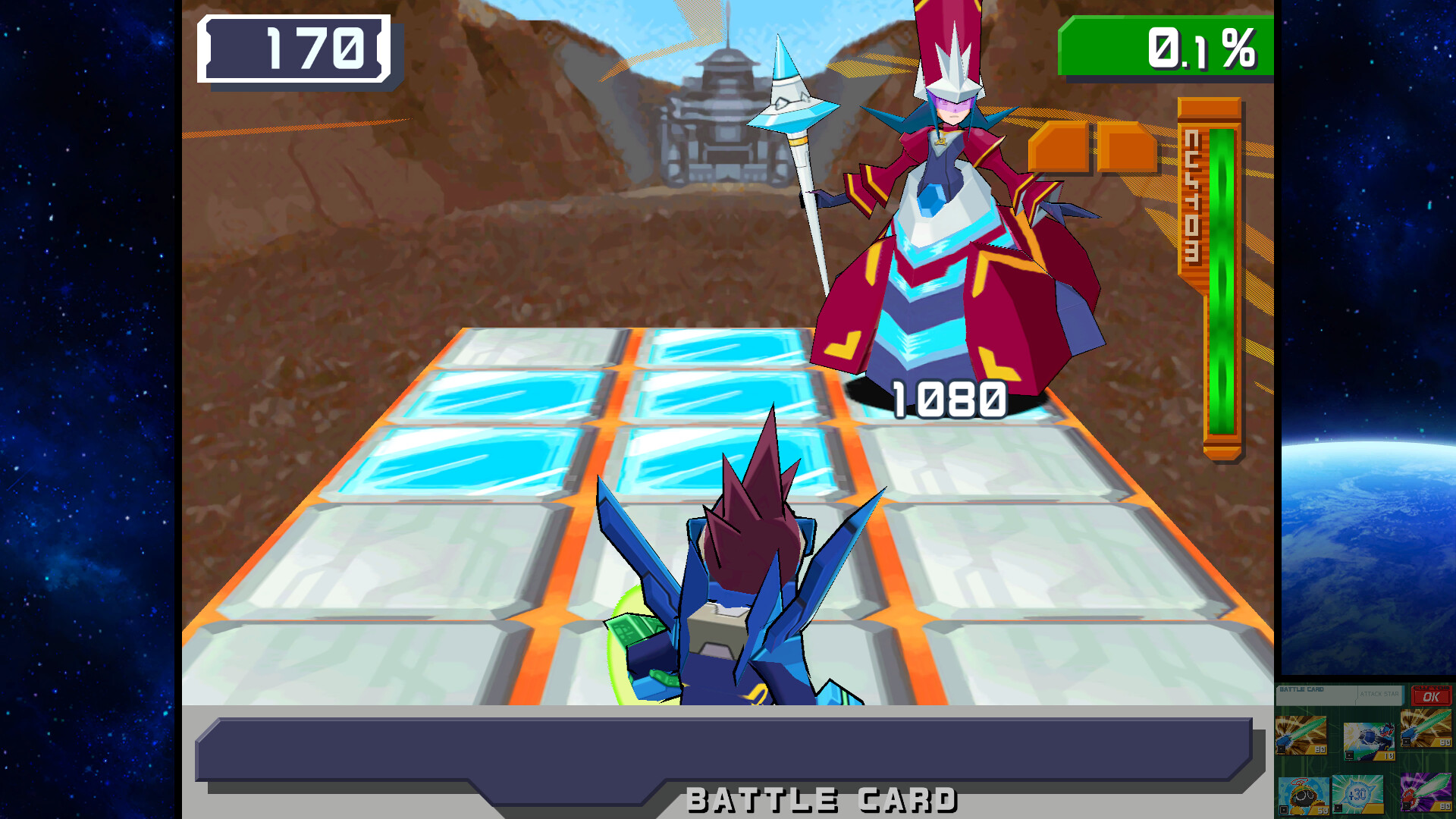
- Over-the-Shoulder Grid Combat: Real-time action combat restricted to a 3×1 horizontal movement grid, forcing reliance on shields and lock-on targeting.
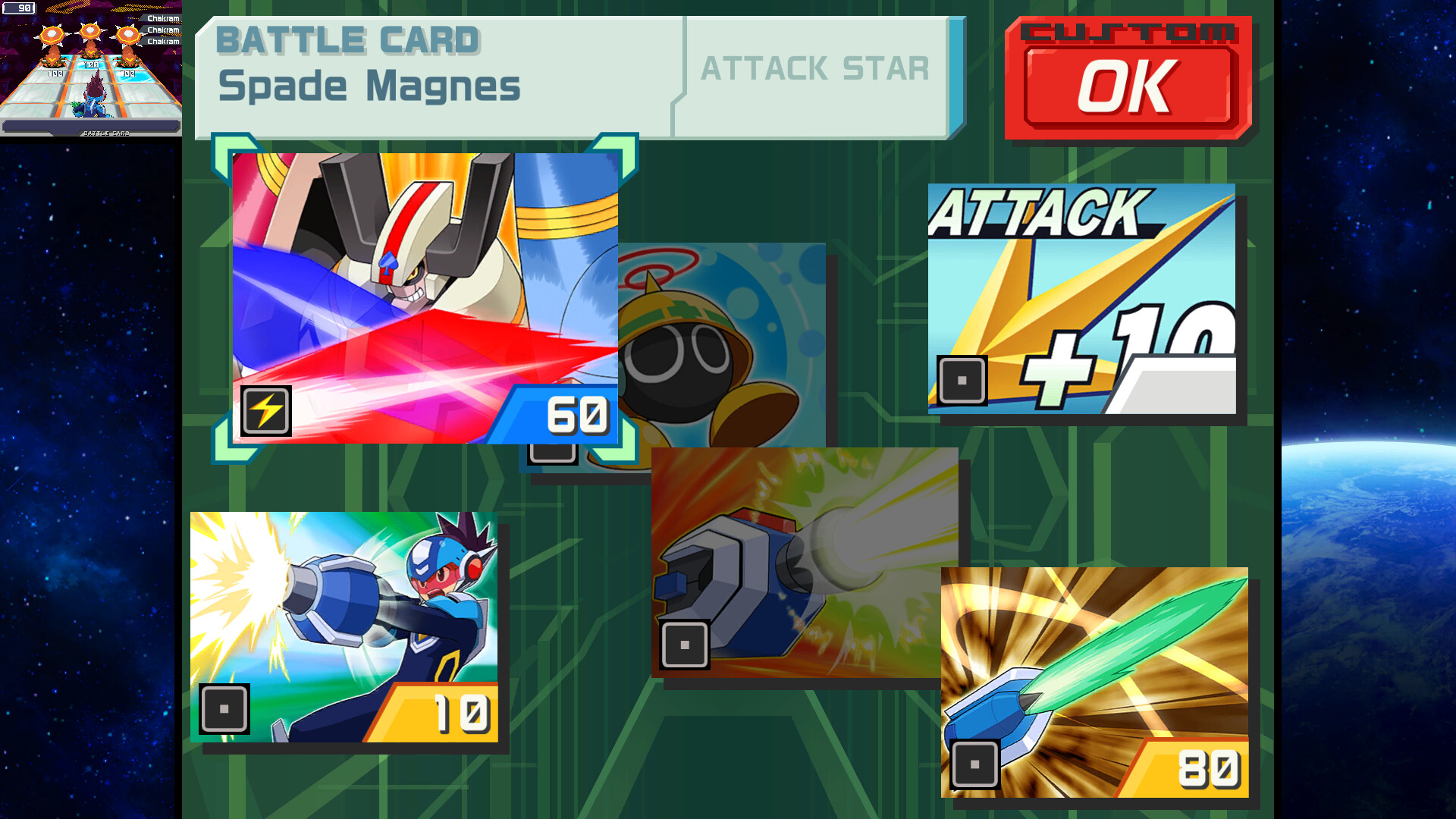
- Battle Card Deckbuilding: You build a “folder” of chips. These chips, known as Battle Cards, are drawn randomly during combat. They allow you to execute special attacks and heals.
- Quality of Life Modifiers: Toggleable settings for meeting rates, instant max buster damage, and autosaving to bypass legacy grinding.
Building a deck of cards and dodging attacks on a tiny grid
Star Force took the beloved 3×5 combat grid of Battle Network and violently chopped it down to a 3×1 row. You view the action from over Geo’s shoulder. It feels incredibly claustrophobic at first. You have nowhere to hide. But this makes the whole combat to truly shine. To a point that you simply can’t get enough of it! Because you can’t just run away, you have to use the lock-on mechanic and your shield. It forces an aggressive rhythm. A rhythm that never gets boring. In case it does game boring, there’s a backup plan.
Crank the speed boost!
The whole collection finally respects your time. Capcom knows you are a thirty-something with a job. You might even have a mortgage (god-forbid). They understand you have zero patience for early-2000s JRPG grinding. Hence, the sliders for encounter rates, damage reduction, and max buster power are an absolute godsend. So, of course you will turn off the random battles when you just want to get to the next boss. Who wouldn’t? This creates a breathing room, letting you play with the collection the way you want to.
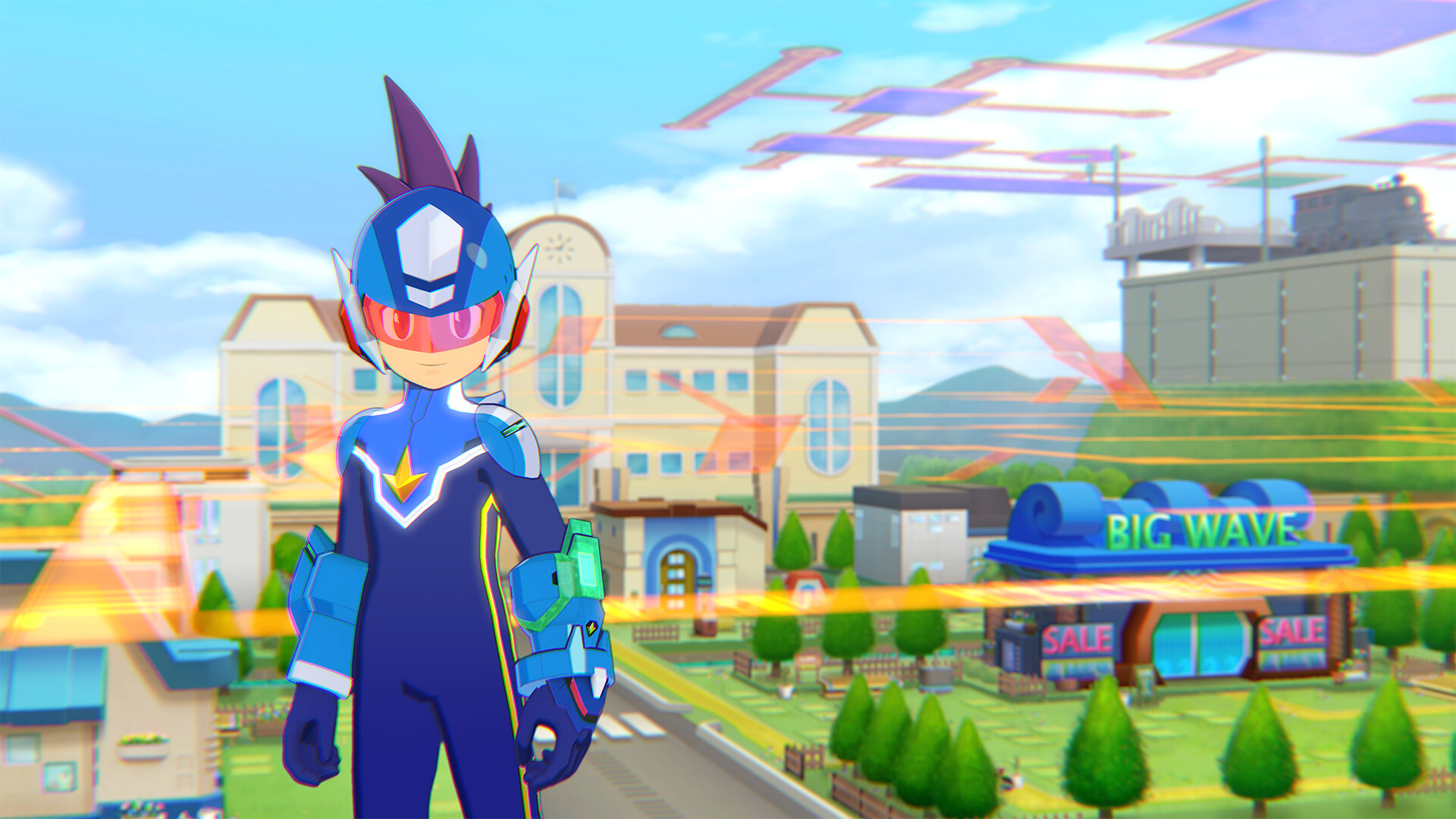
Drop of history lesson for the uninitiated!
Capcom has this emulation wrapper down to an absolute science. They’ve been strip-mining their Game Boy Advance and DS catalogs for half a decade now. They know the drill.
Back in 2006, this franchise was a desperate attempt to keep the Battle Network cash cow alive. The original dev team took a massive risk. They pivoted to 3D models for combat. They also shifted the narrative to space aliens and wave technology. It alienated a huge chunk of the old guard. Sales dropped off significantly by the time Star Force 3 hit shelves. Now? It’s a cult classic getting the premium museum treatment. Capcom is the perfect studio for this. They are reusing the same UI and emulation backbone from the Battle Network collection. They aren’t reinventing the wheel. They’re just swapping the tires.
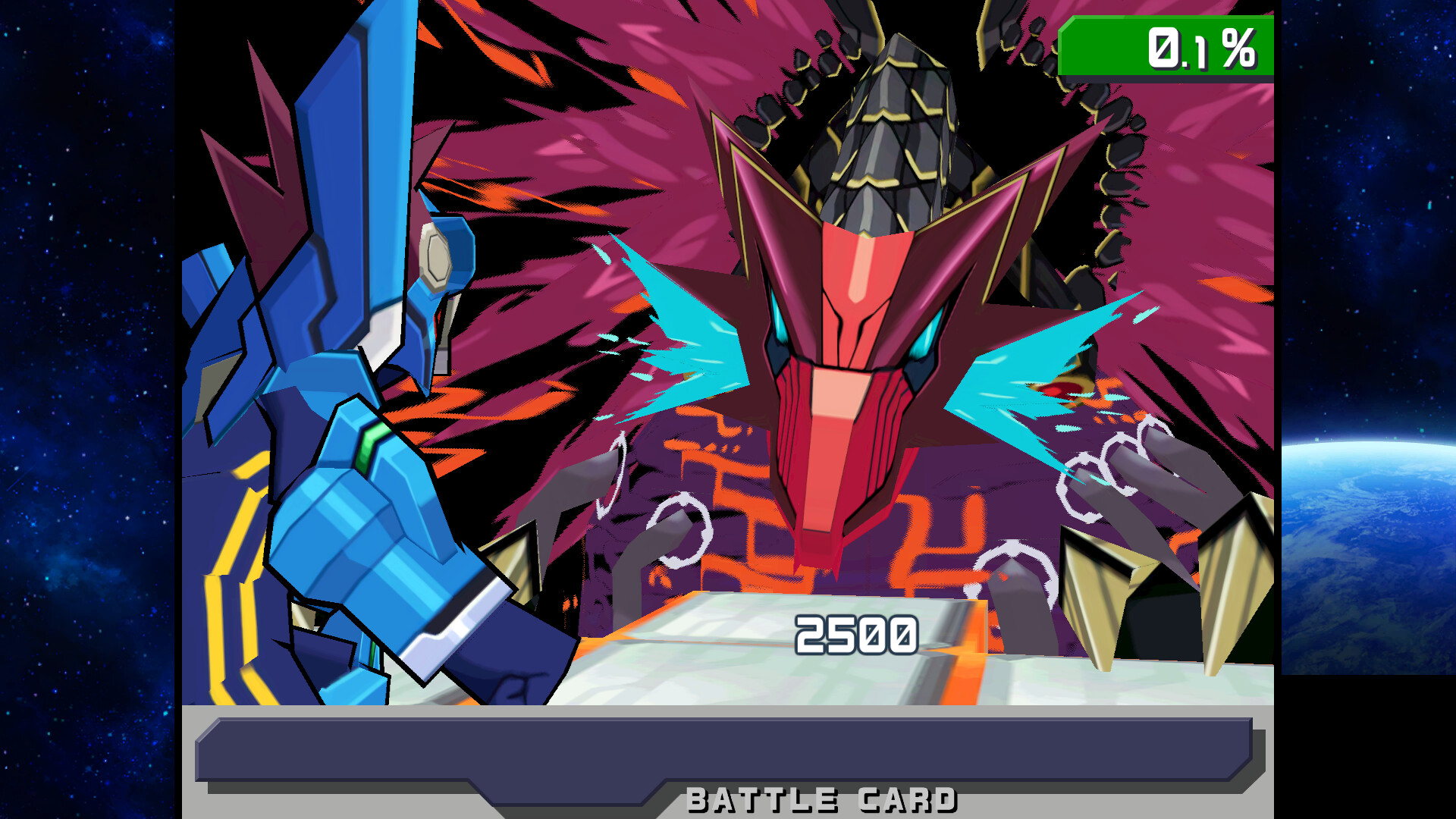
Playing a game built for two tiny vertical screens on a massive 16:9 monitor
This always sucks. There is no getting around it.
Capcom gives you a bunch of “Screen Layout” options, but you’re still choosing your poison. You have two main issues. Either you play with a massive, distracting black border. Or you cram two uneven boxes next to each other on the screen. Navigating the original touch-screen menus with a mouse or a controller thumbstick feels incredibly clunky.
Then there is the “optional graphics filter.” Turn it off. Instantly. I am begging you. It doesn’t make the game look modern. It just smears vaseline all over the original pixel art. It looks terrible. The game runs flawlessly on potato hardware, which is expected. However, the refusal to include cross-platform play is a death sentence for the multiplayer. Friend matches are fine. However, segregating the player base across platforms is a massive unforced error. This segregation occurs in an era where cross-play is the standard.
Hey, did you know that:
- The original Star Force games utilized the Nintendo DS microphone. They also used the touch screen. These mechanics had to be heavily remapped to standard controller inputs for this collection.
- This collection marks the first time the event-exclusive “Bonus Cards” are universally accessible to Western players. Previously, they were only available via real-world Japanese toy distributions and specific promotional events.
- The Star Force series takes place roughly 200 years after the events of the Mega Man Battle Network timeline. It shifts from an internet-based infrastructure to an electromagnetic wave-based society.
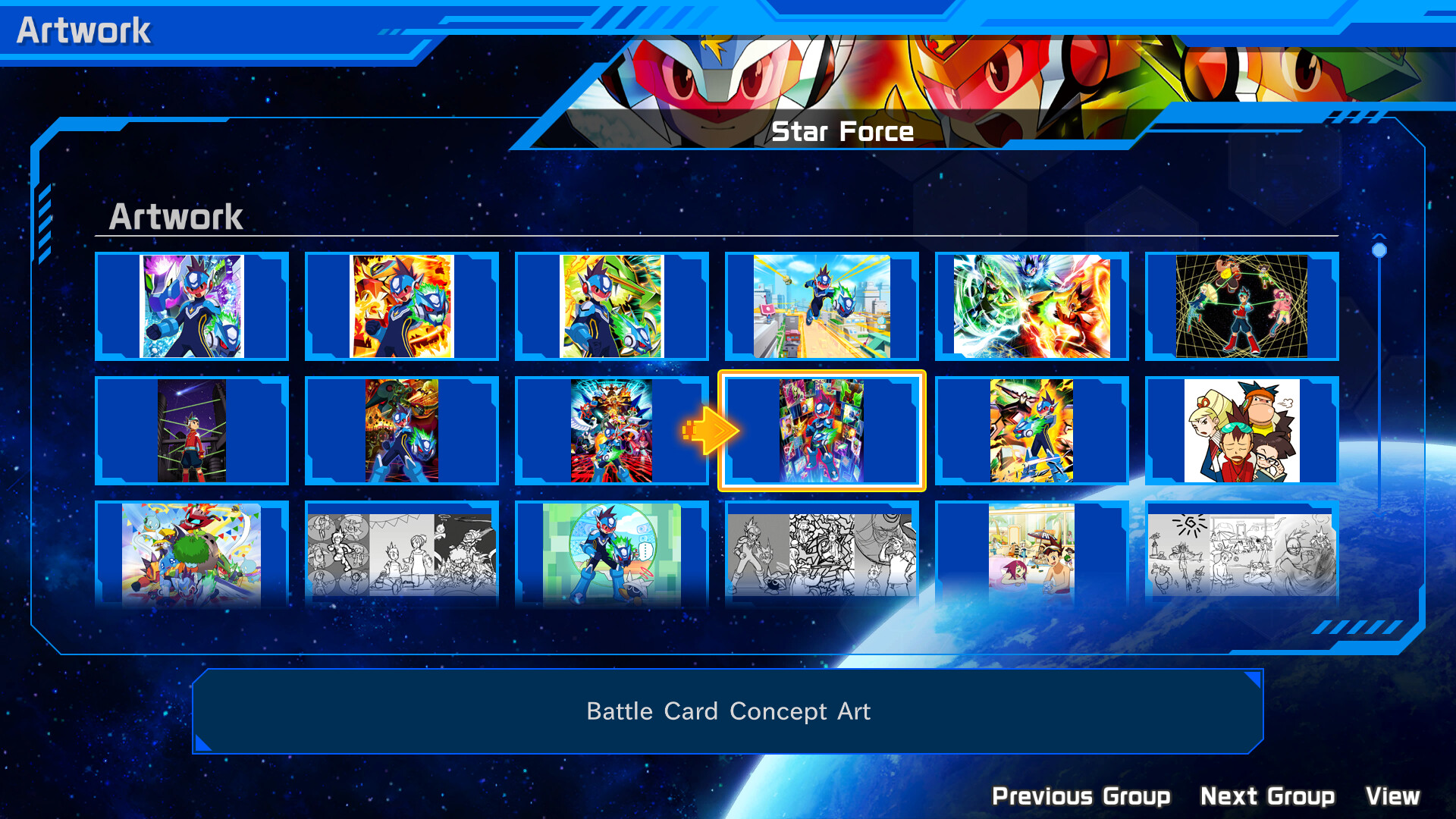
The Final Breakdown
This isn’t a miraculous modern reinvention. It’s a hyper-specific nostalgia injection wrapped in a competent, slightly annoying emulator shell. It preserves a weird, experimental era of handheld gaming exactly as it was. Warts, random encounters, and all.
- Narrative (6/10) It’s a Saturday morning anime from 2006. The writing is incredibly cheesy, but Geo’s arc from a depressed kid to a literal wave-riding hero has some genuine heart if you can stomach the tropes.
- Gameplay Mechanics (8/10) The 3×1 grid combat is still a wildly unique blend of action and deck-building. The inclusion of the encounter rate slider single-handedly fixes the pacing issues of the original hardware releases.
- Audio (9/10) Absolute bangers from start to finish. The newly arranged soundtrack options elevate the boss fights to a completely different level.
- Graphics (5/10) The original sprite work is charming. However, the forced screen layouts are clunky. The smoothing filter is an active crime against digital art.
- Overall Score (7/10)
ID Card
- Developer: Capcom
- Publisher: Capcom
- Engine: Proprietary Capcom Emulator (MT Framework derivative)
- Platforms: PC, PS4, Switch
- Genre: Action RPG / Card Battler
 Dev & Play Media
Leave a comment