
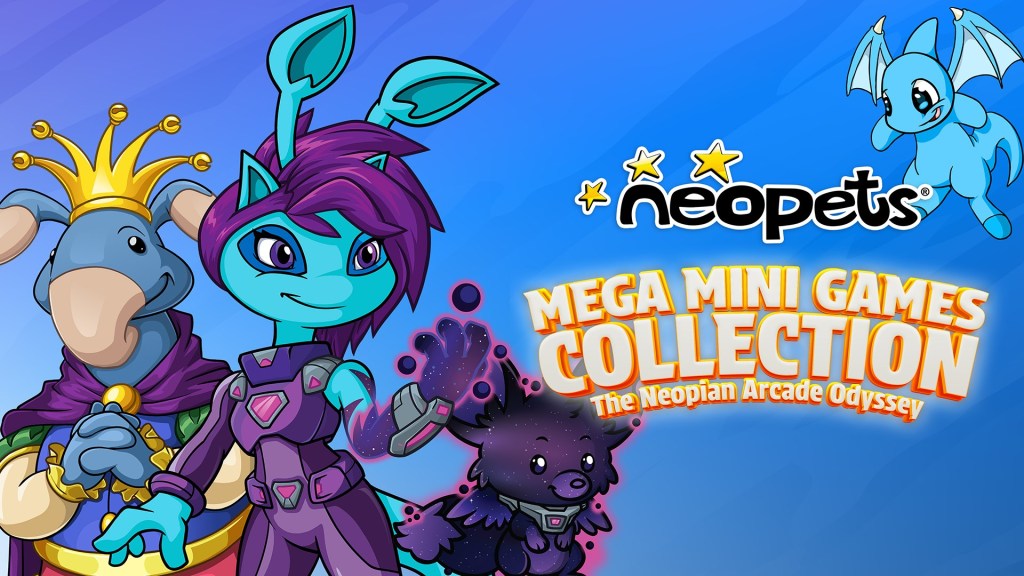
Let’s get one thing straight right out of the gate. You aren’t buying this because you want a mechanically tight, highly refined arcade experience. You are buying it because you’re chasing the dragon of 2004. You want to remember what it felt like to rush home from middle school, fire up the family desktop, and feed a starving virtual Lupe. But booting up The Mega Mini Games Collection doesn’t feel like a warm homecoming. It feels like visiting your childhood bedroom after your parents converted it into a sterile home office. The paint is fresh, but the magic is dead.
Core Mechanics:
- Navigate a central hub UI to boot up 26 individual, isolated 2D minigames.
- Chase high scores in strictly closed-loop, single-screen arcade challenges.
- Link an external NeoPass account to manually sync local leaderboards with the web database.
What Exactly Are We Doing Here?
The PR sheet aggressively promises “silky-smooth 60 FPS gameplay” and a “curated library.” Translation? You are playing 26 ancient browser games completely stripped of their original context.
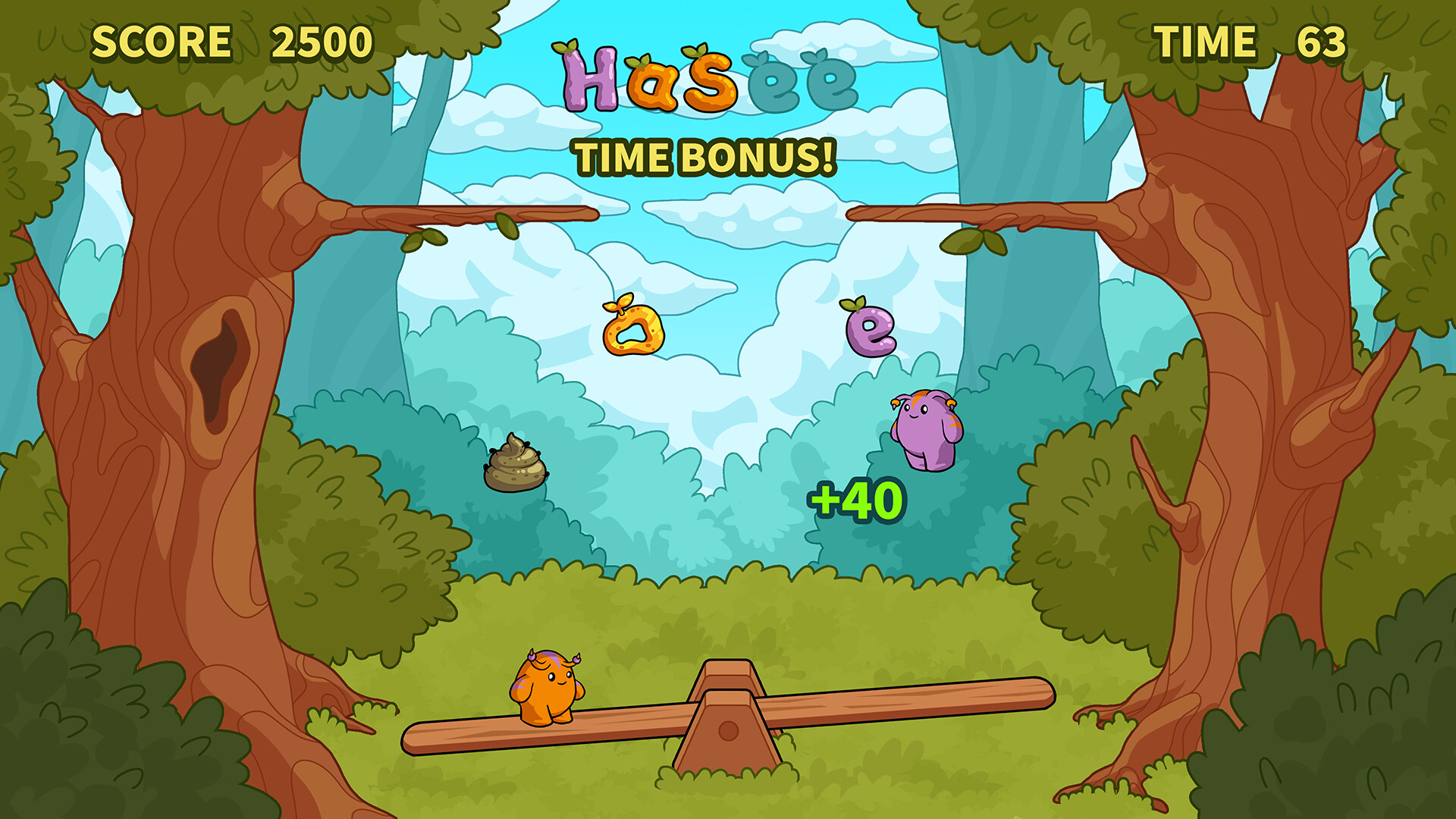
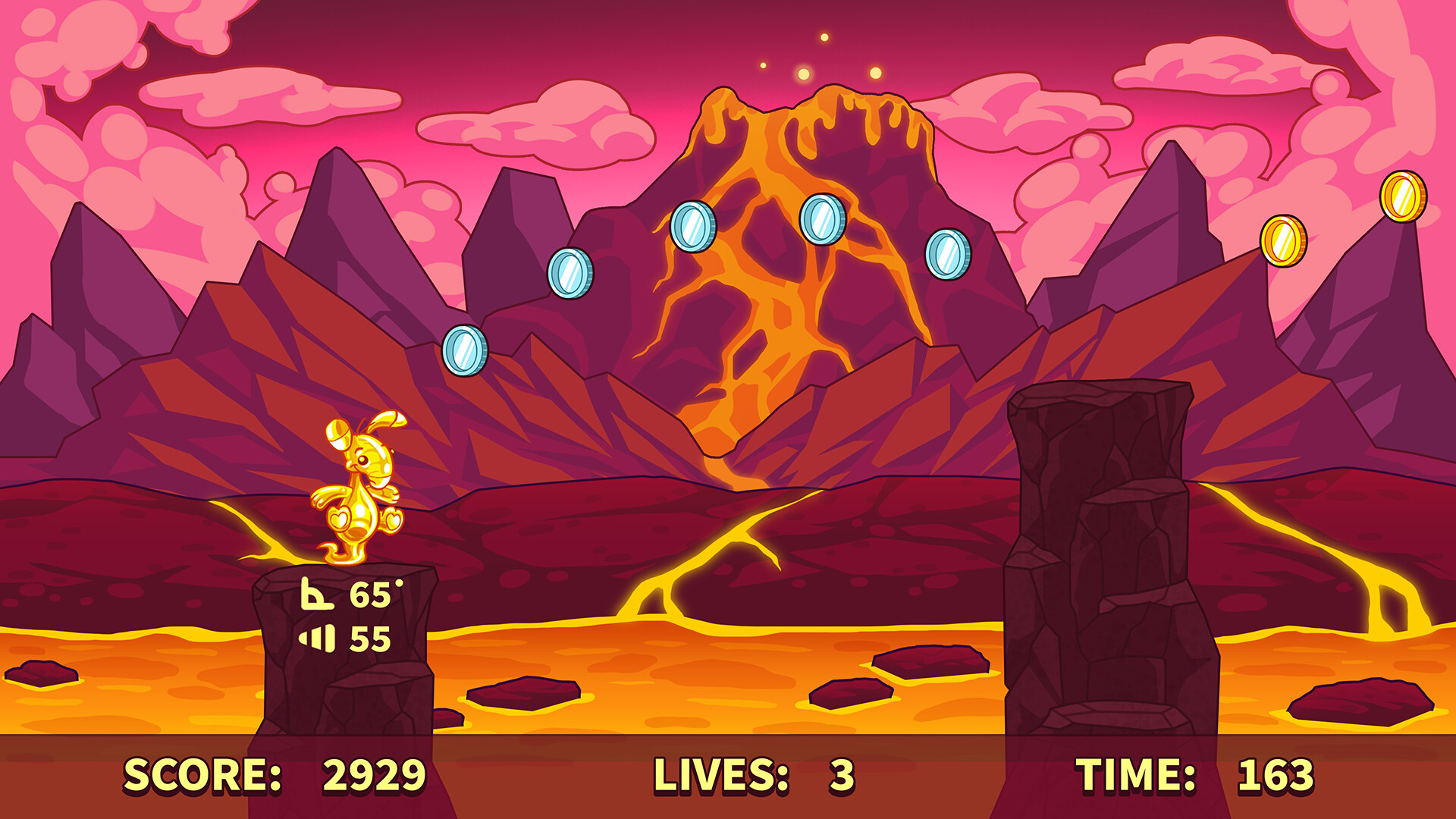
The core loop is violently simple. You pick a title from a menu. You hit a single button to swing a bat in Kass Basher. You run back and forth to collect fruit in Hasee Bounce. Widescreen support is here. Sure. But stretching Meerca Chase to fit a 16:9 monitor doesn’t miraculously turn it into a better snake clone. It just makes the empty dead space on your screen painfully obvious.
You will quickly realize something depressing. Without the promise of earning digital Neopoints to buy a shiny Paint Brush on the main website, the actual moment-to-moment mechanics are paper-thin. The addition of “Arcade, Challenge, or Endless” modes is a transparent attempt to slap a modern progression system over games originally designed to be played in three-minute bursts during computer lab. The friction here isn’t in the difficulty. It’s fighting the creeping realization that these games were never actually that good. They were just free.
There’s also a brand new rhythm game starring Nyx. It exists. It’s fine. Completely disposable. But fine.
The Architects
To understand how we ended up with this package, you have to look at the messy corporate ping-pong of the Neopets IP. Passed around from Viacom to JumpStart to NetDragon over the years, the franchise survived by the skin of its teeth through the industry-wide execution of Adobe Flash.
The current standalone team holding the reins needed a cash injection. Thus, we get a compilation. They wrapped these legacy assets in a modern engine to get them running on today’s hardware. The baggage they carry is heavy. For a crew that has spent the last decade desperately trying to keep a spaghetti-code website from entirely collapsing in on itself, porting twenty-six dead web games to Steam is a massive leap. And frankly, it shows. They are the only people legally allowed to make this. But from a purely technical standpoint, they were ill-equipped to pull off a flawless retro revival.
The Technical Reality (What the Ground Truth Is)
Forget the “restored with care” marketing bullet point. The ground truth on PC is a mixed bag of bizarre technical quirks.
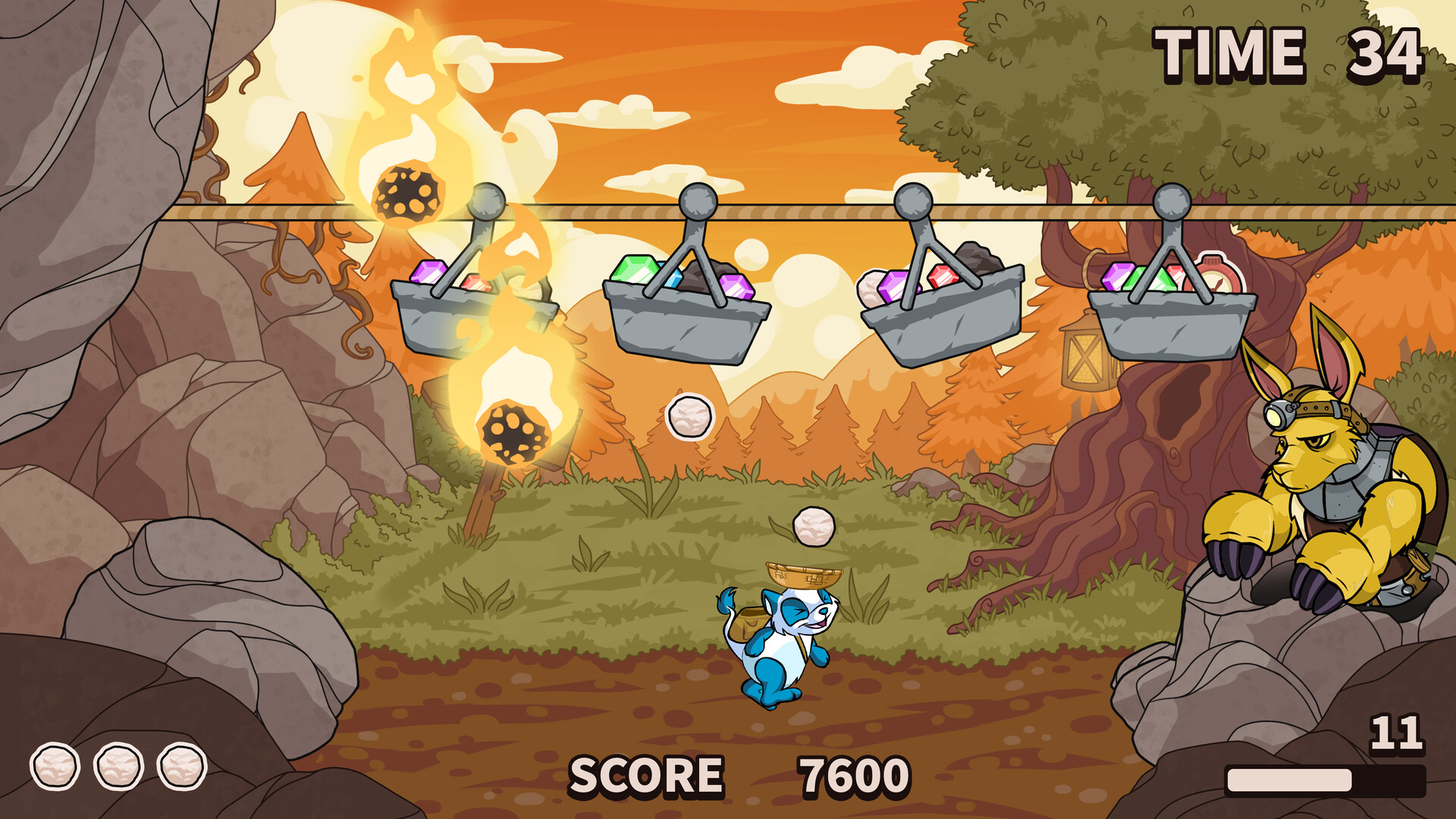
How does a 2D game from two decades ago stutter on a modern GPU? I have no idea. But it does. At launch, the controller mapping was completely atrocious. Playing Hasee Bounce with a thumbstick felt like trying to steer a rusted shopping cart through wet cement. They’ve since pushed a massive patch (Version 1.03) that fixed the deadzone issues. It also cured a weird memory leak that was hard-crashing Steam Decks after an hour of Destruct-O-Match.
The heavily touted NeoPass integration—which is supposed to link your local high scores to the website—works exactly half the time. When it fails, it hangs on a loading screen indefinitely. You have to hard reboot the game. Infuriating. Four of these titles now have local multiplayer. It is functional. But trying to get the clunky main menu UI to recognize two separate controllers is a puzzle game in itself.
The Final Breakdown
You can’t buy back your childhood for thirty bucks, and this collection is the hard proof. It functions as an occasionally frustrating museum exhibit of internet history, but stripping the games away from the web economy exposes just how shallow they always were.
Narrative (2/10) There is zero story to be found here, save for the newly tacked-on Nyx musical quest. That specific mode has all the narrative depth of a cereal box maze.
Gameplay Mechanics (4/10) Stripped of the overarching MMO economy, these are highly repetitive, mobile-tier distractions. Widescreen support and 60 FPS cannot fix fundamental mechanical shallowness.
Audio (6/10) The compressed, MIDI-era tracks have a weirdly authentic charm. It sounds exactly like you remember through cheap desktop speakers, for better or worse.
Graphics (5/10) The vector art actually scales quite cleanly to modern resolutions. However, the UI is an absolute mess of mismatched fonts and poorly utilized screen real estate.
Overall Score (4.2/10) A harsh, clunky dose of reality for nostalgia junkies.
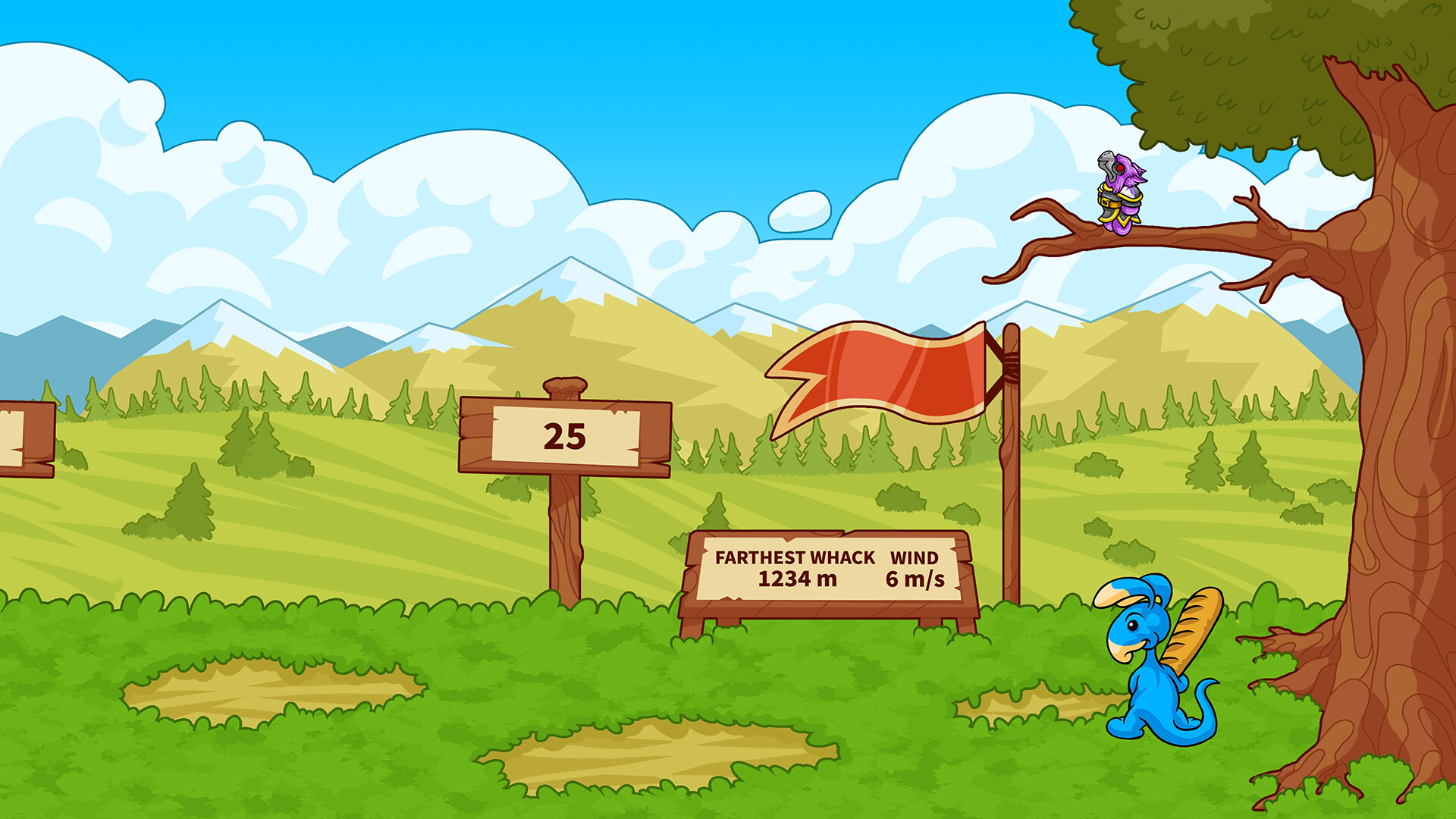
So, be honest with me. Are you actually going to sit on your couch and play Kass Basher for more than forty-five minutes, or are you just throwing money at a memory? Let me know below.
ID Card:
- Developer: World of Neopia, Inc.
- Publisher: World of Neopia, Inc.
- Engine: Proprietary wrapper (Unity-based)
- Platforms: PC (Steam), Steam Deck
- Release Date: Q4 2024
- Genre: Arcade Compilation
Trivia:
- All 26 included games originally ran on Adobe Flash or Shockwave before being forcibly retired from browsers in 2020.
- The “Starlight” rhythm mode was built from scratch specifically for this release, utilizing unused character art from a canceled 2008 mobile spin-off.
- Version 1.03 was rushed out post-launch strictly to address a severe memory leak that caused hard crashes on SteamOS.
 Dev & Play Media
Leave a comment